Your choice of coffee maker shapes your entire morning experience, determining not just the flavor in your cup but also how much time and attention your coffee routine demands. The sheer variety of brewing methods—from simple drip machines to sophisticated pour-over systems—can overwhelm anyone trying to upgrade their home coffee setup. Each approach offers distinct advantages in convenience, flavor control, batch size, and learning curve. Understanding how different brewing technologies extract coffee helps you identify which method aligns with your priorities, whether that means pushing a button and walking away or engaging in a deliberate, hands-on ritual that produces nuanced, cafe-quality results. The right coffee maker becomes an invisible part of your morning rather than a source of frustration or compromise.
Drip Coffee Makers and Automatic Brewing
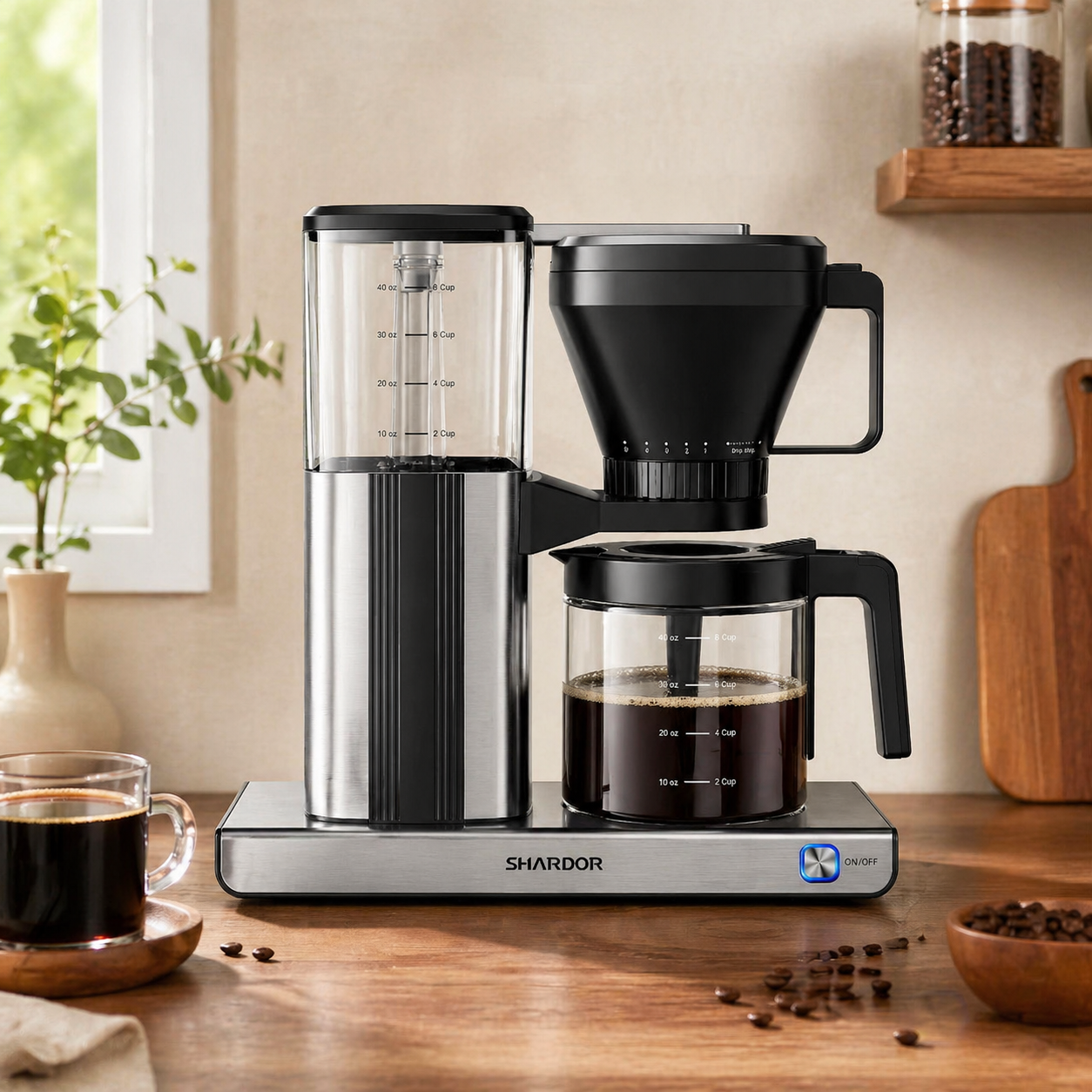
Automatic drip coffee makers dominate home kitchens because they reliably produce decent coffee with minimal effort or skill. These machines heat water to brewing temperature, then drip it over ground coffee held in a paper or permanent filter. Gravity pulls the extracted coffee through the filter into a carafe below, where a warming plate maintains temperature until you’re ready to pour. The entire process happens automatically after you add water and grounds, making drip makers ideal for busy mornings or households where multiple people need coffee throughout the morning.
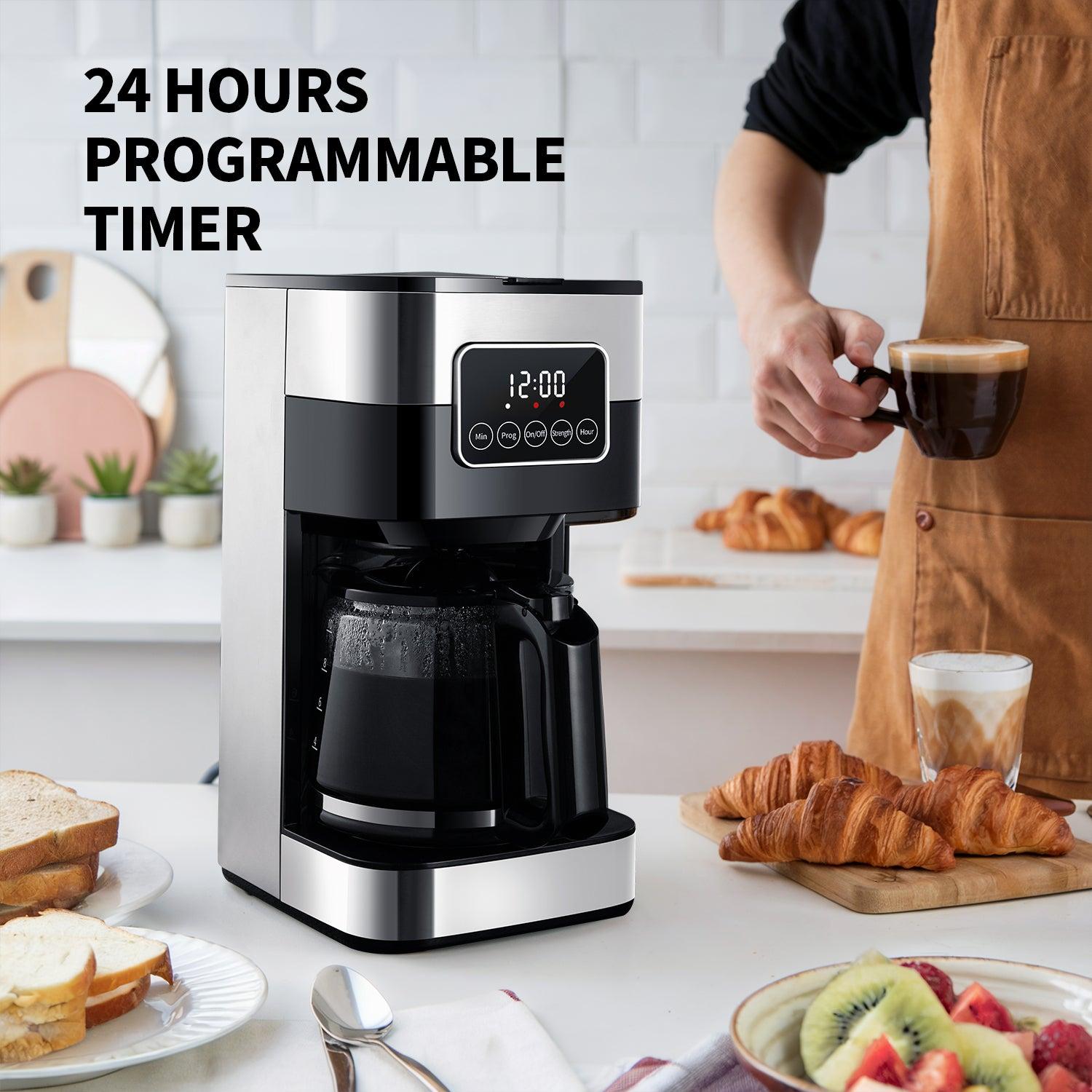
Quality varies dramatically across the drip maker category. Budget models often fail to heat water adequately, producing weak, under-extracted coffee regardless of bean quality or grind. They may also lack shower head designs that evenly distribute water over the grounds, causing channeling where water flows through the path of least resistance rather than saturating all the coffee. A capable coffee maker heats water to 195-205 degrees Fahrenheit and features a shower head that ensures even saturation, producing balanced extraction comparable to manual pour-over methods. Programmable features let you set brew times in advance, waking to fresh coffee without manual intervention.
Single-Serve Pod Systems and Convenience
Pod-based coffee makers sacrifice some flavor quality and environmental friendliness for unmatched convenience and variety. These systems puncture sealed capsules containing pre-ground, pre-measured coffee, forcing hot water through the grounds at pressure to extract a single cup in under a minute. The appeal lies in zero cleanup, zero measuring, and the ability to brew different drinks back-to-back without washing components between uses. For offices, guest rooms, or individuals who drink one cup daily, pod systems eliminate waste and simplify the process to a single button press.
The main drawbacks center on cost per cup and environmental impact. Pre-packaged pods cost significantly more per serving than buying whole beans or ground coffee in bulk, often doubling or tripling your per-cup expense. While manufacturers have introduced recyclable and compostable pod options, most pods still generate unnecessary packaging waste compared to traditional brewing methods. Coffee quality also suffers from pre-ground beans sealed weeks or months before brewing, as volatile aromatics escape over time. If you value convenience above all else and budget concerns don’t constrain you, pod systems deliver on their promise—just recognize the trade-offs you’re accepting.
Cold Brew and Concentrated Coffee
Cold brew coffee makers use time rather than heat to extract coffee, steeping coarsely ground beans in room temperature or cold water for twelve to twenty-four hours. This extended extraction produces concentrated coffee with low acidity and smooth, mellow flavors that differ dramatically from hot-brewed coffee. The concentrate dilutes with water, milk, or ice to drinking strength, creating a base that keeps refrigerated for up to two weeks. This batch preparation approach means you invest time once, then enjoy quick, ready-to-drink coffee throughout the week.
Dedicated cold brew makers typically consist of a container, filter basket, and lid—simple components that require no electricity or technical knowledge. You add coffee to the filter basket, pour in cold water, then wait while extraction happens passively. After steeping completes, you remove the filter basket and discard the grounds, leaving behind concentrated brew ready for dilution. The low acid profile makes cold brew gentler on sensitive stomachs, while the concentrated format offers flexibility in serving sizes and preparations. SHARDOR cold brew systems feature fine-mesh filters that prevent sediment while allowing oils and flavors to pass through, producing clean concentrate without paper filter interference.
French Press and Immersion Brewing
French press brewing immerses coarse coffee grounds directly in hot water for several minutes before separating them with a mesh plunger. This full-immersion method extracts robust, full-bodied coffee with more texture and oils than paper-filtered methods, as the metal mesh allows coffee oils and fine particles to pass into the cup. The process demands attention to grind size—too fine and you’ll get bitter, gritty coffee, too coarse and extraction falls short. When dialed in correctly, French press produces rich, complex coffee that highlights bean characteristics often muted by paper filtration.
The main considerations with French press involve grind consistency and brew timing. A quality burr grinder that produces uniform coarse grounds makes a substantial difference, as uneven particles lead to simultaneous over and under-extraction. Water temperature matters—boiling water scalds coffee, while water below 195 degrees under-extracts. Most users let boiled water rest thirty seconds before pouring over grounds. Steep time typically runs four minutes, though you can adjust based on taste preference. Plunge slowly to separate grounds from brewed coffee, then pour immediately to prevent continued extraction. The lack of automatic heating means coffee cools relatively quickly, making French press best suited for drinking shortly after brewing.
Pour-Over Methods and Manual Control
Manual pour-over brewing gives you direct control over every variable, rewarding careful technique with exceptionally clean, nuanced coffee. These methods use cone-shaped drippers with paper filters, relying on your pouring technique to saturate grounds evenly and maintain ideal extraction time. The ritual of heating water, weighing coffee, and slowly pouring in circular motions appeals to enthusiasts who find value in the process itself rather than viewing coffee preparation as a chore to automate.
Different pour-over drippers offer distinct characteristics. Cone-shaped drippers with large single holes drain quickly, requiring faster pouring to maintain contact time and producing cleaner, brighter flavors. Flat-bottom drippers with multiple small holes drain more slowly, creating a fuller body and more forgiving timing. Regardless of dripper style, the key to success lies in even saturation—pouring slowly in concentric circles from center to edge, avoiding the outer walls where water can channel past coffee without extracting. The entire process takes three to four minutes for a single cup, making pour-over impractical for serving multiple people simultaneously but perfect for a deliberate, meditative morning routine.
Thermal Carafes Versus Glass Carafes
The carafe type affects not just heat retention but also coffee flavor over time. Traditional glass carafes sit on electric warming plates that maintain temperature through constant heating. This approach works but gradually degrades coffee flavor as continued heat exposure causes additional extraction of bitter compounds from any fine particles remaining in the brewed coffee. After thirty minutes on a warming plate, coffee develops an unmistakable burnt, stale taste that no amount of fresh beans can prevent.
Thermal carafes use vacuum insulation to maintain temperature without electricity, keeping coffee hot for hours without degrading flavor. These sealed carafes eliminate warming plate issues entirely, preserving the coffee’s flavor profile as it was immediately after brewing. The main trade-off involves reduced visibility—you cannot see how much coffee remains without opening the lid and breaking the seal. Thermal carafes also cost more and require more careful handling, as drops can compromise the vacuum seal. For anyone who sips coffee over an extended morning rather than drinking a full pot immediately, thermal carafes deliver objectively better results.
Aligning Brewing Method with Your Lifestyle
The best coffee maker balances your flavor expectations against your available time, skill level, and tolerance for routine maintenance. Automatic drip makers suit households where convenience and batch brewing matter most, while manual methods reward enthusiasts willing to invest attention for superior results. Consider your actual morning routine honestly—will you realistically weigh beans and perform a careful pour-over when running late, or will that manual dripper gather dust while you grab drive-through coffee instead? Equipment that fits seamlessly into your existing habits gets used consistently, while gear that demands changed behavior often disappoints regardless of its potential. Match your coffee maker to your real life rather than an aspirational version, and you’ll enjoy better coffee by virtue of actually brewing it regularly.
