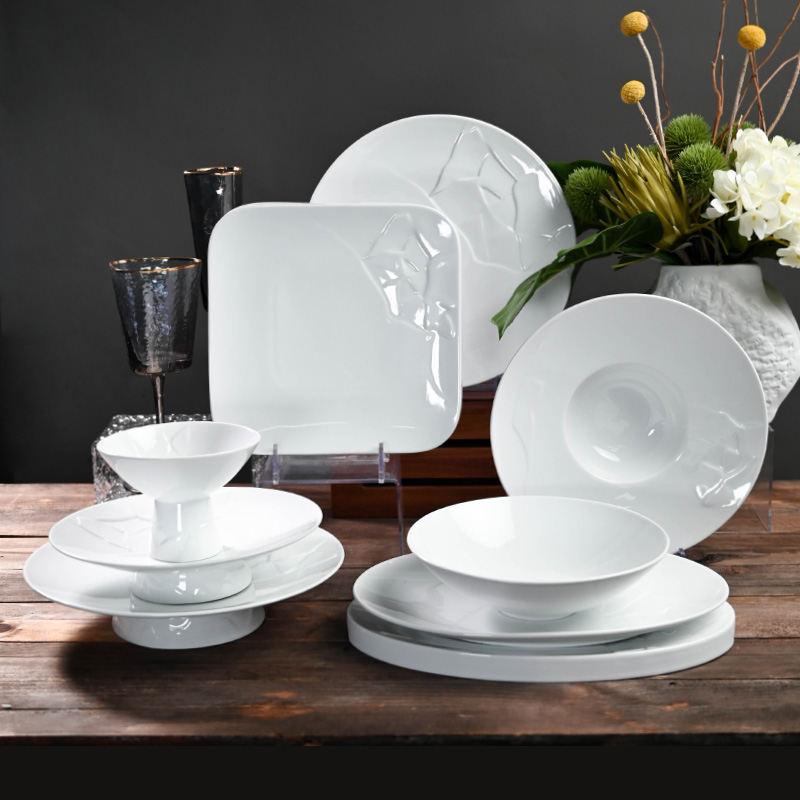
Brand identity is often discussed through logos, packaging, typography, and interior design. These elements certainly matter, but they are only part of the experience. In hospitality, retail, and food-focused spaces, customers also interact with cups, plates, bowls, and serving pieces. These everyday objects can quietly communicate the personality of a concept in ways that printed materials cannot.
A carefully chosen plate can make a meal feel more refined. A handmade mug can create warmth and familiarity. Even the shape of a bowl can affect how food is presented and how the customer experiences it. The growing interest in pieces made at Black Oak Art reflects how custom tableware can connect visual identity with physical interaction.
Identity Should Be Felt, Not Just Seen
A strong visual identity should continue beyond the entrance, menu, or product label. It should appear in the details customers notice throughout their visit.
Tableware plays a particularly important role because it is handled directly. Customers lift cups, move plates, share serving dishes, and often photograph what is placed in front of them. The texture, weight, color, and shape of each object contribute to the overall impression.
Generic tableware can perform its basic function well, but it rarely adds much personality. Custom pieces can support a specific mood. Rounded forms may feel relaxed and welcoming, while sharper lines can create a more modern or structured appearance. Deep, earthy tones might suggest comfort and simplicity, while brighter glazes can make the experience feel playful and energetic.
The goal is not to make every item visually dramatic. In many cases, the strongest designs are subtle. They feel connected to the space without demanding attention.
Shape Can Change the Entire Presentation
The proportions of a plate or bowl affect more than appearance. They influence portioning, arrangement, movement, and even how the customer approaches the food.
A wide plate creates space for detailed presentation. A deeper bowl can make a dish feel more generous and comforting. A tall mug may feel casual and familiar, while a smaller cup can suggest a slower, more intentional experience.
Custom tableware allows these choices to be made deliberately. Instead of selecting from a limited group of standard forms, designers can consider how each piece supports the product being served.
This can also improve consistency. When tableware is created with a specific use in mind, portions can be presented more evenly, and staff members have a clearer framework for plating and serving. The result is an experience that feels more thoughtful, even when customers cannot immediately explain why.
Color and Glaze Set the Mood
Color is one of the fastest ways to communicate personality. Tableware can repeat colors already found in the interior, packaging, or visual materials, but exact matching is not always necessary.
A glaze can support the wider identity through tone and texture. Matte finishes often feel natural and understated. Glossy surfaces can appear polished and clean. Slight variations in a handmade glaze may add character without making the collection feel inconsistent.
Contrast can also be useful. Light food may stand out more clearly against a darker surface, while colorful dishes can look more striking on neutral plates. These decisions should consider both visual identity and practical presentation.
Custom glazing also makes it possible to create a recognizable visual language. A particular finish or color combination may eventually become strongly associated with the experience, even when no logo is visible.
Logos Work Best When They Stay Subtle
Adding a logo to tableware can reinforce recognition, but it should not overwhelm the object itself. Large or highly visible marks may make a piece feel more promotional than considered.
A small symbol on the base of a mug, a discreet mark near the rim, or an embossed detail can create a stronger impression. Customers may notice it gradually rather than feeling that the identity is being pushed toward them.
Subtle branding also makes tableware more appealing in photographs. The mark remains present, but the food, drink, and overall setting continue to be the focus.
Fun fact: People often remember the feel and weight of a favorite cup even when they cannot clearly describe its design. Physical interaction can create a stronger memory than a visual detail alone.
Custom Does Not Mean Inconsistent
One concern about handmade or custom tableware is that individual pieces may vary. Small differences can actually be part of the appeal, but they still need to exist within a controlled design system.
Consistency can be maintained through repeated dimensions, glaze families, shared proportions, and similar surface finishes. The pieces do not need to be identical to feel like part of the same collection.
This balance is important. Too much uniformity can remove the human character that makes custom work interesting. Too much variation can make a table setting feel disorganized. Good design allows individuality without losing coherence.
Durability must also remain a priority. Tableware used regularly needs to withstand washing, handling, stacking, heating, and repeated service. A beautiful object that is difficult to use will eventually create more frustration than value.
The Table Is Part of the Story
Customers do not experience identity one element at a time. They see the room, handle the menu, notice the presentation, taste the food, and interact with the objects around them. All of these details combine into a single impression.
Custom tableware helps connect these layers. It can reflect the colors of the interior, support the style of presentation, reinforce the mood, and add a sense of care to everyday service.
It also gives creators more control over how their work is experienced. Instead of placing a carefully prepared product on an unrelated surface, they can design the object and the presentation as one complete idea.
Small Objects Can Carry Big Meaning
The most memorable identities are often built through repetition. A particular shape, texture, glaze, or serving style becomes familiar over time.
Custom tableware supports this consistency without relying on obvious advertising. It turns functional objects into part of the wider creative direction.
A cup remains a cup, and a plate still needs to perform its practical role. Yet when these pieces are designed with purpose, they can communicate warmth, quality, playfulness, elegance, or simplicity before a single word is spoken.
That is why custom tableware is becoming more than a decorative choice. It is becoming a physical expression of identity, one that customers can see, touch, use, and remember.
