Choosing seating for a living room used to be simple: a sofa, maybe an armchair, and perhaps an ottoman if you wanted to stretch out. That equation has changed. Today, most shoppers weighing a serious upgrade end up in the same debate, torn between the classic mechanical lever and the smooth glide of a motorized backrest. The comparison is more than mechanical, though. It touches on daily habits, room layout, physical needs, and long-term value. Before spending on a new seat that will hold you through movie nights, late-night reading, and slow Sunday mornings, it helps to understand where each option shines and where it falls short. This guide walks through the real differences between manual and power reclining models so you can settle the debate on your own terms.
The Old Lever Charm Meets the Quiet Motor
A manual recliner uses a simple mechanism: pull a lever or push against the seatback, and gravity plus a spring-loaded frame does the rest. It is a design refined over decades, appreciated for its independence from electricity and its no-fuss maintenance. A power model, on the other hand, uses an internal motor triggered by a button or touchpad, gliding the footrest and backrest into position with almost no effort from the user. The core experience is different from the first moment you sit down. Manual versions feel active, physical, and predictable. Powered versions feel effortless, almost weightless, and offer far more incremental control over the angle you settle into.
The two categories share a family resemblance but diverge sharply once you look at the small details. Someone who values a tactile experience and rarely needs to fine-tune their position may prefer a manual seat. Someone who reads, works, or watches late into the night, and wants to shift from upright to half-reclined without moving a muscle, will notice the difference immediately when they sit in a well-built recliner chair with a motorized base. This first split, comfort versus convenience, tends to shape almost every other decision that follows.
Comfort in Motion: How Each Type Really Feels
Manual recliners typically move between three or four fixed positions. You get upright, slightly leaned, and fully reclined, with the footrest either up or down. That structure is intuitive but limiting. If you want to sit at a shallow tilt with your feet only halfway up, you may have to compromise. Power recliners solve this by making the tilt continuous rather than stepped. You stop the motion at exactly the angle that suits your back, hips, or knees at that moment. For anyone recovering from surgery, dealing with lower back stiffness, or nursing a newborn, this flexibility is not a luxury but a practical need.
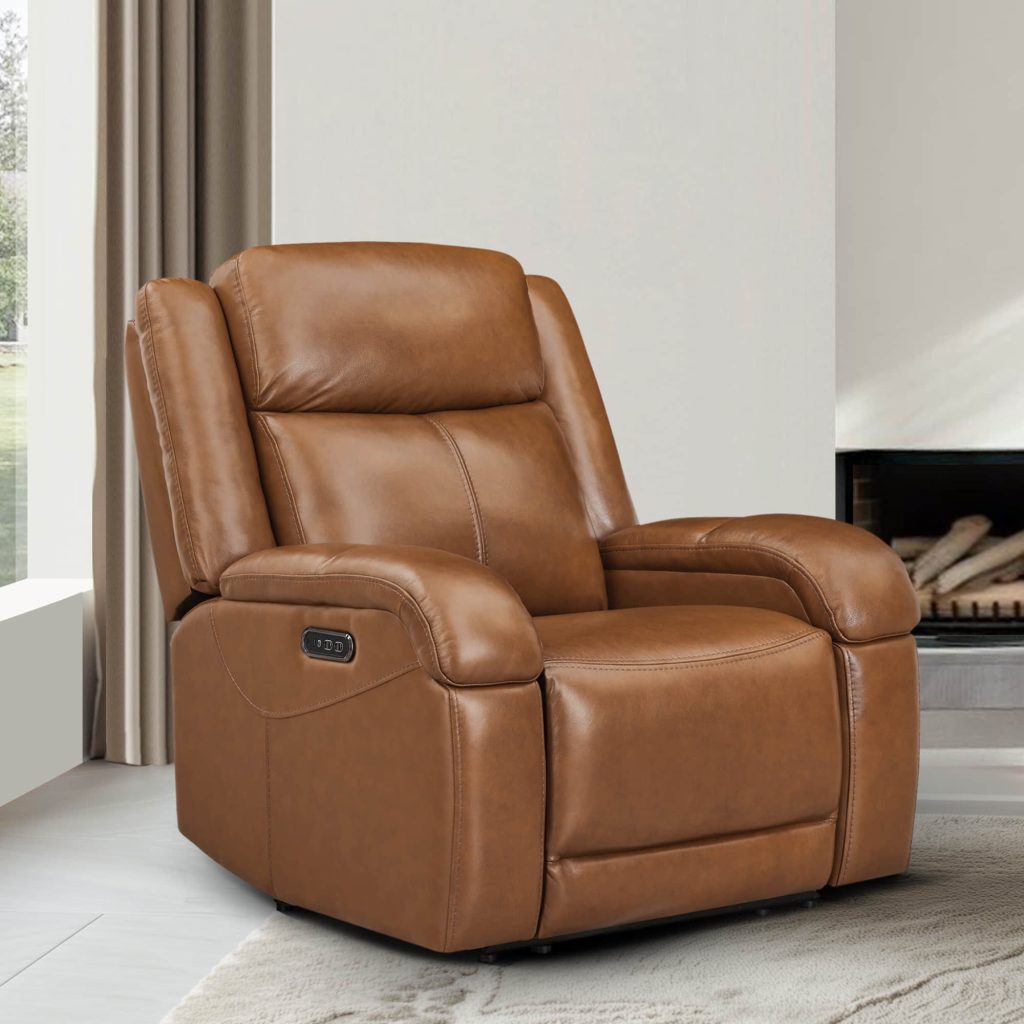
There is also the matter of physical effort. Reclining a well-tuned manual chair requires pushing back against the seat with the strength of your legs and lower core. Most healthy adults do this without thinking. But for older users, people with joint pain, or anyone shorter and lighter in build, the effort can become genuinely uncomfortable over time. Power models remove that friction entirely. Pressing a button feels closer to adjusting a car seat than wrestling with furniture, which is often the deciding factor for households with mixed needs.
Living With Cables, Batteries, and Wall Space
The trade-off for that motorized ease is a set of practical considerations that manual owners rarely think about. A power recliner needs electricity. Most models come with a standard cord that plugs into a wall outlet, though many newer ones offer built-in rechargeable battery packs that let you place the chair anywhere in the room without a nearby socket. Battery capacity generally lasts weeks between charges with normal use, so this is less of a limitation than it sounds. Still, it is a variable to plan around.
Room layout matters too. Traditional manual designs need extra clearance behind the backrest because the seat tilts backward as the footrest extends. Wall-hugger power models sidestep this problem entirely, gliding forward on rails so the back never comes close to whatever is behind them. If your seating spot is tight against a bookshelf or window, this single feature can determine whether a chair fits at all. Manual designs occasionally offer wall-hugger geometry, but the option is far more common in the powered category.
Longevity, Repairs, and the Value Question
A frequent worry about power recliners is what happens if the motor fails. It is a fair concern, though modern motors from reputable manufacturers are surprisingly robust, often outlasting the upholstery itself. Replacement motors are typically modular and can be swapped without dismantling the entire chair. Manual recliners have fewer moving parts, which does mean fewer potential failure points, but springs, cables, and levers still wear out with heavy use. Both types can last a decade or more when built well and treated reasonably. The bigger question is upholstery quality, frame construction, and cushion density, all of which affect long-term satisfaction more than the reclining mechanism itself.
Price is another factor that shifts the calculation. Power models generally cost more than their manual equivalents from the same maker, sometimes noticeably so. The gap has narrowed in recent years as motorized components became cheaper to produce, but it remains real. Buyers deciding between the two should weigh how often they will actually use the reclining feature. A living room chair used every evening justifies the investment. A guest room seat used a few times a year probably does not.
Small Features That Change the Everyday Experience
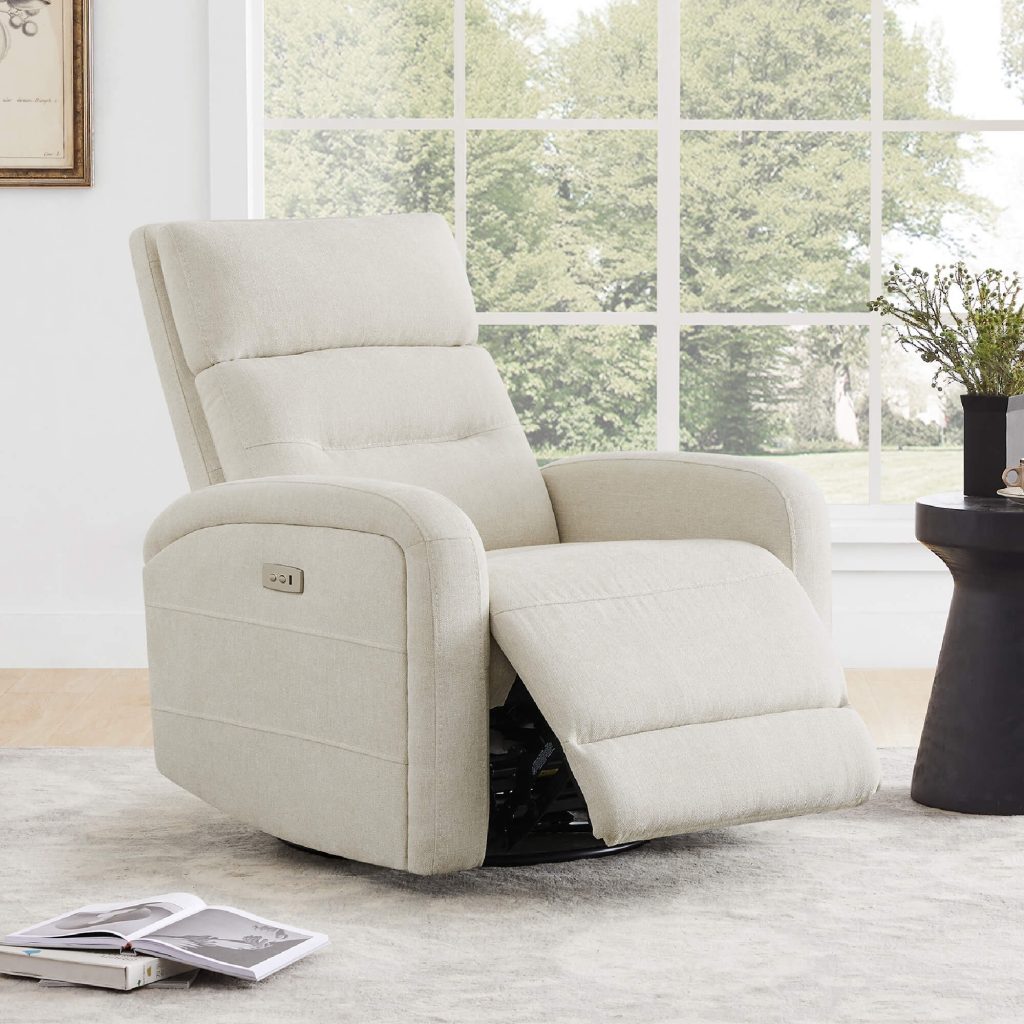
Beyond the core lever-versus-motor divide, several optional features tilt the choice further. Adjustable headrests, lumbar support that inflates or shifts electronically, USB charging ports, hidden storage compartments in the arms, and swivel-glider bases are far easier to integrate into a powered design. A manual chair can offer swiveling, gliding, or lumbar cushioning, but electric adjustment for each independent zone requires a motor. If you are the sort of person who likes to fine-tune your seat the way you fine-tune a car, power is the clear direction.
For families with multiple users, the case for power grows stronger. Every person who sits in the chair can find their own ideal angle without a struggle. Manual chairs tend to encourage a single dominant position that everyone accepts, which works fine for households of one or two people with similar builds. Larger families or homes where different generations share the same seating space tend to appreciate the personalization that motors allow. Furniture makers such as CHITA LIVING have leaned into this by offering models that combine glider bases, swivel motion, and powered reclining in a single frame, letting the seat adapt to each user rather than the other way around.
Choosing Based on Habits, Not Hype
Marketing often frames the power option as strictly superior, but that is not the honest answer for every household. If you live in a smaller space with limited outlets, if you prefer furniture that works during a power outage, or if you simply enjoy the physical act of leaning back and feeling the mechanism engage, a manual model has real advantages. If you value quiet, effortless motion, you use the chair multiple hours a day, or you share it with someone who has mobility challenges, the powered version is almost always the better fit.
The best way to decide is not to compare specification sheets but to test both in person, if you can. Sit in each for at least a few minutes. Recline fully. Come back up. Try shifting to an in-between angle. Notice how your knees feel, how your lower back settles, whether the armrests are at a natural height. Comfort is intensely personal, and the difference between a good and a great chair often comes down to details that no online comparison can capture.
Room Design and the Look of Reclining Furniture
One lingering objection to reclining chairs of any kind is aesthetic. The old stereotype of a bulky brown leather recliner with visible levers and oversized armrests has kept many stylish shoppers away. That image is outdated. Contemporary designs prioritize clean lines, slimmer silhouettes, and upholstery in a wide range of fabrics and colors. Power models actually have an advantage here because they eliminate the need for external handles or side-mounted levers, letting the profile stay uninterrupted. Whether you lean modern, mid-century, transitional, or minimalist, there is now a reclining option that will not fight your existing decor.
Finding the Seat That Matches Your Life
The choice between manual and power reclining is less about which category is objectively better and more about which one suits the way you actually live. Consider how often you will use it, who else will sit in it, where it will go, and what kind of daily comfort you are chasing. Both types can deliver years of good service when the frame, cushioning, and craftsmanship are solid. Pay attention to those fundamentals first, then let your habits guide the final decision between a satisfying lever pull and the quiet hum of a motor. The right chair, whichever kind it turns out to be, should feel like the easiest choice you make all year.
