A leather sofa recliner is one of those purchases that looks simple from the outside and turns out to be surprisingly complicated once you start comparing options. Leather grades vary more than most shoppers realize, recline mechanisms work in very different ways, and a piece that fits one living room beautifully can feel wrong in another. Add in the fact that a good recliner is meant to last a decade or more, and the pressure to choose well becomes obvious.
This guide breaks the decision into the parts that actually matter: the leather itself, the mechanism, the fit against your walls and floors, and the small details that separate a chair you tolerate from one you use every single day. Instead of listing features to check off, it explains why each one matters and how to test it before you commit. By the end, you should be able to walk into a showroom, or read a product page, and know exactly what questions to ask.
Understanding Leather Before You Fall in Love With a Shape
Leather is the headline feature of any leather sofa recliner, and it is also where most buyers get confused. The word “leather” on a label covers a wide spectrum, from full-grain hides that develop a patina over decades to bonded leather that is essentially a leather-and-polymer composite. Knowing which one you are buying changes how the chair will age, how it feels against your skin, and how much maintenance it needs.
Full-Grain, Top-Grain, and Everything Below
Full-grain leather keeps the entire hide surface, including the natural grain and markings. It is the most durable and the most breathable, and it develops a soft sheen as it wears. Top-grain leather has been lightly sanded to remove imperfections, which makes it more uniform but slightly less breathable. Below that come corrected-grain and bonded leathers, which use coatings or composites to imitate the real thing. For a recliner that will be sat in daily, top-grain or full-grain is usually worth the extra cost because it resists cracking and peeling far better over time.
How Leather Feels and Ages
Real leather warms to your body and softens where you sit most, which is part of its appeal. It can also show scratches and scuffs, though many of these blend into the grain over time. Faux and bonded materials tend to peel at high-wear points after a few years. If you have pets or young children, consider a lightly protected or pigmented leather, which handles spills and claws more gracefully than a delicate aniline finish.
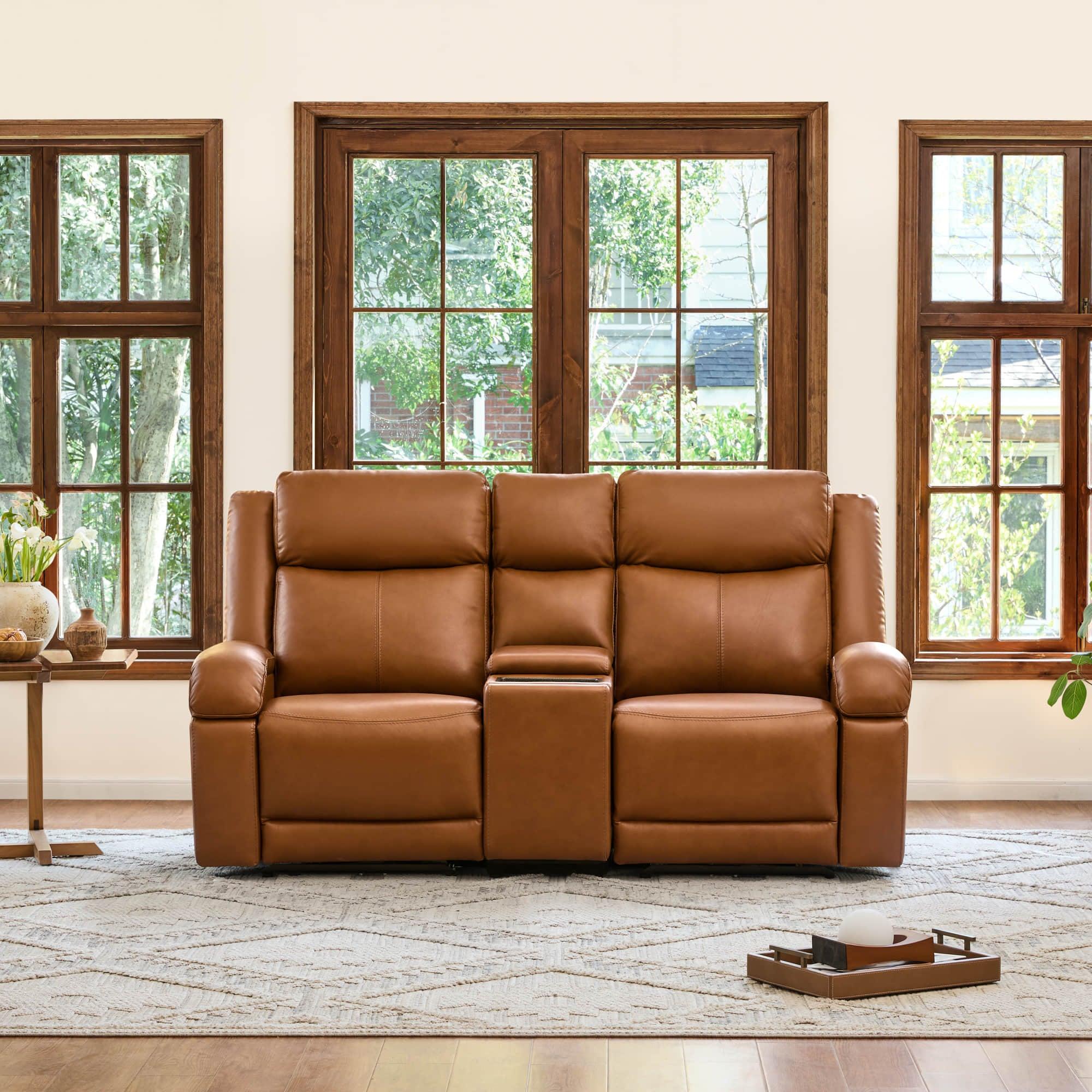
The Recline Mechanism Is the Real Engine
A recliner is a piece of furniture with moving parts, and the mechanism underneath determines how long it stays smooth. Most buyers focus on the seat and ignore the hardware, which is exactly backwards. A beautiful chair with a cheap mechanism will start to stick, squeak, or sag long before the leather shows any wear.
Manual, Power, and Wall-Hugger Designs
Manual recliners use a lever or a handle and rely on your body weight to move the footrest and backrest. They are simple, quiet, and require no power, but they demand more effort and offer less precise positioning. Power recliners use a motor to move the seat smoothly at the touch of a button, which is easier for anyone with limited mobility and allows finer adjustments. Wall-hugger designs slide the seat forward as the back reclines, so the chair can sit closer to a wall without needing clearance behind it. For small rooms, that last feature is often the deciding factor.
Testing Smoothness, Noise, and Durability
Open and close the recliner several times before you buy. The motion should be even, without a sudden drop at the end or a grinding sound mid-travel. Power models should move quietly and stop firmly at the end of their range. Ask about the motor’s warranty and how the mechanism is rated for weight and cycles. A recliner that is rated for daily use by a heavier adult will hold up better for everyone in the household.
Fitting the Chair to Your Room and Your Body
A recliner takes up more space in use than it does at rest, and that difference catches people off guard. The chair might fit the wall nicely when closed, then collide with a side table or block a walkway the moment it opens. Planning the movement, not just the footprint, prevents most of these problems.
Clearance, Placement, and Sightlines
Measure the distance the backrest travels when fully reclined and add a few inches of buffer. If the chair sits near a window, check that the raised back does not hit the sill. Place it so you can see the television and the doorway without twisting, and keep a side table within reach for drinks and remotes. A wall-hugger model can save a surprising amount of floor space in narrow living rooms, while a standard recliner may need a full foot of clearance behind it.
Seat Depth, Height, and Support
Sit down with your feet flat and your back against the cushion. The front edge of the seat should fall just behind your knees, and your feet should reach the floor comfortably. A seat that is too deep forces you to slide forward, which undermines the back support. Check the lumbar area as well; a recliner should support the lower back when upright, not only when fully reclined. If two people of very different heights will share the chair, look for adjustable headrests or a seat that suits the shorter sitter, since a tall person can usually adapt more easily than a short one.
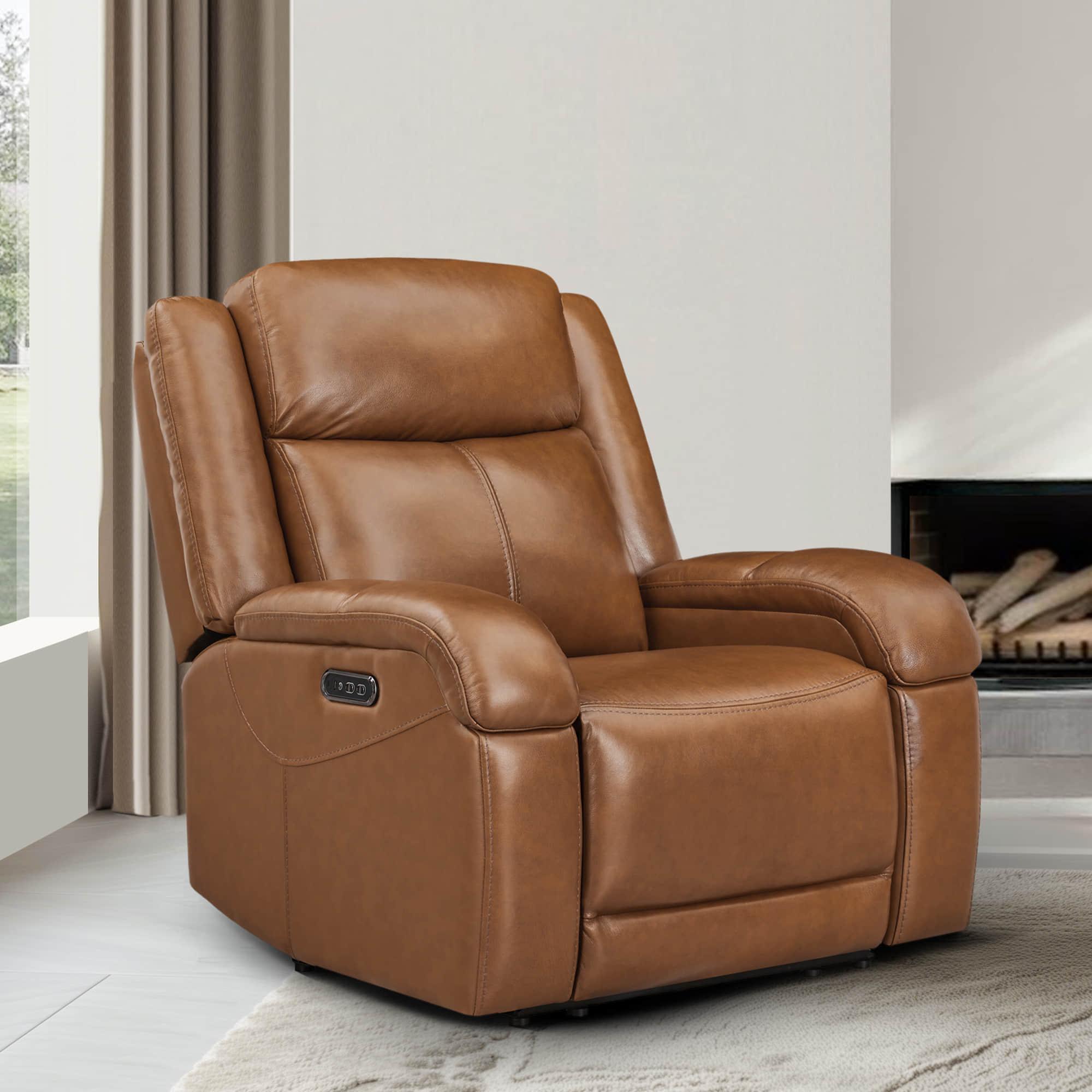
Details That Determine Long-Term Satisfaction
The difference between a recliner that feels great for a year and one that feels great for a decade usually comes down to a handful of details that are easy to overlook in the excitement of choosing a style.
Stitching, Cushioning, and Frame
Look closely at the stitching along the seams and stress points. Even, tight stitching signals careful construction, while loose or wavy lines often hint at shortcuts elsewhere. Press into the seat and back cushions to feel for a dense core rather than a thin layer of foam over springs. Ask about the frame material; kiln-dried hardwood and reinforced metal hold up far better than particleboard. These checks take a minute in a showroom and can save years of regret.
Power Features, Heat, and Massage
Some recliners add heated seats, massage functions, or USB charging ports. These can be genuinely useful, especially for anyone who spends long hours in the chair, but they also add complexity and potential points of failure. Decide which features you will actually use rather than paying for a long list of extras. If you do choose power features, confirm the warranty covers the electronics and that replacement parts are available.
A recliner is one of the few pieces of furniture that gets used as intensively as a bed, so it deserves the same level of scrutiny. Brands such as CHITA LIVING focus on the structural side of that equation, pairing genuine leather with reclining hardware built for daily operation. The goal is a chair that still feels solid and looks good after years of movie nights and afternoon naps.
Color, Wear, and the Long View
Leather color affects more than style. Darker tones hide everyday marks and pet scratches, while lighter tones show wear sooner and may need more frequent conditioning. A mid-tone brown or tan tends to age gracefully, developing a patina that reads as character rather than damage. If the chair sits near a window, choose a leather with some fade resistance, since direct sun can lighten the surface over years. Consider how the color will look beside the floor, the rug, and the other seating in the room before you commit to a swatch.
How to Break In Leather Comfortably
New leather feels firmer than it will after a few weeks of use, which surprises some buyers. Rather than judging the chair harshly on day one, give it time to soften at the contact points, especially the seat and the armrests. A leather conditioner applied lightly once or twice a year keeps the hide supple and helps it resist cracking. Avoid placing the chair in direct heat from a radiator or fireplace, which can dry the leather unevenly. With a little patience, the seat molds to your body and becomes noticeably more comfortable than it was in the showroom.
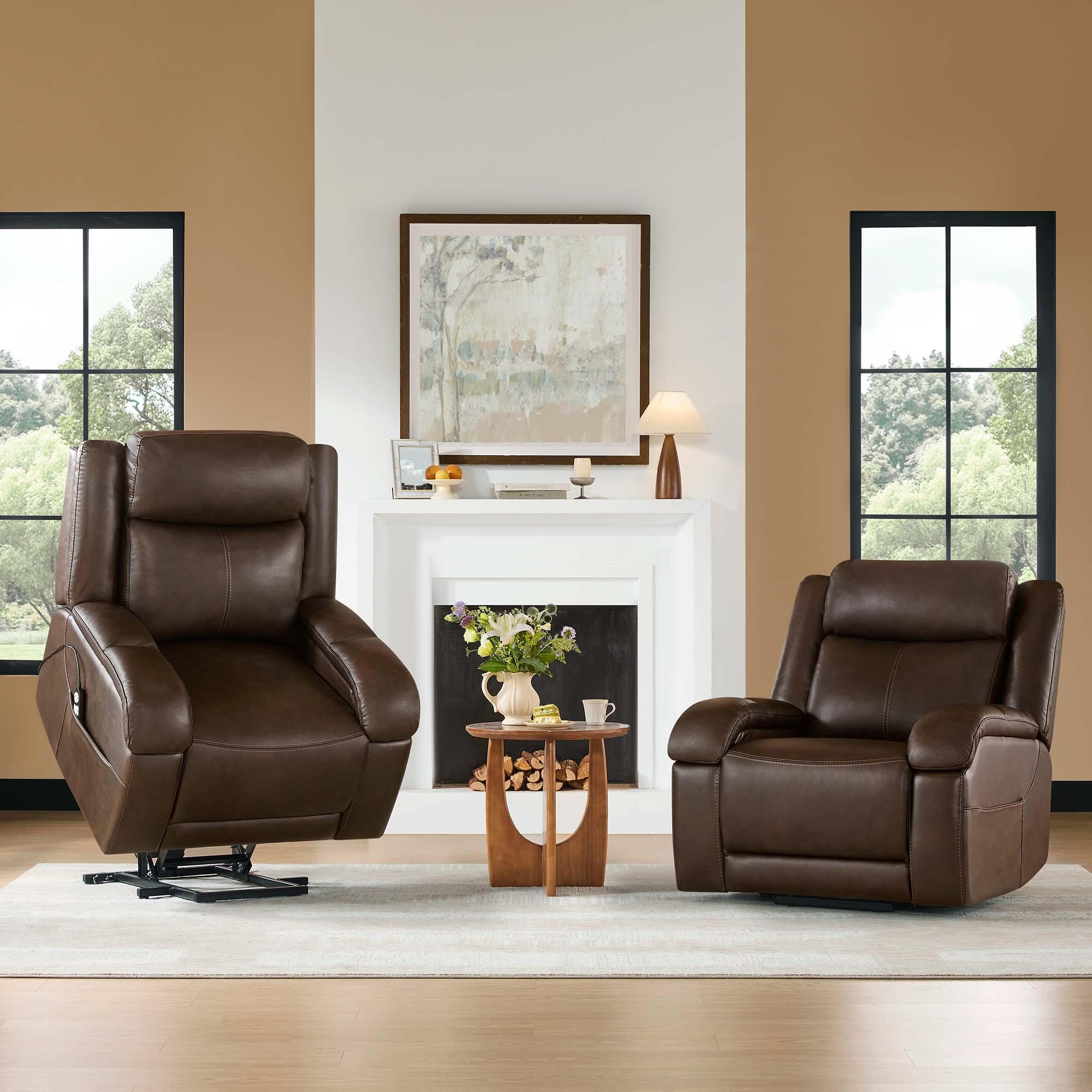
Choosing a Recliner You Will Still Love in a Decade
The right leather sofa recliner is the product of three honest answers: what kind of leather will hold up in your home, what mechanism suits the way you and your family use the chair, and how much space the chair truly needs when it is in motion. Get those right and the style becomes the easy part. Take your time with the leather grade, test the recline until you trust it, and measure the room rather than guessing. Do that, and the chair becomes a long-term investment in comfort instead of a purchase you second-guess every time you sit down.
