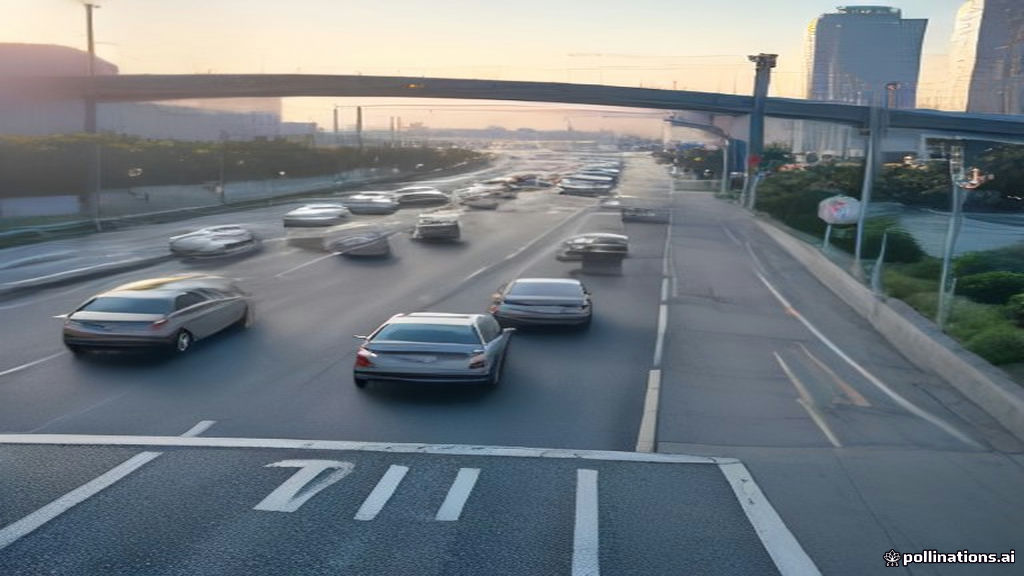
Rush hour in Mississauga might be a challenge for rookie drivers who are not confident. “Drivers have to be alert and make safe decisions in heavy traffic, frequent stops, impatient drivers and crowded intersections.”
Morning and evening commutes on Hurontario Street, Dundas Street, Burnhamthorpe Road and Highways 401, 403 and the QEW might be tough. Drivers also have to keep an eye out for pedestrians, bicycles, transit coaches and abrupt lane changes.
Good road safety habits are how we get through these circumstances safely. Defensive driving techniques can reduce the odds of an accident and stress for both commuters and G2 drivers.
Here are some road safety habits that every Mississauga rush hour driver should adopt.
1. Maintain a Safe Following Distance in Stop-and-Go Traffic
During rush hour, it is important to keep enough distance from the automobile in front of you.
Traffic might get heavy, causing unexpected slowdowns and pauses. Tailgating reduces your response time and increases your chances of being rear-ended.
The Official Driver's Handbook of Ontario suggests a two-second gap, in ideal conditions.
Use a road side traffic sign to determine this distance. Start counting when the car ahead passes the object. Your automobile should take two seconds to get to the same area.
Two seconds is good – at least. "Heavy rain, snow, ice, limited visibility and other situations require space.
Distance-Keeping Tips: Pragmatic
- Don’t tailgate, especially in slow traffic.
- Anticipate changes in traffic by looking past the automobile in front of you.
- Break early rather than at the final minute.
- Increase the following distances in poor weather.
- When gaps appear do not accelerate aggressively.
Drivers who keep a safe distance are better able to deal with traffic slowdowns.
2. Avoid aggressive driving and unnecessary lane changes.
Drivers often become frustrated in rush hour traffic. Some drivers like to change lanes, drive too close or accelerate hard to obtain positions.
However, in slow traffic, frequent lane changes usually increase the danger of accidents with minimal benefit.
Drivers could change lanes to enter turning lanes, shopping plazas or linking highways on major Mississauga streets such as Hurontario Street and Dundas Street.
Such conditions are likely to cause errors due to unnecessary lane changing.
Drivers should: Before changing lanes:
- Check your side and rear view mirrors.
- Check for blind areas over your shoulder.
- Make their purpose clear.
- Check for space.
- Enter the next lane slowly not impeding others
A turn signal tells people you intend to turn, but doesn't give you the right of way.
If another car pulls out in front of you, do not slam on the brakes, honk, or yell.
“It’s safer to be predictable and patient than try to gain position on other drivers.
3. Be Aware at Busy Crosswalks and Intersections
Drivers have to watch for traffic signals, pedestrians and cyclists all at once, making rush hour junctions particularly challenging.
Mississauga has busy intersections around major routes such as Hurontario Street, Eglinton Avenue, Dundas Street and Burnhamthorpe Road.
cars need to be more aware of junctions and not assume other cars will obey traffic regulations.
Watch Out for Turning Vehicles and Traffic Lights
- When you approach an intersection, slow down and check for automobiles that are turning.
- Don't accelerate through yellow lights. Ontario traffic legislation says automobiles should stop at yellow lights if they can do so safely, otherwise they should go softly.
- When turning left, look out for automobiles and pedestrians.
- When making a right turn, look for pedestrians and bicyclists on the sidewalk, crosswalk, and in the blind area.
- Do not enter a junction, even on a green light, if the traffic is too heavy.
Watch out for pedestrians and cyclists.
Shopping malls, schools, residential areas and MiWay transit hubs may all boost pedestrian traffic.
Drivers need to be careful when:
- Using marked crosswalks to cross.
- Near transit stops. Commuter.
- Driving near parking lot entrances and malls.
- Cyclists passing or oncoming bike lanes.
Pedestrians and bicycles are more vulnerable to collisions, so be careful!
Remember, just looking for other automobiles isn't enough. Drivers also have to watch out for pedestrians, bikers and mobility scoot riders.
4. Avoid Driving Distractions Don’t be distracted when driving.
Distracted driving is dangerous at any time, but even more so at rush hour.
A driver using a phone may not see a car stopping ahead or a pedestrian crossing for a few seconds.
Ontario’s distracted driving laws prohibit the use of hand-held phones and entertainment devices. These limitations apply even when automobiles are stopped for a short while at a red light or in traffic.
While you’re driving, don’t read texts, check notifications or manually enter destinations into navigation apps.
Methods for Reducing Distractions
- Before leaving, set your destination on navigation.
- Put driving mode on or alerts on do not disturb.
- Use permitted hands-free features when appropriate.
- No conversation of passengers to divert one's attention.
- Don’t reach for unsecured items while driving.
- Park safely, get over to the side and then use your phone.
Traffic must be watched carefully so rookie drivers should be particularly vigilant.
By focusing on the road, drivers can notice threats and respond.
5. Adjust speed for traffic and weather conditions
It takes more than seeing the speed limit to drive safely.
Ontario drivers must drive at a speed that is reasonable for the road and traffic conditions.
Traffic might be slower or faster at peak hour. Fast acceleration between these modifications can impair response time to cars ahead braking.
Keep to a steady pace and be ready for traffic.
Winter Driving Safety Tips Mississauga
Winter weather means snow, slush, freezing rain and hazardous roadways.
In some circumstances tyre traction might be reduced and stopping distances may be longer.
Drivers must:
- Slow down as roads worsen.
- More distance between cars.
- Don't jerk the wheel.
- Whenever possible, brake gently.
- Keep windows, mirrors, lights and windshields clear.
- Have cars with tires that are suited for the weather.
Drivers should exercise caution, morning and evening travels with reduced visibility.
One of the most significant ways drivers in Ontario protect themselves is to regulate their speed.
6. Merging and leaving the roadway safely
Highways in Mississauga connect residential and business areas to work hubs in the GTA.
Merging and departing is key for local cars on commuter routes such as 401, 403, 410 and the QEW.
access points to highways can be tricky with different traffic conditions and access ramps.
Drivers on highways should use the acceleration lane, evaluate the gaps, signal their intentions, and adjust their speed to merge into traffic safely.
Good Highway Safety Practices
- Take a look in your mirrors and blind spots for automobiles behind you or behind you before merging.
- Get up to speed: Use the acceleration lane to merge with interstate traffic, watching for conditions and constraints.
- Signal your intention before you make your move.
- Don't change lanes a lot, change lanes only when you have the room."
- Planning exits: Move over to the exit lane early instead than trying to cross numerous lanes at the last minute.
- If you miss your highway exit, take the next one, rather than attempting a dangerous maneuver.
Practice merging on highways with a skilled instructor to build confidence before driving on busy expressways, especially for inexperienced drivers.
7. Exercise Extra Caution Around Schools and Residential Streets
School pick up and drop off times generally coincide with morning and afternoon travels.
Drivers may notice youngsters crossing roads, school busses stopping often and parents arriving and going in school parking lots.
The City of Mississauga is reminding motorists to slow down and be aware in and around schools and communities.
Adhere to speed limits, community safety zone signage and school crossing guard directions.
School Zone Safety Procedures You Must Know
- Slow down and be on the lookout for children near the road.
- Avoid parking or stopping in a way that obscures the pedestrian's vision.
- Never pass a school bus with its red warning lights on or its stop arm out.
- Watch for crossing guards and wait until they signal it’s safe.
- Watch for people stepping out from between parked automobiles.
- Avoid dangerous U-turns in the vicinity of school entrances.
Ontario legislation compels drivers to stop for school busses with red flashing lights or stop arms extended. On median-divided streets, opposing traffic is excluded.
Traffic from behind must stop at 20 meters.
These safeguards are vital since small children move unpredictably and could not spot approaching cars.
8. Busses, trucks and bikers should have safe room on the roads.
During rush hour, Mississauga automobiles share the roads with MiWay busses, business trucks, delivery vehicles and cyclists.
Visibility, stopping and maneuvering differ between road users.
Make Way for Big Vehicles
Commercial vehicles have bigger blind spots and need more room to turn than passenger automobiles.
- Don't linger near to trucks, especially at intersections.
- Keep a safe distance behind large trucks so you can see the road ahead and respond to changes in traffic.
- Do not pass and then cut back in front of a car or bus.
Watch Out Around Transit Stops
MiWay busses regularly pick up and drop off people.
- Do not pass and be on the lookout for persons crossing bus stops.
- In Ontario, under the yield law, drivers have to give way to transit busses that are indicating that they want to go back into traffic from authorized bus stops in specific conditions.
Watch for bikers
Bicyclists can ride in the lanes or on the curb.
- When you turn or change lanes, watch for bicyclists.
- Don't block the bike lanes and leave room to pass.
Respect for other road users decreases accidents and promotes predictability in traffic.
9. Plan your route before the rush hour traffic.
Good route planning may ease stress and help drivers avoid last-minute judgments.
Check the traffic before you leave home or work and allow yourself additional time to get there safely.
For drivers in Mississauga, there are several possibilities, depending on where you are going.
Due to traffic congestion, a non-Hurontario or Dundas Street route may be required.
But other routes aren’t necessarily safer or faster. Residential streets might be unknown territory, with intersections, pedestrians, or schools.
Practical Advice for Route Planning Tips
- Look at the traffic before you drive.
- Leave early, don't be time strained.
- Identify highway exits and major turns before to departure.
- Navigation instructions without touching your phone.
- If you miss a street or exit, don’t make any quick turns.
- Learning to drive in busy traffic? Use proven methods.
Drivers may focus on other cars, rather than directions, when they plan beforehand.
New drivers can learn by moving from quieter locations to busy roads.
10. How to Keep Your Cool in Annoying Traffic
Traffic is frustrating, especially when you are driving late.
But anger and irritation can cloud the judgment and lead to more dangerous driving.
Frustration usually means tailgating, honking, speeding up and making aggressive lane changes.
Keeping your emotions in check when traffic is bad is a wonderful road safety technique.
If another driver is aggressive, don’t feed it.
Don't quarrel, threaten or retaliate over road space.
Maintain a safe distance and drive responsibly.
Keeping Your Cool in Heavy Traffic
- Whenever feasible, add additional time for your commute.
- Accept that sometimes delays are unavoidable.
- Keep your driving posture calm and aware.
- Road conditions always come before impatient drivers.
- Don't take aggressive driving personally.
- If you’re struggling to concentrate due to stress, go somewhere safe and take a break.
Better to be a few minutes late than risk it.
Responsible drivers recognize that road safety needs patience and judgment.
Mississauga rush-hour driving errors to avoid
Even skilled drivers might be dangerous if they travel the same roads every day.
“Drivers who recognize common mistakes are safer drivers.
And do not do these things:
- Tailgating: Following another vehicle excessively closely, not leaving enough space to brake safely.
- Unnecessary lane changing for marginal advantage.
- Phone use: Reading texts or alerts while driving or at a traffic light.
- Blocking intersections: Insufficient clearance for entry.
- Not checking blind spots: Changing lanes or turning without checking for automobiles or motorcycles.
- Running yellow lights: speeding up instead of stopping when it is safe to do so.
- Not altering speed in rain, snow or traffic.
- Not watching for pedestrians. Turning without looking at crosswalks and pedestrian activity.
- Last minute lane changes to get off a freeway.
- Being too harsh on another motorist for a mistake.
By avoiding these mistakes, drivers may stay out of danger and keep Mississauga’s roads safer.
Defensive Driving Lessons Can Help New Drivers in Mississauga
Rush hour traffic may be difficult for new drivers.
Teaching and practice are structured to build abilities at busy intersections, frequent lane changes, highway merging and unexpected stops.
Professional driving courses teach students how to use defensive driving strategies in genuine traffic situations.
Benefits of Professional Driving Lessons
Driving abilities that beginners may learn:
- Seeing road dangers before they become dangerous.
- Maintain appropriate following distances.
- Checking blind areas and safely changing lanes.
- Crossing busy intersections with confidence.
- Speed adjustment for traffic and weather.
- know how to merge on and off highways
- Dealing appropriately with aggressive or unpredictable drivers.
Students may acquire these skills under professional supervision, get feedback and correct mistakes before they become driving habits.
Driving Tutors Driving Classes in Mississauga
Driving lessons and driving classes in Mississauga, Ontario with The Driving Tutors.
The school provides beginning driver education programs and preparation for G2 and G road tests.
“It’s as important as knowing how to drive a car, that the rookie driver learns how to scan traffic and anticipate dangers and respond calmly.
Drivers who need to practice more should check the school’s teaching packages and pick a suitable one.
Whether you’re preparing for your first road test, or want to enhance your practical driving abilities, experienced coaching can help you feel more at ease on the road.
Want to drive more safely and confidently on busy Mississauga roads?
Visit https://thedrivingtutors.com/courses/ to see their driving courses and contact The Driving Tutors to find out about lessons and training options.
FAQs
What are the most important rush hour road safety habits?
The most important habits include keeping safe distance to the car in front, following traffic lights, not becoming distracted, checking blind spots, adjusting your speed to the road conditions and being patient in traffic jams. These approaches can help drivers foresee issues, and adjust to changing traffic.
How novice drivers in Mississauga can safely handle heavy traffic
New drivers should start with familiar routes and build up to more challenging traffic. Staying a safe distance, planning routes, observing intersections and avoiding unnecessary lane changes may make rush hour driving smoother. Experts are able to teach even beginners how to handle traffic.
Stop-and-go traffic: How much distance should drivers leave?
The Ontario’s Official Driver’s Handbook suggests a two-second follow time in perfect driving conditions. Drivers should increase this distance when sight is reduced, the roads are slippery or stopping suddenly is difficult. Leave enough room to avoid accidents and to drive safely in slow traffic.
What are the routes in Mississauga that you should watch out for during rush hour?
Extra care may be needed on your travel on Hurontario Street, Dundas Street, Burnhamthorpe Road, Eglinton Avenue and connections to Highways 401, 403, 410 and the QEW. Motorists are advised to check traffic reports before setting out and to remain vigilant on all roads.
How can drivers get out of aggressive driving when stuck in traffic?
Allowing extra time to travel, keeping a safe distance from the car in front of you, avoiding unnecessary lane changes, and being tolerant with other drivers’ mistakes can help minimize aggressive behavior. This eliminates annoyance and hazardous judgments when you prioritize safety above road position.
G2 drivers bad at rush hour?
If you are a G2 driver, and not used to traffic, you will have a hard time during rush hour. Highway merging, constant braking and busy junctions need more vigilance and decision-making. However, effective training and frequent practice may increase the driver’s confidence and safety in handling congestion.
Does defensive driving instruction make people more confident on the road?
Yes. Defensive driving training can enhance driver observation, danger awareness, safe following distances and decision-making. For beginners, and for anyone who is not used to busy roadways, getting these abilities under expert guidance can assist.
THE END
Mississauga rush hour safety with alertness, patience and constant road safety actions.
“Drivers need to be aware of traffic changes on Hurontario Street, Dundas Street and Highway 401.
Keep your distance. Minimize distractions. Give way to pedestrians and cyclists. Plan your route. Control your emotions. All of these may make driving safer.
For G2 drivers and newbies, it’s important to develop good habits early. Professional instruction and plenty of practice may help increase confidence and judgment for tough traffic conditions.
At the end of the day, safe driving isn’t about speed. Responsibility involves making choices that keep you, your passengers and other road users safe.
