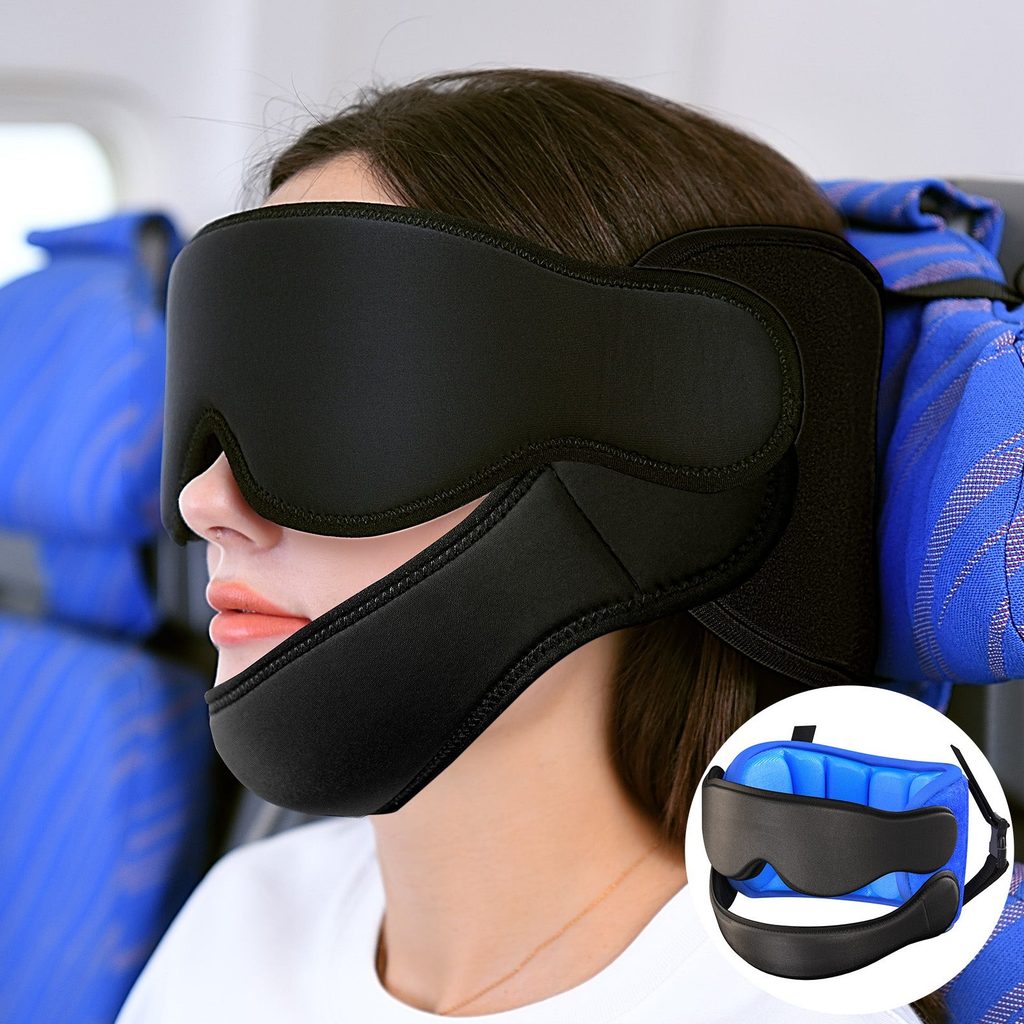
You finally drift off somewhere over the ocean, and twenty minutes later you jolt awake with your chin buried in your chest and a sharp ache running up the back of your neck. It’s one of the most common complaints from long-haul travelers, and it has nothing to do with how tired you were. The real problem is what happens to your head the moment your muscles relax: without something to hold it in place, gravity takes over and your chin drops forward. That single motion strains the neck for hours and can leave you stiff well after landing. Understanding why this happens is the first step to actually preventing it, and it turns out the fix has less to do with willpower and more to do with the shape of the support under your jaw.
Why Your Chin Drops the Moment You Doze Off
When you’re awake, your neck muscles are constantly making small adjustments to keep your head balanced. The instant you fall asleep, that muscle tone drops off, and your head follows the path of least resistance. On a plane seat, that path is forward and down. Most people assume a firmer headrest or a rolled-up jacket will solve this, but those only address the sides of the neck. They do nothing to stop the forward tip that causes the chin-drop most travelers know all too well.
This is also why standard neck pillows can feel like they’re barely doing anything once you’re actually asleep. They cushion a fall that hasn’t happened yet, rather than preventing the fall in the first place. The missing piece is support that meets the head from the front, not just the sides.
What Makes a Chin Hold Design Different
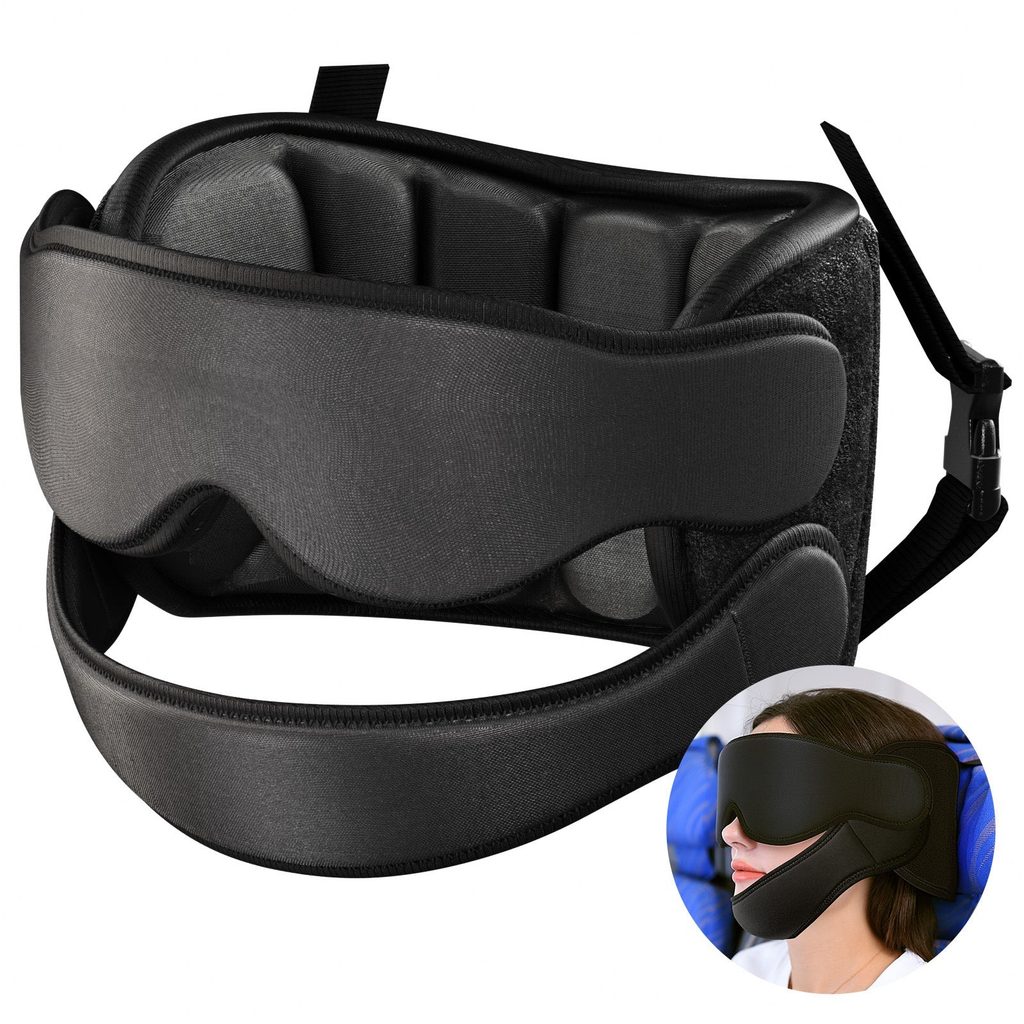
A chin hold travel pillow is built around that missing front support. Instead of just wrapping around the sides of your neck, it includes a strap or cradle that keeps your jaw from tipping forward once your muscles let go. The difference is noticeable within the first nap: your head stays roughly level, your airway stays clearer, and you wake up without that telltale crick.
Brands like Sarisun have leaned into this design specifically because conventional pillows kept falling short on long flights. It’s a small structural change, but it addresses the actual mechanics of what goes wrong when someone sleeps sitting up, rather than just adding more padding around the problem.
Matching Support to How You Actually Sleep
Side Sleepers on Planes
If you tend to lean toward the window or the person next to you, the chin support still matters, but positioning is key. Angle the pillow so the strap sits under your jaw rather than off to one side, and let the firmer side of the cushion take the weight of your leaning head. This keeps your neck in a more neutral line instead of twisting.
Back Sleepers on Long Journeys
Travelers who sleep facing forward benefit the most from chin support, since that’s exactly the position where the head drops straight down. Sitting the pillow slightly higher on the chest, rather than low around the collarbone, gives the chin something to rest against before it has a chance to fall.
Small Habits That Help the Pillow Do Its Job
Even the best support works better with a little preparation. Reclining your seat slightly before you settle in gives your neck a more natural angle to rest in. A few gentle neck stretches before boarding can also loosen the muscles that tend to overcompensate when you’re tense from travel stress. Many Sarisun users mention pairing their pillow with this kind of short pre-flight routine, since a relaxed neck settles into the support far more easily than a tense one.
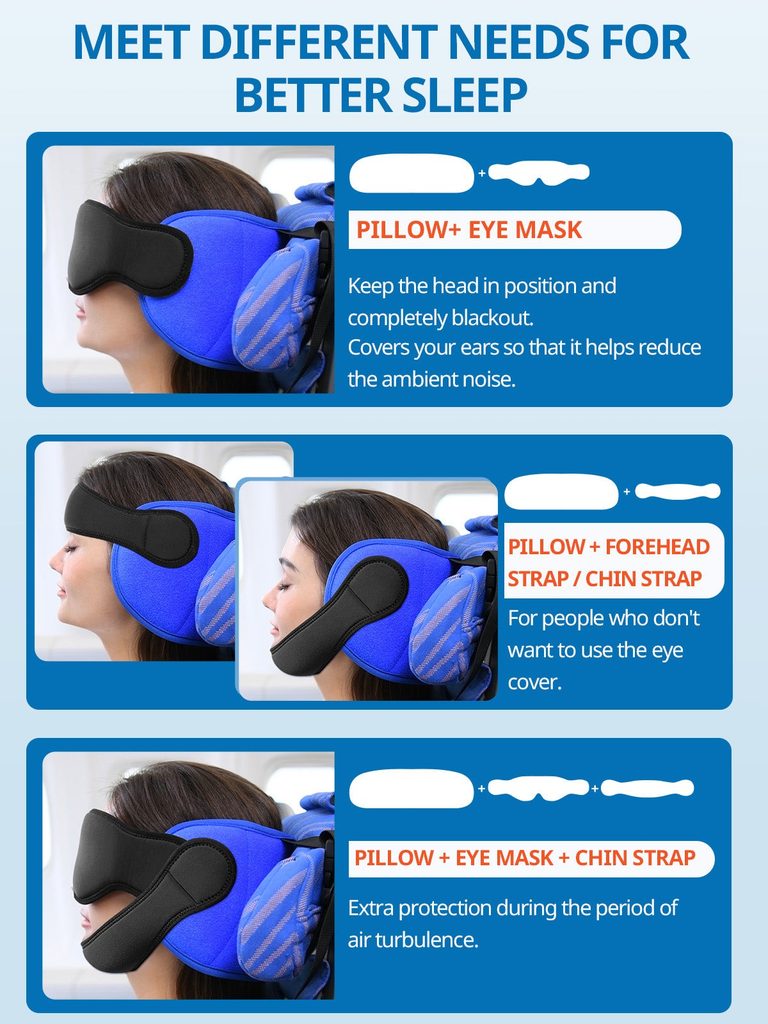
It’s also worth adjusting the fit before you expect to fall asleep, not after. Fumbling with straps mid-nap rarely ends well, while a properly fitted pillow at the start of the flight will keep working quietly in the background for hours.
Better Rest Starts With Better Support
Chin drop isn’t a sign that you slept too hard or sat the wrong way, it’s simply what happens when the front of your head has nothing to lean on. Once you address that missing support, the rest of the discomfort tends to fade on its own. Whether you’re a side sleeper or someone who nods straight forward, matching the pillow’s fit to your habits makes a measurable difference. Combined with a bit of pre-flight preparation, a chin-supporting design can turn a rough travel nap into genuinely restful sleep, and that’s a change most frequent flyers notice the very first time they try it.
