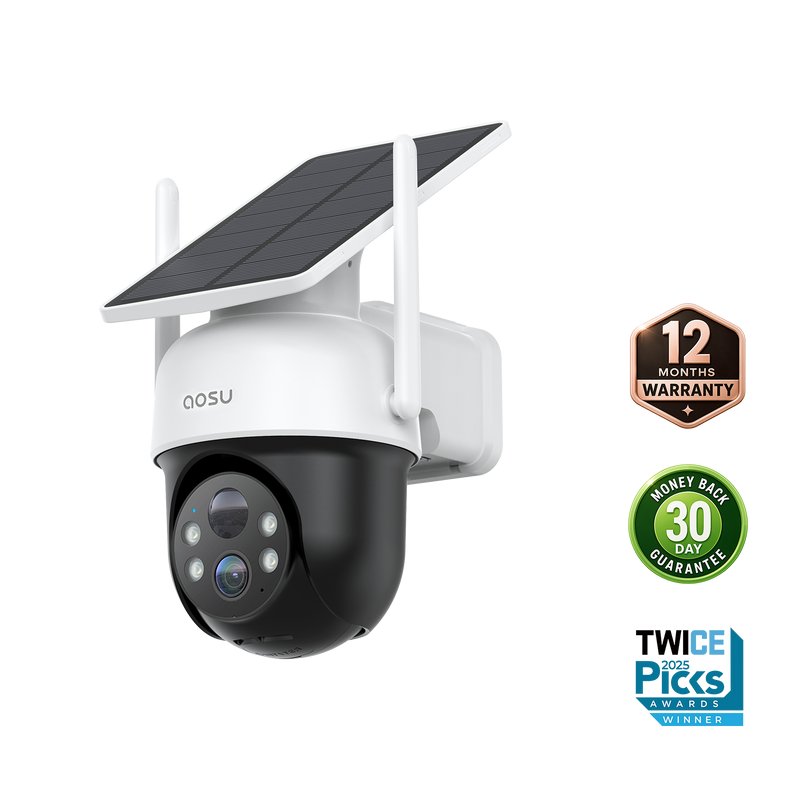
Most homeowners don’t think about security cameras until something goes wrong, a package disappears from the porch, a car window gets smashed overnight, or a neighbor mentions a stranger lingering near the driveway. By then, the usual response is to call an installer, only to learn that running cables through walls and ceilings takes days and costs far more than expected. That friction is exactly why so many households are rethinking how home monitoring should work in the first place.
Wireless systems remove the guesswork. There’s no drilling, no hidden wiring, and no need to coordinate with an electrician’s schedule. A camera can go up in the time it takes to charge a phone, and it can move to a new spot the moment your needs change. For renters, new homeowners, or anyone who wants coverage without a construction project, that flexibility changes the entire calculation around home protection.
The Hidden Costs of Wired Camera Systems
Wired setups often look affordable on a product page, but the real expense shows up during installation. Running cable through exterior walls, attics, or crawl spaces usually requires a professional, and pricing climbs fast once patching, painting, and troubleshooting enter the picture. Older homes make this worse, since brick, plaster, or oddly routed electrical lines can turn a simple job into a multi-day project.
There’s also the problem of commitment. Once a wired camera is mounted and connected, relocating it means repeating the entire process. Anyone who has moved a router or tried to reroute an ethernet line knows how quickly a “quick fix” turns into an afternoon lost to troubleshooting. Wireless security cameras sidestep this entirely, since power and data don’t depend on a fixed physical path through the house.
Where Wireless Freedom Actually Pays Off
The benefits of going wireless become obvious once you start thinking about the specific spots that matter to your property, not just the ones that are easiest to wire.
Renters and Short-Term Living Spaces
Anyone leasing an apartment or house faces a simple restriction: you can’t modify the structure. Drilling holes or running cable through a rental’s walls usually isn’t allowed, and even when it is, nobody wants to leave permanent damage behind. A wireless camera solves this by mounting with basic hardware or adhesive strips, and it travels with you when the lease ends. The same unit that watched a front door in one apartment can cover a backyard gate in the next home, with no rewiring involved.
Covering Entry Points Without Rewiring the House
Side doors, gates, and detached garages are common blind spots because running a wire to them means trenching a yard or fishing cable through walls that were never designed for it. Wireless units go up wherever a mounting bracket fits, which means the awkward corners of a property finally get proper coverage. A single afternoon can turn a house with one visible camera at the front door into one with monitored access points on every side.
Battery Life and Connectivity Considerations
Going wireless does introduce a few tradeoffs worth planning for. Battery-powered units need periodic charging or swapping, so placement should account for how easy that maintenance will be. Cameras mounted twelve feet up on a ladder-access soffit are a lot less convenient to service than one mounted at eye level near a side entrance. It’s also worth checking Wi-Fi signal strength at the intended mounting spot before committing, since a weak connection leads to dropped clips and delayed alerts rather than a truly wireless experience.
Most households find that a mesh Wi-Fi extender or a dedicated camera hub resolves signal issues in larger homes, and brands like AOSU design their hardware with this kind of real-world connectivity gap in mind, rather than assuming perfect router range throughout a property.
Choosing a System That Grows With Your Needs
The best approach is to start with the entry points that matter most, typically the front door and one vulnerable side access, then expand gradually. Look for cameras that share a single app or hub, since managing five separate logins for five different devices defeats the purpose of a simple system. Night vision quality, motion zone customization, and local storage options are worth comparing directly rather than assuming every model performs the same after dark or handles false alerts from passing cars and pets equally well.
Weatherproofing matters just as much as the camera specs themselves. A unit rated for outdoor use should handle rain, temperature swings, and direct sun without the housing degrading within a year. Reading real installation photos and long-term reviews, rather than just marketing shots, gives a clearer sense of how a camera actually holds up mounted under an eave through a full season of weather.
Making the Move to Flexible Home Protection
Home security doesn’t need to start with a construction project. Wireless cameras give homeowners and renters alike a way to cover the spots that matter most, without cabling, without a big upfront installation bill, and without being locked into one physical layout forever. Starting small, at the door or gate that concerns you most, and expanding as needs change is a far more practical path than trying to wire an entire property at once. The result is coverage that adapts to your home, rather than a home that has to be rebuilt around the camera system.
