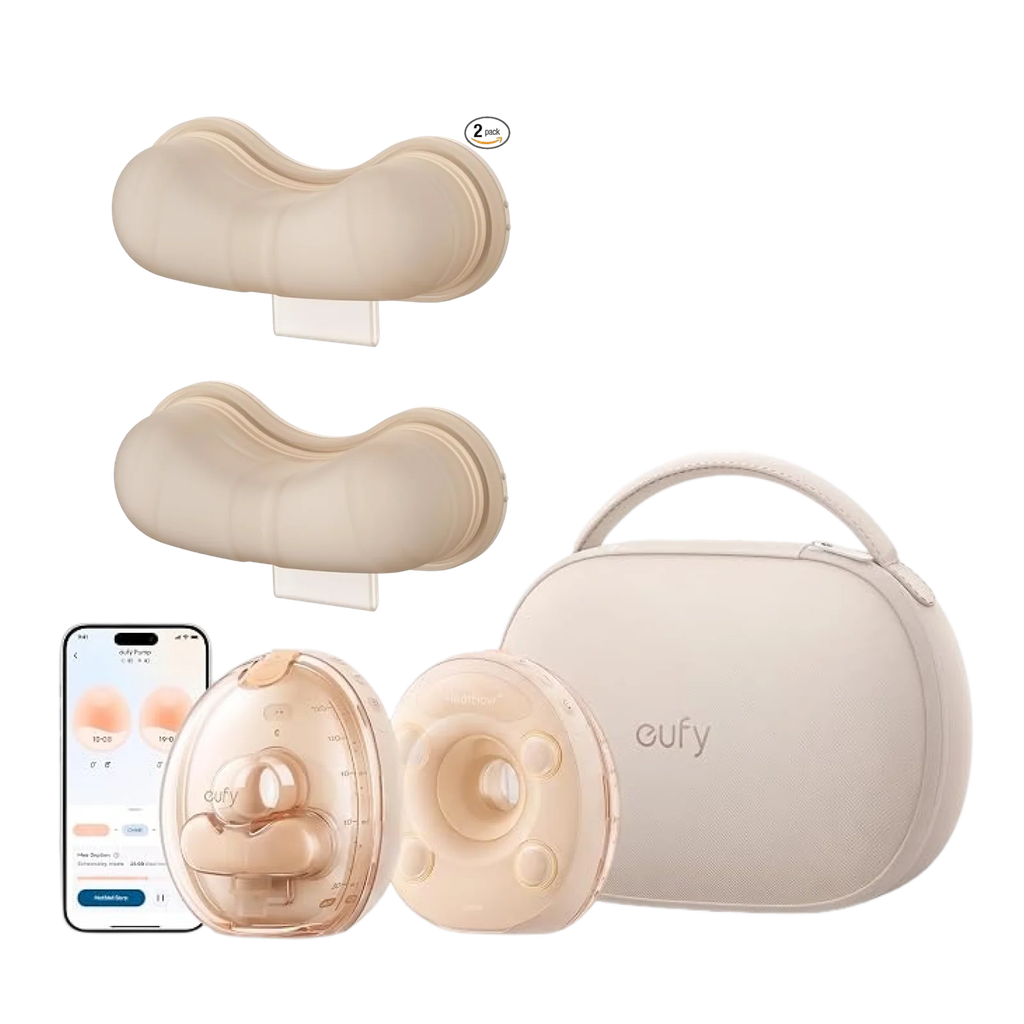
Pumping breast milk can look very different from one parent to another. Some people pump occasionally, while others do it several times a day. Some have a dedicated space and plenty of time, while others are trying to fit sessions around work, childcare, commuting, or everyday responsibilities. A wearable breast pump has become one option for people looking for more freedom during those sessions. The technology is designed to be worn inside a bra rather than requiring the user to remain beside a traditional pump unit.
That sounds straightforward, but several assumptions can make it difficult to know what to expect. Understanding the practical realities can help parents decide whether this type of pump fits their routine.
Assumption 1: “Wearable Means You Can Do Anything”
The biggest attraction of a wearable breast pump is freedom of movement. Because the collection cups and pumping mechanism are designed to be worn, users may be able to perform certain light activities during a session. But hands-free does not mean completely unrestricted. Walking around the house may be comfortable for one person but awkward for another. Bending, exercising, lifting heavy objects, or moving quickly can affect positioning and comfort.
The pump also needs to remain properly aligned to work effectively. A more realistic expectation is that wearable equipment can reduce some of the restrictions associated with sitting beside a traditional pump. It does not necessarily turn pumping into something that can be done during every activity.
Assumption 2: “The Strongest Suction Must Be the Most Effective”
It is easy to assume that stronger suction means faster or better pumping. In reality, comfort matters. Excessive suction can cause discomfort or irritation, and uncomfortable pumping can make sessions harder to maintain.
Many devices provide multiple suction levels or modes. Starting at a comfortable setting and adjusting gradually can help users find an intensity that works for them. The ideal setting is not necessarily the highest one available. Individual responses vary, and what feels comfortable for one person may feel too strong for someone else.
Assumption 3: “One Size Should Fit Everyone”
Breast and nipple anatomy varies considerably. This is why fit is one of the most important factors when choosing and using pumping equipment. A wearable design needs to sit securely while maintaining appropriate alignment.
If the flange or insert is the wrong size, pumping may become uncomfortable and milk expression may be affected. Before purchasing, check whether the model offers different sizing options or compatible inserts. If persistent discomfort occurs despite making adjustments, professional lactation support may help identify whether fit or technique is contributing to the problem.
Assumption 4: “It Will Automatically Replace a Traditional Pump”
Some people may expect a wearable pump to handle every pumping situation. That is not necessarily the case. Different pump designs have different strengths. A wearable breast pump may be particularly convenient when portability and freedom of movement are important. A traditional electric pump may be preferred in situations where the user wants a more stationary setup.
Some parents may therefore use different equipment for different circumstances. For instance, one pump might be convenient during a workday while another is preferred at home. There is no universal requirement to choose only one type.
Assumption 5: “Small Means Easy to Maintain”
Compact equipment can save space, but it still requires cleaning and care. Milk-contact components need to be cleaned according to the manufacturer’s instructions. Small parts can also be easy to overlook, especially when a pump contains several valves, membranes, inserts, or other removable pieces.
Before buying, look beyond the pump’s appearance and consider the cleaning routine. Ask yourself whether the components are easy to separate, wash, dry, and reassemble. If pumping happens multiple times a day, even a few extra cleaning steps can become noticeable over time.
Assumption 6: “Battery Life Doesn’t Matter”
A wearable design is only convenient when it has enough power for the intended routine. Battery capacity becomes especially important for people who pump away from home. Running out of power during a session can be frustrating if there is no convenient way to recharge.
Consider how many sessions you typically need between charging opportunities. If you spend long periods away from an outlet, look at battery runtime and charging options before making a decision. Keeping a compatible charging cable or backup power source available can also be useful when appropriate.
Assumption 7: “The Pumping Routine Doesn’t Need Planning”
Wearable equipment can make pumping more flexible, but planning remains important. At work, you may need a private space and enough time for a session. During travel, you may need a way to clean equipment and store expressed milk safely.
Even at home, it can help to keep the pump, storage containers, cleaning supplies, and charging equipment in an organized location. The goal is to remove unnecessary friction from the routine.
Reality: Convenience Is Personal
A feature that solves one person’s problem may not matter to someone else. Someone who spends much of the day moving around may value portability in a wearable breast pump. Another person who pumps mostly at home may care more about comfort and cleaning. A frequent traveler may prioritize battery life and compact storage.
This is why comparing specifications alone can be misleading. Instead, think about your own routine. Where do you pump? How frequently? How long are you away from home? Do you have access to refrigeration? How much movement do you want during a session? Those answers can tell you more about suitability than a long list of features.
When a Different Approach May Be Better
There are also situations where another pumping method may make more sense. If you prefer a stationary setup with a larger collection system, a traditional pump may feel more comfortable. If you need to pump quickly in a specific environment, you may have different priorities.
The important point is that pumping technology should adapt to your needs rather than the other way around. If something consistently causes pain, difficulty, or frustration, reassessing the equipment and technique is reasonable.
Small Details Can Make a Big Difference
The experience of pumping is influenced by more than the pump itself. The bra used with a wearable design can affect stability. Clothing can influence how easy it is to position and remove the equipment. Storage containers and cleaning supplies can determine how convenient the overall routine feels. Even the location where you store the pump can matter. Keeping frequently used items together can reduce the number of steps required before and after a session.
Listen to Your Body
Comfort should remain a central consideration throughout the process. Pumping may involve a sensation of suction and pressure, but persistent pain should not simply be accepted as normal. Fit, positioning, and suction settings may need adjustment. If concerns about pain, milk supply, or breastfeeding continue, speaking with a qualified lactation professional or healthcare provider can provide individualized guidance.
Conclusion
A wearable breast pump can offer useful flexibility, but its benefits are best understood realistically. It may allow light movement, simplify certain work or travel situations, and reduce some of the physical restrictions associated with traditional pumping. At the same time, it still requires appropriate fit, regular cleaning, charging, safe milk handling, and thoughtful planning. Rather than asking whether wearable pumping is universally better, it makes more sense to consider whether its design matches your own routine. When comfort, practicality, and personal needs are given equal attention, it becomes easier to build a pumping approach that works in everyday life.
FAQs
Does a wearable pump have to be used while standing or walking?
No. It can generally be used while sitting as well. The wearable design simply provides the option for light movement during a session.
What can affect the amount of milk expressed?
Fit, positioning, suction settings, pumping frequency, individual physiology, and the specific pump can all influence milk expression. Results can vary significantly between users.
Can I wear a normal bra with a wearable pump?
Many wearable pumps are designed to be used with supportive bras, but compatibility varies. Check the manufacturer’s recommendations for the specific design and fit.
What should I consider if I plan to travel with one?
Think about battery life, charging options, cleaning supplies, spare parts, storage containers, and safe storage for expressed milk. Planning these details ahead can make travel easier.
