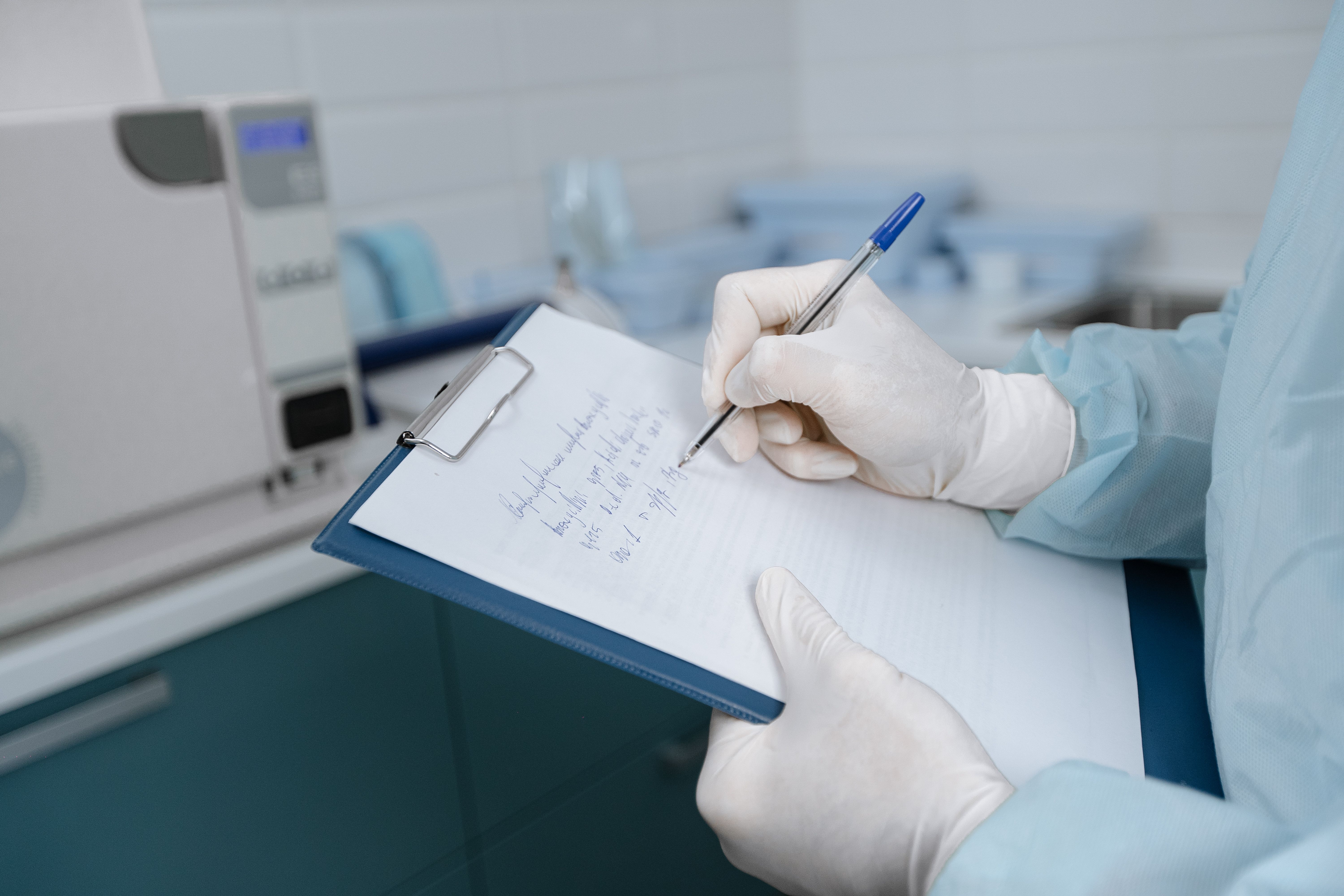
Mastering clinical documentation is one of the biggest adjustments you’ll face when moving from the classroom into a busy clinical setting. Learning to turn detailed patient encounters into clear, structured medical notes improves communication across the care team and supports safer patient outcomes.
Clinical rotations demand much more than medical knowledge. Every day, you’ll need to document patient encounters accurately and efficiently while keeping pace with a busy healthcare environment.
Many students find it challenging to balance technical medical language with clear, concise writing. That’s where SOAP notes come in.
They provide a consistent framework that helps organize information, reduce the risk of errors and demonstrate professionalism. Once you become comfortable with the format, documentation becomes a tool that supports your clinical thinking rather than another task to get through.
Demystifying the Subjective Section
The subjective section lays the groundwork for the rest of the note by recording what the patient reports. Everything here comes directly from the patient’s account or, when appropriate, from family members or caregivers.
It includes the chief complaint, history of the present illness, symptoms, pain levels and relevant medical history shared during the interview.
One of the most common mistakes students make is adding assumptions instead of documenting exactly what was said. Whenever possible, record the patient’s own words to preserve accuracy.
Rather than writing that “the patient feels bad,” describe the symptoms they reported, including when they began, where they occur, how long they’ve lasted and how severe they are.
It’s equally important to note symptoms the patient specifically denies experiencing, as those details often help narrow potential diagnoses. Listening carefully and documenting the patient’s experience without interpretation helps create an accurate clinical picture from the very beginning.
Navigating the Preceptor Relationship
Clinical rotations also involve working closely with experienced clinicians who review your performance daily. Understanding the expectations of a clinical NP preceptor can make the experience more productive and far less stressful.
These mentors look for students who communicate clearly, think critically and document patient encounters accurately. Asking about their preferred charting style before your first shift shows initiative and respects their workflow.
A clinical NP preceptor plays an important role in helping bridge the gap between classroom learning and real clinical practice. As you work through patient cases together, they help strengthen your diagnostic reasoning and refine your documentation skills.
Feedback is a normal part of the process and responding openly to constructive criticism allows you to improve more quickly.
Correcting charting mistakes promptly and applying those lessons to future notes shows steady progress and builds trust throughout the rotation.
Clear documentation also demonstrates that you’re applying clinical guidance in practice. Rather than viewing feedback as criticism, treat it as an opportunity to strengthen your judgment and decision-making.
Consistently incorporating recommendations into your future notes shows growing confidence and helps turn clinical rotations into meaningful learning experiences.
Organizing the Objective Section
The objective section shifts away from the patient’s account and focuses entirely on measurable, observable findings. This is where you document the facts collected during the examination, leaving no room for opinion or speculation. Accurate documentation here supports sound clinical decisions and provides an important legal record of the encounter.
Key information typically includes:
- Vital signs, including blood pressure, heart rate, temperature and respiratory rate.
- Physical examination findings organized by body system.
- Laboratory results and diagnostic imaging available during the visit.
- Measurable observations such as wound appearance or range of motion.
Using precise anatomical language helps ensure every member of the healthcare team understands exactly what was observed. Avoid unclear abbreviations or shortcuts that could be interpreted differently by another clinician.
Formulating the Clinical Assessment
The assessment brings together the subjective information and objective findings to explain your clinical reasoning. This section identifies the most likely diagnosis and documents any differential diagnoses in order of probability. It shows how the evidence supports your conclusions.
Finding the right balance between detail and brevity can be difficult at first. Every diagnosis you include should be supported by information documented earlier in the note.
For example, if acute bronchitis is part of your assessment, the patient’s symptoms and physical examination findings should clearly support that conclusion. Think of this section as showing how you connected the evidence rather than simply stating the answer.
Executing the Actionable Plan
The plan outlines exactly how the patient’s condition will be managed moving forward. It provides a practical roadmap for the healthcare team, the patient and any future providers involved in ongoing care. Every diagnosis listed in the assessment should have a corresponding action in the plan to maintain continuity of care.
This section should include planned diagnostic tests, prescribed medications, referrals to specialists and clear follow-up instructions. Whenever possible, include specific review timeframes instead of broad statements. Medication dosages, recommended lifestyle changes and patient education should also be documented clearly.
It’s equally important to explain when a patient should seek urgent or emergency care if their condition changes. A well-written plan leaves little room for uncertainty, helping patients understand what happens next while supporting safe, coordinated clinical care.
E-E-A-T analysis
View details – click here
85%
| Order ID | 93405 | |
| Orderlink ID | 388099 | |
| Link | knowledgar.com | |
| Language | English |
| clinical NP preceptor found 1 time(s) | |
| https://clickclinicals.com/ |
Article Images
Source: pexels.com
