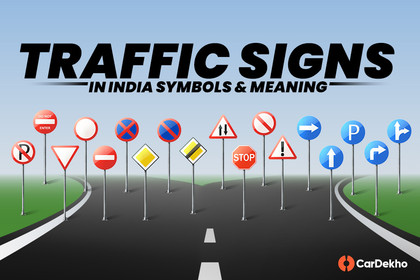
Every year, thousands of traffic accidents occur because drivers misunderstand or ignore traffic signs and road markings. These visual communication tools serve as the backbone of road safety, providing critical information that keeps traffic flowing smoothly and prevents collisions.
Regulatory Signs: The Rules of the Road
Regulatory signs tell drivers what they must or must not do. These signs carry the force of law, meaning violations can result in fines, points on your license, or worse consequences.
Stop and Yield Signs
The iconic red octagonal stop sign requires drivers to come to a complete halt before proceeding. Rolling stops—where drivers slow down but don’t fully stop—are illegal and dangerous. At a stop sign, you must stop behind the white line, crosswalk, or before entering the intersection if no markings are present.
Yield signs, typically triangular with a red border and white background, require drivers to slow down and give the right-of-way to other vehicles or pedestrians. Unlike stop signs, you don’t need to come to a complete stop unless necessary for safety.
Speed Limit Signs
Speed limit signs establish the maximum safe speed for specific road conditions. These white rectangular signs with black text indicate different limits for various areas: residential zones typically range from 25-35 mph, while highways may allow 55-80 mph or higher. Remember that posted speeds represent ideal conditions—you should always adjust your speed based on weather, traffic, and visibility.
Traffic Control Signs
No parking, no U-turn, and one-way signs help manage traffic flow and prevent congestion. These regulatory signs often use universal symbols combined with text to ensure clear communication. Violating these signs can result in tickets and create dangerous situations for other road users.
Warning Signs: Preparing for Road Hazards
Warning signs alert drivers to potential dangers or changing road conditions ahead. These yellow diamond-shaped signs give you time to adjust your driving behavior before encountering hazards.
Curve and Turn Warnings
Sharp curve signs indicate upcoming turns that require reduced speed. The arrow’s direction shows which way the road curves, while additional plaques may specify recommended speeds. These signs are particularly important on unfamiliar roads where drivers might not anticipate sudden direction changes.
Winding road signs warn of a series of curves ahead. When you see these signs, reduce speed and prepare for multiple direction changes that may limit your visibility of oncoming traffic.
Pedestrian and School Zone Signs
Pedestrian crossing signs indicate areas where people frequently cross the road. These signs often appear near shopping centers, parks, and residential areas. School zone signs require special attention, as they typically include specific speed limits during school hours and enhanced penalties for violations.
Construction and Work Zone Signs
Orange construction signs warn of temporary hazards like lane closures, workers present, or uneven surfaces. These signs often include specific instructions like “Right Lane Closed Ahead” or “Flagman Ahead.” Work zones require reduced speeds and increased following distances.
Guide Signs: Navigation and Information
Guide signs provide directional and distance information to help drivers navigate efficiently. These signs come in various colors, each with specific meanings.
Interstate and Route Markers
Interstate signs feature blue backgrounds with white numbers, indicating major highways that cross state lines. US route signs use black numbers on white backgrounds, while state routes vary by location but typically use distinctive shapes or colors.
Destination and Distance Signs
Green signs on highways provide information about upcoming exits, cities, and distances. These signs help drivers prepare for turns and exits well in advance. Mile markers, small green signs with white numbers, help identify specific locations for emergency services and navigation.
Service Signs
Blue signs with white symbols indicate nearby services like gas stations, restaurants, hospitals, and lodging. These signs help travelers find essential services without leaving their planned route.
Road Markings: Lines That Save Lives
Road markings work together with signs to provide crucial information about traffic flow, lane usage, and prohibited areas.
Center Lines and Lane Dividers
Yellow lines separate traffic moving in opposite directions. A solid yellow line means no passing, while a broken yellow line indicates passing is allowed when safe. Double solid yellow lines strictly prohibit crossing or passing.
White lines separate traffic moving in the same direction. Solid white lines discourage lane changes, while broken white lines indicate lane changes are permitted. The spacing and length of broken lines often indicate how cautious drivers should be when changing lanes.
Crosswalks and Stop Lines
White striped areas mark pedestrian crosswalks at intersections and mid-block locations. Drivers must yield to pedestrians in crosswalks and should never stop or park in these areas.
Solid white stop lines indicate where vehicles should stop at intersections, before crosswalks, or at stop signs. Stopping beyond these lines can block pedestrian crossings and impede traffic flow.
Specialized Markings
Turn arrows painted on the road surface indicate which lanes are designated for specific movements. These markings help drivers position themselves correctly well before reaching intersections.
Bike lanes are often marked with specialized symbols and solid white lines. Drivers should avoid driving or parking in these designated areas and check for cyclists before turning across bike lanes.
The Cost of Ignoring Traffic Signs and Markings
Failing to follow traffic signs and road markings creates serious consequences that extend far beyond traffic tickets. Understanding these risks emphasizes why compliance matters for every driver.
Legal and Financial Consequences
Traffic violations result in fines that vary by jurisdiction and offense severity. Running a stop sign might cost $150-$400, while speeding violations can range from $100 to several hundred dollars. Repeat offenses often carry increased penalties and potential license suspension.
Points added to your driving record can increase insurance premiums significantly. Insurance companies view traffic violations as indicators of risky driving behavior, leading to higher rates that can persist for years.
Safety Implications
Ignoring traffic signs contributes to preventable accidents. According to traffic safety data, sign and signal violations are factors in thousands of crashes annually. These accidents often result in serious injuries because they typically involve vehicles traveling at higher speeds or striking vulnerable road users like pedestrians and cyclists.
Taking a defensive driving class in Utah or similar programs in other states can help drivers better understand the importance of traffic sign compliance while potentially reducing insurance costs and improving road safety knowledge.
Conclusion
Traffic signs and road markings represent a sophisticated communication system designed to keep all road users safe. These visual cues provide essential information that helps drivers make informed decisions, maintain appropriate speeds, and navigate complex traffic situations.
