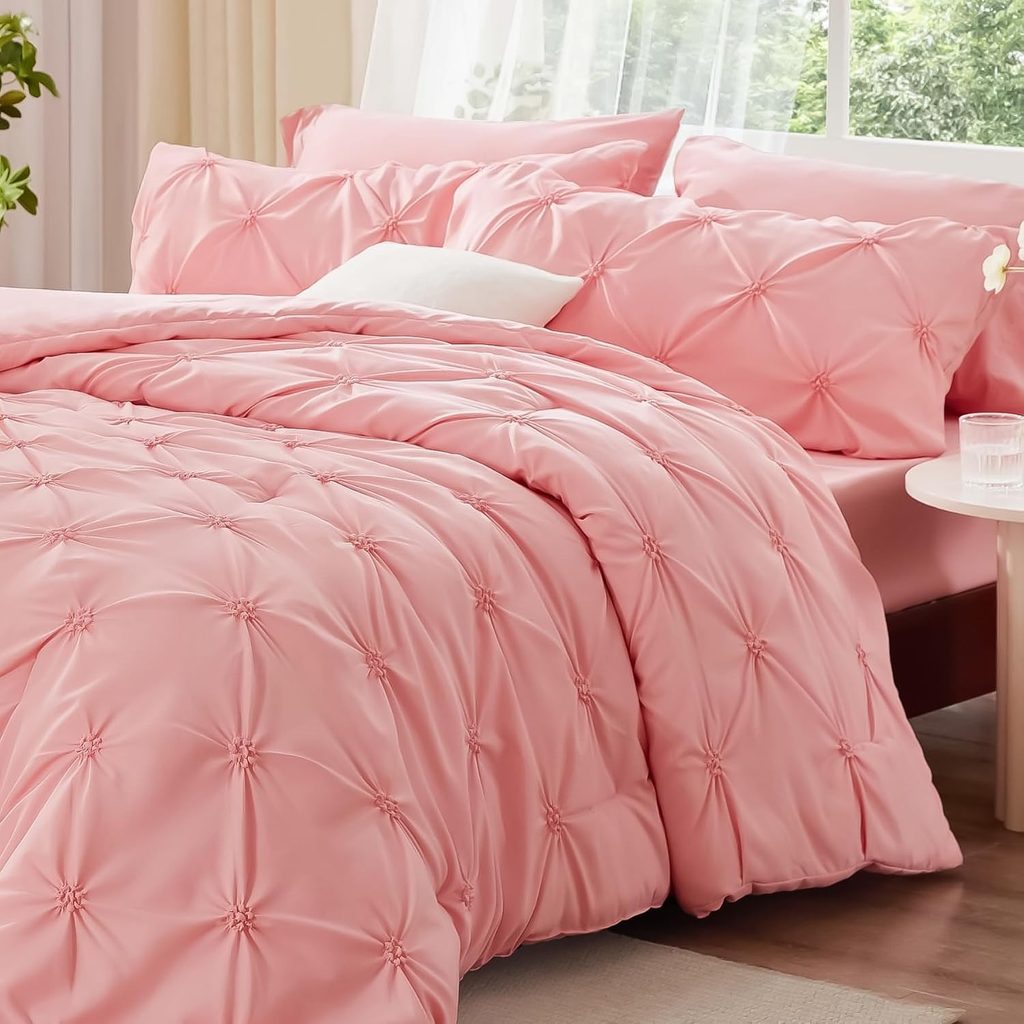
There’s a particular kind of bedroom that feels lived-in without feeling messy, layered without feeling cluttered, and personal without trying too hard. That look almost always comes down to the bedding. Boho bedding has become the go-to answer for people who want their bedroom to feel like a retreat rather than a showroom display, and the reason is simple: it mixes texture, pattern, and warmth in a way that structured, matched sets rarely achieve. If your room currently looks fine but not quite finished, the bedding is often the missing piece.
This isn’t about buying a single blanket and calling it done. Boho bedding works because of how pieces interact with each other, ruffled edges against smooth cotton, muted earth tones against a pop of color, a body pillow that softens the whole arrangement. Anyone who has tried to recreate a cozy, curated look with plain hotel-style linens knows the difference is night and day. Below, we’ll walk through why this style works, how to build it in your own space, and what actually makes it hold up over time instead of looking tired after a few washes.
What Makes Boho Bedding Different From Standard Sets
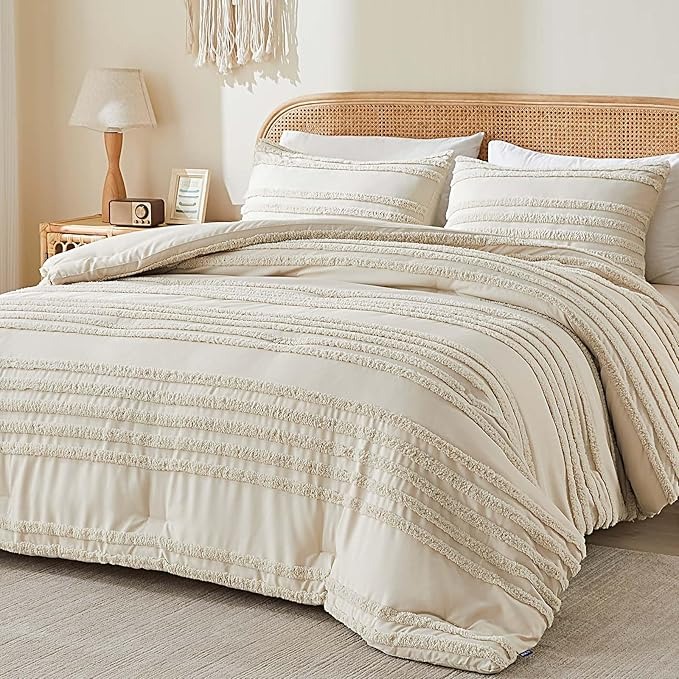
Most conventional bedding sets are designed around uniformity, matching pillowcases, a flat top sheet, and a comforter that repeats one pattern across the whole surface. Boho bedding flips that approach. It leans on layering: a textured comforter as the base, a contrasting throw folded at the foot of the bed, and accent pillows that don’t all match but somehow still belong together. The goal isn’t perfect symmetry, it’s balance.
That distinction matters for people who’ve felt frustrated buying “matching” sets that end up looking flat in person. A boho arrangement gives you room to add or remove pieces without breaking the look, which is far more forgiving for everyday life, kids jumping on the bed, pets curling up on top, or just the wear of nightly use.
Texture Is the Real Workhorse
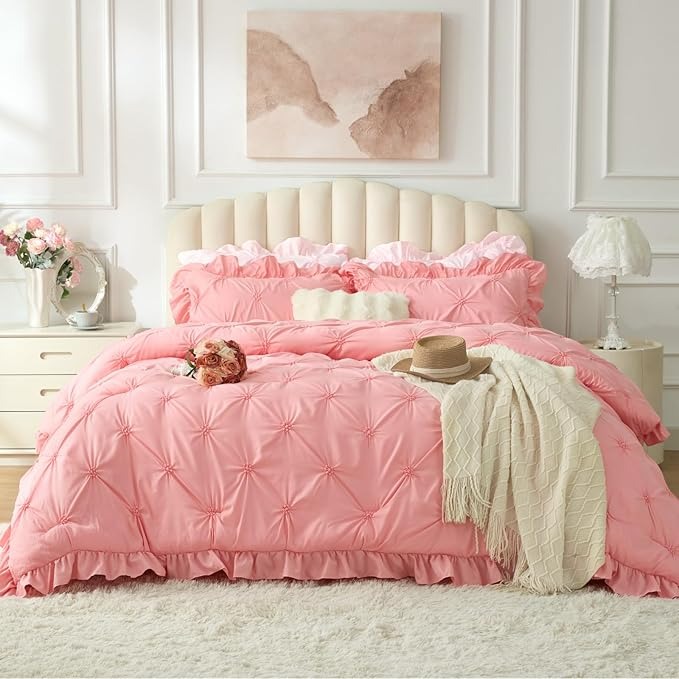
Ruffles, pintuck stitching, and knit weaves do a lot of the visual heavy lifting in boho bedding. A ruffled comforter catches light differently than a flat one, which is why it photographs well and looks good in person even in low light. If you’re picking pieces individually, prioritize texture variety over color matching, two neutral pieces with different textures will look more intentional than two pieces in the exact same shade of beige.
Choosing Pieces for Your Actual Room, Not a Photo
A lot of bedding disappointment comes from buying based on a styled photo rather than your room’s actual lighting and wall color. Warm-toned walls pull colors differently than cool white walls. Before buying, look at your room in both daylight and lamp light, since boho palettes often rely on warm neutrals that can look muddy under harsh overhead lighting.
If you’re working with a small bedroom, a lighter comforter set with subtle texture will keep the space feeling open, while a heavier pattern can overwhelm the room. In larger bedrooms, you have more freedom to layer bolder pieces like a patterned throw or an oversized body pillow without it feeling like too much.
Building From the Bed Up
Start with the comforter as your foundation, then decide on one accent piece before adding more. A common mistake is buying five accessories at once and ending up with visual noise instead of a curated look. Add the comforter, live with it for a few days, then bring in a throw or a body pillow cover once you know what the space is asking for.
Practical Needs: Comfort, Washability, and Longevity
Style aside, bedding still needs to function. People shopping for boho bedding are often also trying to solve for warmth without overheating, especially in shared beds where two people have different temperature preferences. Breathable cotton and cotton-blend fabrics tend to perform better here than heavier synthetic fills, since they regulate temperature more naturally across seasons.
Washability is another practical concern that gets overlooked until it’s a problem. Ruffled and pintuck details can snag or lose shape if machine washed on high agitation settings. Using a gentle cycle and air-drying accent pieces when possible will keep the texture looking crisp instead of flattened after a handful of washes.
Matching Pillow Covers to the Whole Look
A body pillow cover with a zipper closure is a small detail that makes a real difference in daily use, since you can remove and wash the cover without wrestling the insert in and out through an opening that’s too tight. It’s a minor thing until you’ve dealt with the alternative a few times.
Layering for Different Seasons
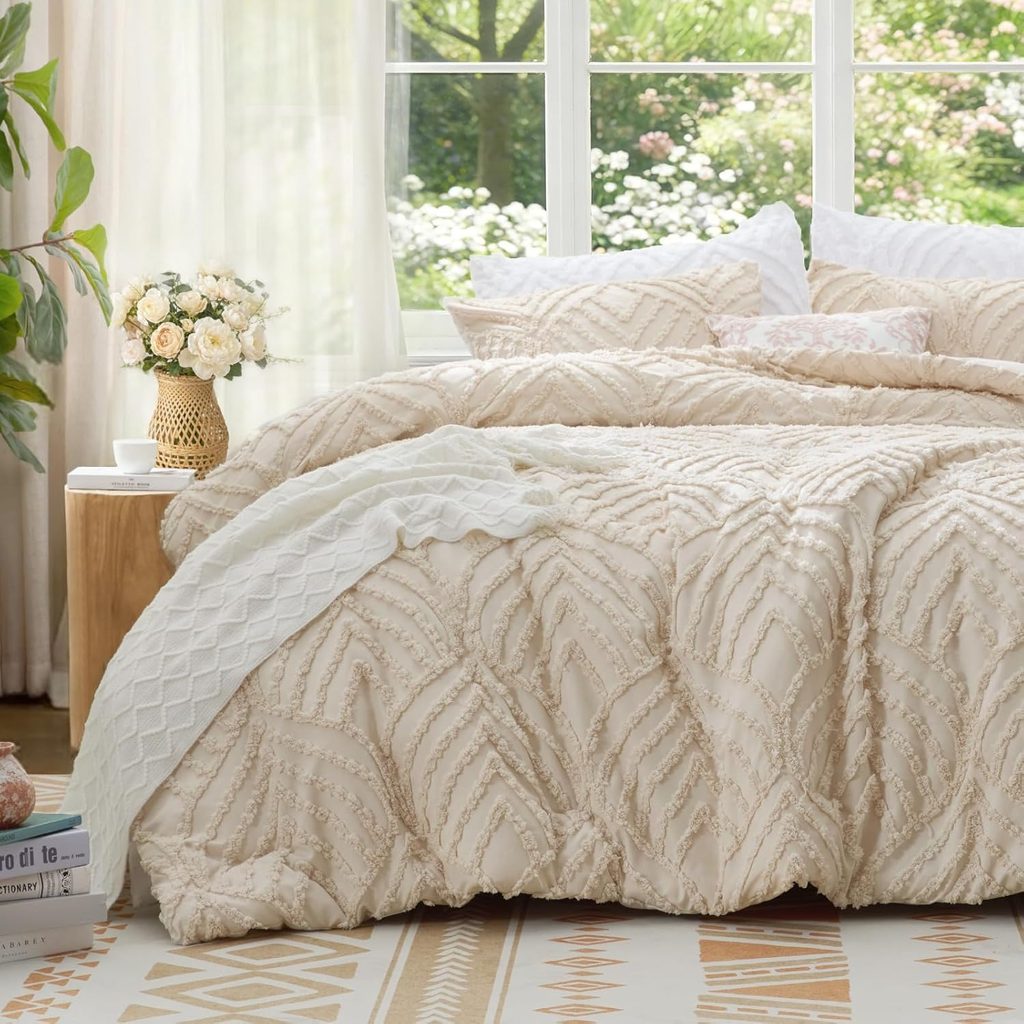
One advantage of the boho approach is that it adapts across seasons more easily than a single fixed set. In cooler months, add a heavier knit throw over the comforter for extra warmth and visual depth. In warmer months, pull that throw off and let the lighter comforter and pillow covers carry the look on their own. This means you’re not buying entirely separate bedding for winter and summer, just adjusting the layers.
Bedelite’s approach to boho collections reflects this same layering philosophy, building pieces that work individually but are clearly designed to be mixed with others in the same tonal family. That’s a useful thing to look for regardless of where you shop: pieces that can stand alone but were clearly designed with layering in mind.
Ruffle and Pintuck Care Tips
To keep ruffled and pintuck pieces looking their best, avoid overstuffing the washing machine, since these details need room to move freely during the wash cycle to avoid crushing. A lower spin speed also helps preserve the shape of the pleats over repeated washes.
Bringing It All Together
The most common regret people have after a bedding refresh isn’t the style they chose, it’s buying too much at once without testing how the pieces feel in the room first. A slower, more intentional build, comforter first, then one or two accents, tends to produce a result people are happier with long term. It also saves money, since you’re not returning pieces that didn’t end up working.
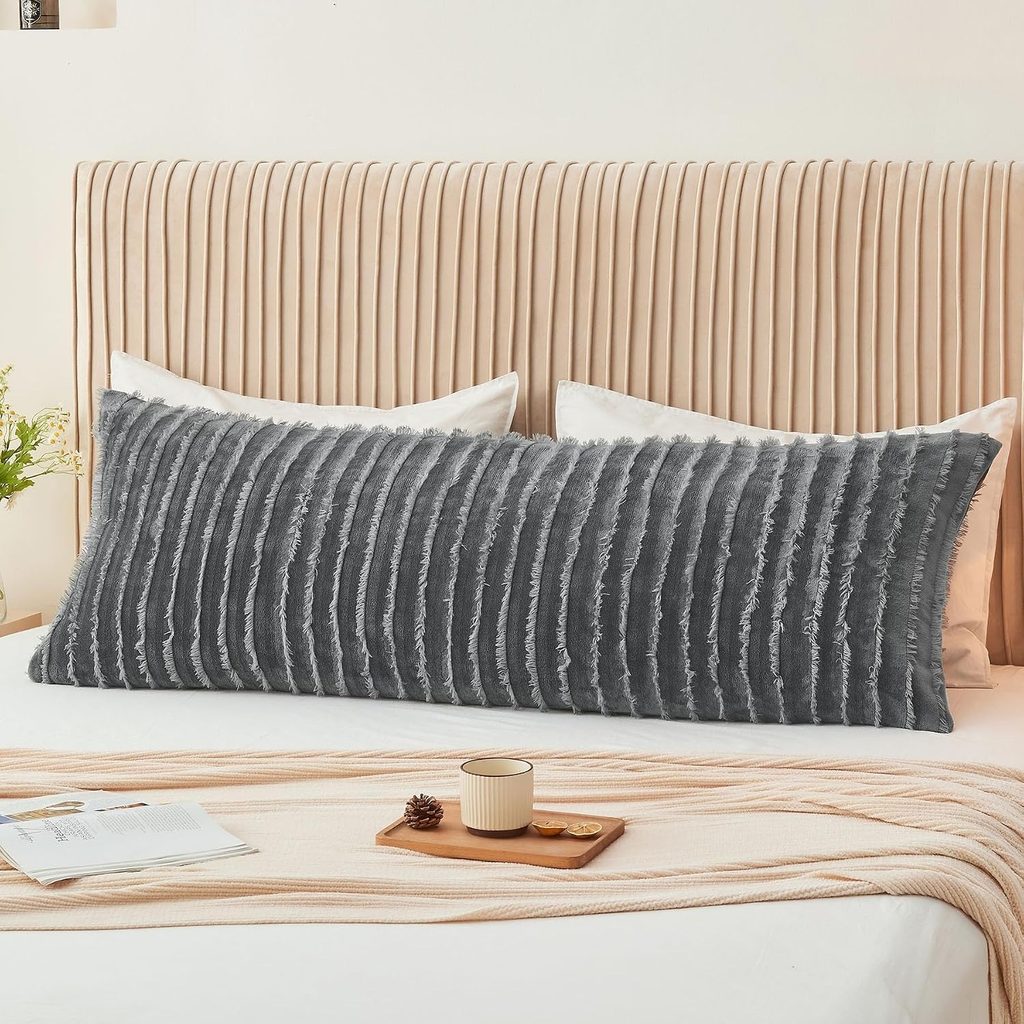
If you’re aiming for a bedroom that feels calm, textured, and a little bit personal, boho bedding gives you the flexibility to get there without committing to one rigid look forever.
Building a Bedroom That Feels Like Yours
A great boho bedroom doesn’t happen from one purchase, it happens from thoughtful layering over time. Start with a solid comforter, add texture gradually, and pay attention to how the pieces actually look in your room’s light rather than in a product photo. Care for the details, ruffles, pintuck stitching, zippered covers, and they’ll keep their character through regular use instead of flattening out. Done well, boho bedding turns an ordinary bedroom into a space that feels considered, comfortable, and distinctly yours.
