A smart casino table is not ready for live operation simply because its reader detects an RFID chip or its dealer terminal connects to the management platform.
RFID-enabled chips, configured reading zones, table equipment and management software must work together within the actual operating environment. A system that performs correctly during a demonstration may behave differently after installation because the table structure, antenna position, chip stack, surrounding equipment and network configuration have changed.
An RFID-enabled casino table should be tested using its final layout and equipment configuration. Image: CTSOK.
Pre-opening testing must therefore examine the complete operational path—from the physical chip placed on the table to the record reviewed by authorized staff.
Begin With the Final Table Configuration
Testing should be performed on the actual table layout that will be used during operation.
Temporary surfaces and unfinished table structures cannot fully represent the final reading environment. Materials beneath the layout, the position of electronic equipment and the distance between adjacent betting areas may influence how a reading zone performs.
Operators should test chips at several points within each configured area, including:
- the center of the betting position;
- the outer edges of the reading area;
- the boundary between neighboring positions;
- areas close to table equipment or chip trays;
- positions where players commonly place larger chip stacks.
The objective is not merely to produce a successful read. The system must detect the chip within the intended zone without incorrectly assigning it to another betting position.
This is why a longer reading distance is not automatically better. On a gaming table, controlled zone separation may be more important than maximizing the distance from which a chip can be detected.
Test Chip Stacks Under Realistic Conditions
A single RFID chip placed flat in the middle of a reading zone is a useful starting point, but it does not represent every table situation.
Operational testing should include different stack arrangements and placement conditions, such as:
- short and tall stacks;
- stacks containing multiple denominations;
- chips placed slightly off-center;
- two stacks positioned close together;
- chips added to an existing stack;
- chips removed during the expected workflow;
- registered and unregistered test chips;
- inactive or restricted test identifiers.
These tests help determine whether the system can consistently associate detected identifiers with the correct table and reading area.
They also reveal an important distinction between technical detection and operational accuracy. A reader may successfully detect a chip while the software associates it with the wrong position or table event. In that situation, the electronic read succeeded, but the operational result did not.
Verify the Complete Data Path
An RFID identifier does not describe a complete wager.
It can indicate which registered electronic identity was detected, but the system still needs operating context before that detection becomes a meaningful table record.
Depending on the installed configuration, this context may include:
- table identification;
- reading-zone identification;
- date and time;
- current table session;
- round or workflow stage;
- chip registration status;
- authorized user actions;
- information from connected table equipment.
Testing should follow the complete data path:
Registered chip → Configured reading zone → Table equipment → Operating context → Management record → Authorized review
If one stage is missing or incorrectly configured, the final record may be incomplete even though the chip was successfully read.
Confirm What the RFID Record Can Establish
An RFID chip identifier should not be treated as proof of everything that occurred at the table.
A detected identifier may help establish which registered chip entered a configured reading environment. When combined with table, zone and time information, it can support a structured operational record.
However, the identifier alone does not prove:
- who physically placed the chip;
- whether the dealer accepted the wager;
- which game result applied;
- whether a payout was correct;
- why a chip was moved;
- whether an unusual event was accidental or deliberate.
Those conclusions require information from the operating procedure, table workflow and other available records. In some situations, authorized staff may also need to review surveillance footage or speak with the employees involved.
The management platform supports an investigation by organizing relevant information. It does not replace the people responsible for interpreting that information.
Use a Structured Acceptance-Test Matrix
A practical test matrix helps operators verify that important conditions are examined consistently before the table enters service.
| Test Area | What to Check | Why It Matters |
| Zone coverage | Chips are detected throughout the intended betting area | Identifies weak or incomplete detection areas |
| Zone separation | Chips near a boundary remain associated with the correct position | Reduces incorrect position attribution |
| Stack handling | Different stack heights and mixed denominations are tested | Represents more realistic table use |
| Chip registration | Registered, inactive and unregistered test chips produce the expected status | Verifies registration and exception rules |
| Table association | Events are connected with the correct table | Prevents records from being assigned to the wrong operating location |
| Round context | Reads appear within the appropriate workflow stage | Turns identification data into a usable table record |
| User permissions | Each account can access only its authorized functions | Protects operational and administrative controls |
| Communication recovery | The system follows the expected process after an interruption | Tests operational continuity |
| Record retrieval | Authorized staff can locate and review previous events | Supports reconciliation and investigation |
The matrix should be adapted to the specific game and installation. A baccarat table, blackjack table, cage workstation and chip-inventory station do not necessarily require the same detection boundaries or operating procedures.
Check User Roles and Manual Actions
Connected technology does not remove human responsibility from casino operations. It changes how actions can be recorded, reviewed and controlled.
Before launch, the operator should verify which accounts are permitted to:
- open or close a table session;
- register, activate or deactivate chips;
- acknowledge an exception;
- enter a manual correction;
- review historical table records;
- export operational reports;
- change equipment or system settings;
- manage other user accounts.
Employees should not automatically receive access to every function simply because they use the same platform.
Manual adjustments also require attention. A corrected record should not make it impossible to understand what the system originally received.
Where the configured software provides adjustment histories, the test should confirm whether authorized reviewers can identify the user account, time and reason associated with a change.
This allows the system to support reconciliation while recognizing that automation and manual actions both require oversight.
Test Communication Interruptions Before Opening
Casino-floor equipment operates in a live network environment. Connections can be interrupted, terminals may restart and individual devices may need maintenance or replacement.
Acceptance testing should therefore include controlled interruption scenarios.
Operators need to understand what happens when communication between table equipment and the management platform is temporarily unavailable. Useful questions include:
- Does the terminal clearly display its connection status?
- Are incomplete events retained, rejected or marked for review?
- Can staff identify the last successfully recorded event?
- How does the system respond after communication is restored?
- What prevents the same event from being submitted twice?
- Which recovery actions require supervisor authorization?
- Are technical errors distinguishable from operational exceptions?
The answers depend on the deployed hardware, software version, network design and configured procedures. They should be confirmed during testing rather than assumed from a general product description.
Review Reports Against Source Events
A dashboard may display table status, chip information and operational summaries, but the visible interface is only the final layer of the system.
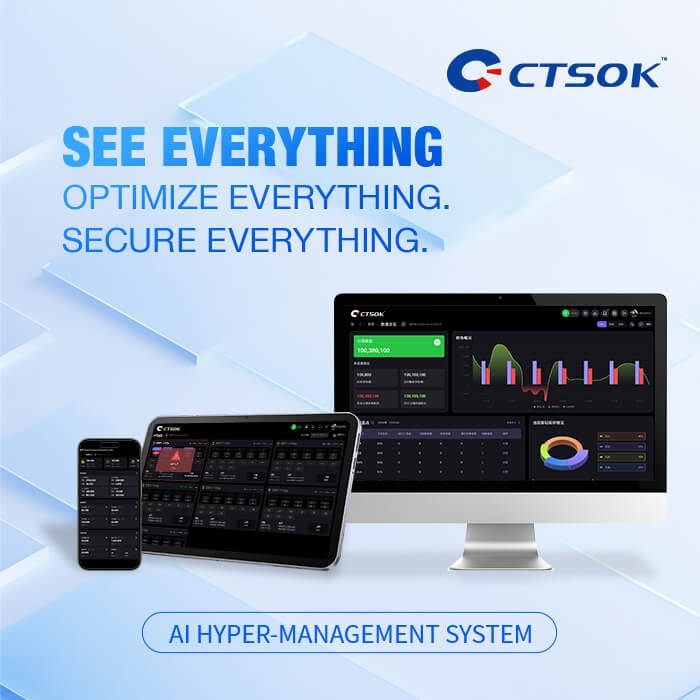
Management interfaces should be checked against controlled source events recorded at the table. Image: CTSOK.
Operators should select a controlled group of test events and follow them from the table to the corresponding report. This helps confirm that the displayed information is derived from the correct source records.
The review should examine whether:
- the table and reading zone are identified correctly;
- timestamps follow the intended system configuration;
- registered chip information appears as expected;
- later adjustments remain distinguishable;
- exceptions can be located by authorized users;
- report filters return the intended records;
- exported information preserves the necessary context.
A polished report is not useful if its underlying events cannot be traced to the correct table and workflow.
Test the Connected Equipment, Not Only the Reader
An RFID reader is one component within a wider table-management environment.
A practical installation may include chips, configured reading areas, a dealer terminal, a card shoe, a result display, table-side controls and centralized management software. Each component has a separate function, but its operational value depends on how it exchanges information with the rest of the system.
The chip provides an electronic identity. The reading zone provides a controlled detection point. Table-side equipment associates the event with an operating location, while the management platform stores and organizes authorized records.
For operators evaluating connected table operations, the CTSOK casino management system combines RFID-enabled chips, table equipment and management software within a configurable technology environment.
The functions available in a particular installation depend on the selected equipment, software modules, game procedures, existing infrastructure and applicable operating requirements.
Testing only the RFID reader leaves too many unanswered questions. The complete installation must be examined as one operating workflow.
Include Dealers, Supervisors and Technical Staff
Technical acceptance should not be performed only by the installation team.
Different employees observe different parts of the table process:
- Dealers understand the physical game workflow and normal chip-handling actions.
- Supervisors understand table-opening, exception and approval procedures.
- Cage personnel understand chip issuance, redemption and inventory controls.
- Technical staff understand equipment status, communication and recovery.
- Security personnel understand when electronic records may need to be compared with physical events.
- Compliance personnel determine which records and controls must be maintained.
Including these roles helps identify situations that may not appear during a basic equipment demonstration.
A reading configuration can be technically functional while still being inconvenient for dealers, unclear to supervisors or inconsistent with an established control procedure.
Document the Approved Configuration
Once testing is complete, the accepted configuration should be documented.
The record may include:
- the approved table layout;
- equipment identification;
- reading-zone configuration;
- software version;
- network configuration;
- user-role structure;
- completed test cases;
- known limitations;
- procedures requiring manual review.
This documentation creates a reference point for future maintenance.
If equipment is moved, a table layout is replaced or a system setting changes, the operator can determine whether the modification affects the previously approved configuration. Relevant tests can then be repeated instead of assuming that the system will continue to behave in exactly the same way.
Testing should therefore be treated as an ongoing control process, not a one-time installation ceremony.
A Smart Table Is Ready Only When the Workflow Is Ready
The final question is not simply whether the RFID reader can detect a chip.
A smart casino table is ready for operation when:
- registered chips are detected within the intended areas;
- neighboring zones remain properly separated;
- table events receive the correct operating context;
- user permissions follow defined responsibilities;
- interruptions produce a controlled response;
- records can be retrieved and reviewed;
- staff understand the required operating procedures;
- the approved configuration has been documented.
A successful electronic read is only the beginning. Operational readiness depends on whether the complete path from chip detection to authorized review works consistently under realistic conditions.
