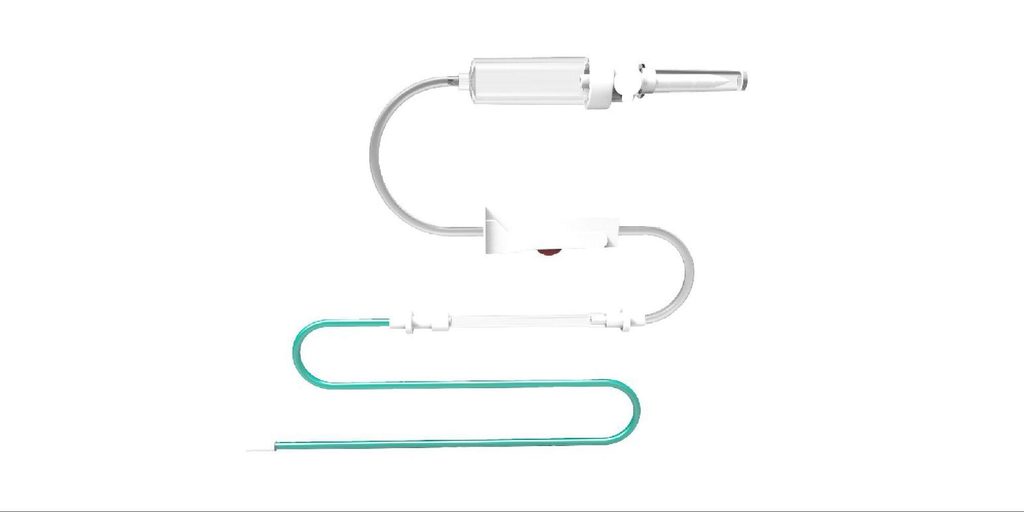
Irrigation is one of those quiet workhorses of oral surgery. Nobody in the operatory talks about it during a routine day, yet the moment fluid delivery fails during an osteotomy or a bone graft, the whole procedure grinds to a halt. Behind every clean field and every cool bur is a small, flexible line doing exactly what it is supposed to do — and when that line is compromised, both the surgeon and the patient feel the consequences immediately. For dental teams that place implants, perform extractions, or handle regenerative work, understanding irrigation tubing is not a minor purchasing detail. It shapes sterility, workflow speed, and even how long expensive handpieces last. This guide walks through what irrigation tubes actually do, how to evaluate the ones you buy, and where clinics most often go wrong. The goal is a setup that supports the surgeon rather than getting in the way.
Why Irrigation Tubes Matter in Oral Surgery
Continuous saline delivery does two things simultaneously: it cools the surgical site to prevent thermal necrosis of bone, and it flushes debris away so the operator can actually see what is being cut. Both roles depend on a steady, predictable flow rate. A kinked, brittle, or poorly seated irrigation tube disrupts that rhythm and pushes the surgeon to compensate mid-procedure, which is exactly the wrong time to be adjusting equipment. Bone temperatures above 47°C for as little as a minute can trigger osteocyte death, and the margin between safe drilling and a damaged osteotomy bed is thinner than most manuals suggest. High-quality tubing keeps the coolant path uninterrupted from the saline bag to the bur, which is why senior surgeons treat it as clinical hardware, not disposable filler. In busy implant offices, small failures accumulate: a chair-time delay here, a rescheduled graft there. Reliable tubing quietly prevents the sort of variability that erodes both outcomes and margins.
Understanding Materials and Sterility Requirements
Most modern irrigation lines are made from medical-grade PVC or silicone, chosen for flexibility, transparency, and compatibility with peristaltic pump rollers. Transparent walls let staff verify flow at a glance, which matters when the pump is behind the surgeon and the bur is inside a patient. Wall thickness determines how the tube behaves under pump compression: too thin and it collapses, too thick and it resists the roller and delivers uneven volume. Ethylene oxide or gamma sterilization is standard for factory-packaged single-use options, and the sterile barrier should stay intact until the tube reaches the sterile field. Any packaging that arrives damaged, damp, or past its expiration date should be pulled from circulation immediately — a compromised barrier is a compromised procedure.
Single-Use vs Reusable Options
Single-use tubing has become the default in most implant practices, and for good reason. Blood, bone particles, and organic debris can lodge inside a lumen in ways that even ultrasonic cleaning struggles to fully resolve. Reusable systems demand strict reprocessing protocols, validated cleaning cycles, and documentation that many clinics simply cannot maintain reliably. Single-use lines eliminate that burden and remove a real cross-contamination pathway between patients. The tradeoff is inventory management and per-case cost, which most surgical offices absorb without difficulty given the volume of implant and extraction procedures. When choosing a supplier, verify that each tube is individually pouched, clearly labeled with lot numbers, and traceable — that traceability becomes essential if a batch is ever recalled.
Fitting Irrigation Tubes Into Daily Clinical Workflow
Irrigation tubing does not exist in isolation. It connects a saline source, a peristaltic pump built into the surgical motor, and a handpiece with an external or internal coolant channel. If any one of those interfaces is off — wrong luer connector, wrong bur adapter, wrong drip chamber orientation — the whole setup fails. Standardizing on a single tubing family across the clinic reduces the number of small errors that occur when an assistant grabs the close-enough option from a drawer during a case. It also shortens setup time, because muscle memory takes over instead of trial and error.
Setup and Cross-Compatibility
Before a case begins, walk the tube visually from bag to handpiece. Check that the drip chamber is upright and half-filled, that the pump segment sits properly in the roller housing, and that the handpiece connector clicks fully home. Prime the line until saline exits the bur tip cleanly, not in sputters. This thirty-second ritual catches nearly every common failure — air locks, loose fittings, unopened roller clamps — before the patient is even numbed. Compatibility matters just as much: implant motors from different manufacturers use different pump segment diameters, and forcing a mismatched tube into place is how pumps get damaged. Plovio’s irrigation lines are designed to fit the major surgical motor platforms, which simplifies procurement for practices that run more than one system in the same operatory.
Signs That Your Current Tubing Needs an Upgrade
Some warnings are obvious: visible cracks, cloudy walls, or connectors that no longer seat firmly. Others are quieter. Inconsistent flow at a fixed pump setting usually means the tube wall is fatiguing and the roller is no longer compressing it uniformly. Frequent air bubbles suggest a loose luer fitting or a microscopic tear near a joint. Surgeons reporting more debris in the field than usual may be dealing with a partial obstruction, often from packaging particulates that were never flushed out during priming. Assistants noticing that setup takes noticeably longer than it used to are often working around small failures they have stopped mentioning. Whenever these patterns appear, audit the current supply rather than blaming technique. Switching to a better-manufactured tube frequently resolves complaints that seemed to be about the pump or the handpiece.
Key Takeaways for a Safer Irrigation Setup
Irrigation tubing sits at the intersection of sterility, thermal safety, and workflow efficiency — three things that determine whether a surgical day runs smoothly or leaves the team exhausted and rushed. The right tube is transparent, consistently manufactured, correctly sterilized, and matched to the motor and handpiece it will serve. Single-use options remove reprocessing risk and simplify traceability, which is why most modern implant clinics have moved to them entirely. Regular walk-throughs of the fluid path, disciplined priming, and honest attention to small signs of wear will keep problems from escalating during a case. Treat irrigation as clinical hardware rather than a consumable afterthought, and the rest of the surgical setup performs the way it was designed to.
