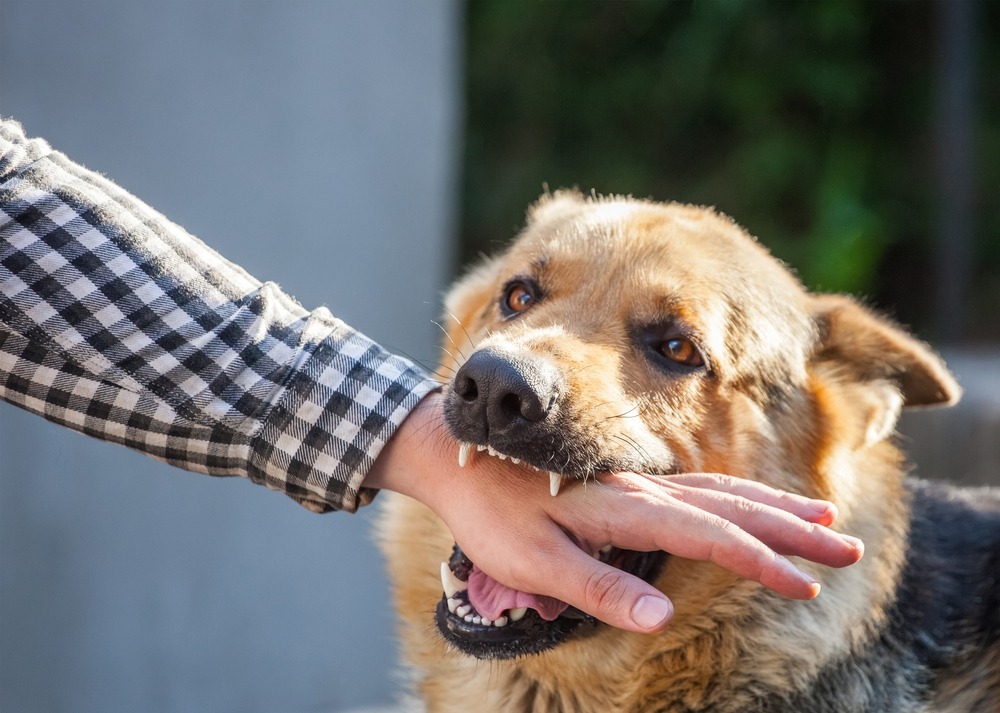
A dog bite can leave behind more than a painful wound. It can also raise questions about responsibility, the dog’s earlier behavior, and the injury’s lasting effects. In Houston, TX, these questions can matter as much as the medical records. A Houston dog bite attorney may build a case by connecting the facts of the attack with information that supports responsibility and the losses that followed.
That process takes more than collecting papers. It requires a clear story supported by reliable details. From the first account of the attack to records showing long-term effects, each part can help create a stronger claim for an injured person. This broader view can keep important facts from being overlooked during the case.
Start With a Clear Account of the Attack
Every case begins with the basic facts. A detailed account can show what happened before, during, and after the bite. Details may become important if people describe the incident differently.
The account should cover:
- The date, time, and location of the attack
- How the dog approached the injured person
- Whether the dog was loose, leashed, or restrained
- Who owned or controlled the animal
- What nearby people saw or heard
- Whether the owner gave any warning
A clear timeline can separate facts from assumptions and show what still needs confirmation.
Look for What Came Before the Bite
A dog’s earlier behavior may provide useful context. A claim may have stronger support if records show that the owner received warnings about aggressive behavior or knew about an earlier incident.
Possible information may include:
- Previous complaints involving the dog
- Earlier bites or attacks
- Reports of threatening behavior
- Warnings given to the owner
- Leash or animal-control violations
These details do not automatically prove liability. They may explain what the owner knew and whether reasonable steps could have reduced the risk.
Preserve Useful Evidence Early
Evidence can disappear or become harder to find. A security camera may record over old footage, and a witness may forget details. Conditions at the location may also change.
A lawyer may look for:
- Photographs of injuries, clothing, and the attack area
- Medical records, bills, prescriptions, and treatment notes
- Animal control or incident reports
- Names and contact details of witnesses
- Security, doorbell, or other video footage
- Dog ownership and vaccination records
Keeping these materials organized makes the case easier to review and compare with statements from the owner, witnesses, or insurer.
Document More Than the Initial Injury
A dog bite may heal quickly, or treatment may continue for months. Some injuries can leave scars, nerve problems, movement limits, or emotional distress. Financial effects may continue after the first medical visit.
An injured person should track changes during recovery. Useful records may include:
- Follow-up appointments and recommended treatment
- Medical expenses and related travel costs
- Time missed from work
- Changes in daily activities
- Counseling or other support for emotional distress
- Future treatment recommended by medical professionals
This information shows the full effect of the injury rather than only the original wound. It can also separate short-term costs from losses that may continue.
Houston, TX Dog Bite Cases May Face Insurance Questions
Insurance companies often review the facts closely before deciding whether to pay a claim. They may question how the attack happened, whether the injured person contributed to the incident, or whether claimed injuries are connected to the bite.
A well-prepared claim should contain consistent information. Medical records can explain the injuries. Witness accounts may support what happened. Photos can show the wounds and their progress. Other records may help establish ownership or responsibility.
Communication should remain factual. Statements made without complete information may create confusion later. An attorney can review the facts and help address disputes while keeping attention on the injured person’s losses.
Connect the Facts Into One Strong Case
Strong cases are not built from one document or statement. They come from showing how separate facts fit together.
The investigation may connect:
- The dog and its owner
- The circumstances surrounding the attack
- Earlier warnings or concerning behavior
- Witness and video evidence
- Medical treatment caused by the injury
- Financial and personal effects
This connection matters because liability and damages are different parts of a claim. Evidence about a dog’s past may help address responsibility, while medical and financial records explain the harm caused by the attack. That can clarify claims.
A review can also expose gaps. If a witness has not been contacted, a report is missing, or a video may still exist, finding that gap early can help make the case more complete.
A Strong Case Tells a Complete Story
Building a dog bite case means bringing many details together clearly. The account of the attack provides the starting point, while prior warnings, witness information, reports, photographs, and other records can add support. Medical and financial documentation shows how the injury affected the person beyond initial treatment.
A Houston dog bite attorney can help review these details, identify missing information, and connect the evidence to responsibility and compensation. For an injured person, preserving information early and keeping careful records can make it easier to present a complete account of what happened and the losses that followed.
