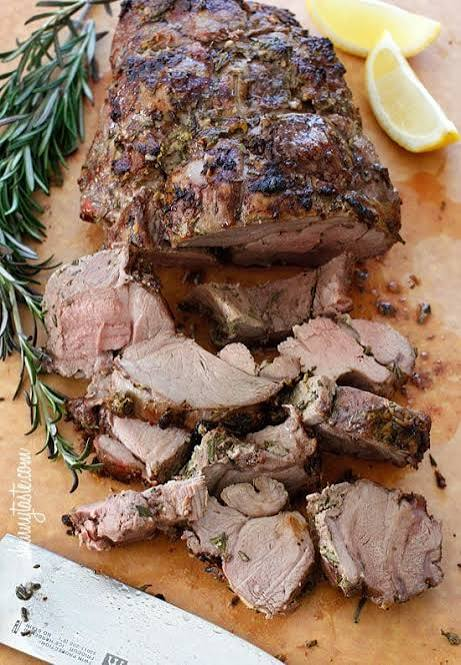
Roasting a boneless leg of lamb is a culinary tradition cherished by many for its rich flavor and tender texture. Achieving the ideal roast requires attention to detail, especially when it comes to oven temperature. The right temperature not only ensures the meat is cooked through but also preserves its juiciness and enhances its natural flavors. Whether you are preparing a meal for a festive occasion or a family dinner, understanding the nuances of roasting temperatures can make all the difference. This guide will help you discover the optimal temperature for roasting a boneless leg of lamb and provide tips for achieving a succulent result every time.
What to Expect When Roasting Lamb
Understanding Oven Temperatures for Lamb
Selecting the right oven temperature is crucial when roasting a boneless leg of lamb. The temperature you choose will influence the texture, moisture, and flavor of the finished dish. Generally, roasting lamb at a moderate temperature, such as 325°F (163°C), allows the meat to cook evenly and retain its juices. Higher temperatures, like 400°F (204°C), can create a crispier exterior but may risk drying out the meat if not monitored closely. On the other hand, lower temperatures, such as 275°F (135°C), result in a slower roast, which can enhance tenderness but requires more time and attention. The size and thickness of the lamb leg also play a role in determining the appropriate temperature and cooking time. Using a meat thermometer is highly recommended to ensure the lamb reaches the desired doneness, whether you prefer it rare, medium, or well-done. By understanding how oven temperature affects the roasting process, you can tailor your approach to suit your taste preferences and achieve a delicious outcome.
The Role of Resting and Carryover Cooking
After removing the lamb from the oven, it is essential to let it rest before carving. Resting allows the juices to redistribute throughout the meat, resulting in a more flavorful and moist roast. During this period, the internal temperature of the lamb will continue to rise slightly, a phenomenon known as carryover cooking. This means that if you want your lamb to be medium-rare, you should take it out of the oven when it is a few degrees below your target temperature. For example, if you are aiming for an internal temperature of 135°F (57°C) for medium-rare, remove the lamb when it reaches about 130°F (54°C). Cover the roast loosely with foil and let it rest for at least 15 to 20 minutes. This simple step can make a significant difference in the final texture and flavor of your lamb, ensuring that each slice is juicy and tender.
Achieving Flavorful Results with Seasoning
Seasoning plays a vital role in enhancing the natural flavors of lamb. Before roasting, it is important to generously season the meat with salt, pepper, and your choice of herbs and spices. Classic combinations include garlic, rosemary, thyme, and lemon zest, which complement the rich taste of lamb without overpowering it. For those seeking inspiration, a boneless lamb leg recipe often incorporates a marinade or rub that infuses the meat with additional layers of flavor. Allowing the lamb to marinate for several hours or overnight can further tenderize the meat and deepen its taste. When roasting, the seasoning forms a flavorful crust on the outside, while the interior remains juicy and succulent. Experimenting with different herbs and spices can help you create a signature roast that reflects your personal preferences and culinary style.
Tips for Even Cooking
Ensuring even cooking is essential for a successful roast. Start by bringing the lamb to room temperature before placing it in the oven, as this promotes uniform heat distribution. Trussing the boneless leg with kitchen twine helps maintain its shape, allowing it to cook more evenly. Placing the lamb on a rack in a roasting pan elevates it, enabling hot air to circulate around the meat and preventing the bottom from becoming soggy. Basting the lamb periodically with its own juices or a flavorful broth can also help keep the meat moist throughout the roasting process. Monitoring the internal temperature with a reliable meat thermometer is the most accurate way to gauge doneness and avoid overcooking. By following these steps, you can achieve a roast that is evenly cooked from edge to center, with a beautifully browned exterior and a tender, juicy interior.
How Long Should You Roast Lamb?
The roasting time for a boneless leg of lamb depends on its weight, the oven temperature, and your preferred level of doneness. As a general guideline, roasting at 325°F (163°C) will require about 20 minutes per pound for medium-rare. However, this can vary based on the thickness of the meat and whether it is stuffed or unstuffed. It is important to check the internal temperature regularly, as ovens can vary and factors such as bone-in versus boneless cuts can affect cooking times. For a medium-rare finish, aim for an internal temperature of 135°F (57°C), while medium requires about 145°F (63°C). Remember to account for carryover cooking during the resting period, as the temperature will continue to rise slightly after the lamb is removed from the oven. Adjusting the roasting time and temperature to suit your preferences will help you achieve the perfect roast every time.
Quick Guide to Roasting Temperatures
For a tender and juicy roast, most cooks recommend an oven temperature between 325°F (163°C) and 350°F (177°C). This range allows the lamb to cook evenly without drying out, resulting in a flavorful and satisfying meal.
Serving Suggestions and Pairings
Serving a roasted boneless leg of lamb is an opportunity to showcase complementary flavors and textures. Traditional accompaniments include roasted vegetables such as potatoes, carrots, and parsnips, which can be cooked alongside the lamb to absorb its savory juices. Fresh salads with bright, acidic dressings provide a refreshing contrast to the richness of the meat. Sauces like mint jelly, red wine reduction, or a simple pan gravy can enhance the overall dining experience. When it comes to wine pairings, robust reds such as Cabernet Sauvignon, Syrah, or Merlot are classic choices that complement the depth of flavor in roasted lamb. For a lighter option, a crisp white wine or rosé can also work well, especially when paired with herb-forward seasonings. Thoughtful side dishes and pairings can elevate your meal and create a memorable dining experience for family and guests alike.
Conclusion
Roasting a boneless leg of lamb to perfection is a rewarding culinary endeavor that hinges on selecting the right oven temperature and following a few essential techniques. By understanding how temperature affects the cooking process, allowing the meat to rest, and using flavorful seasonings, you can create a roast that is both tender and full of flavor. Paying attention to details such as even cooking and appropriate roasting times ensures a satisfying result every time. Whether you are preparing a festive meal or a simple family dinner, mastering the art of roasting lamb will allow you to enjoy this classic dish at its finest. With the right approach, your roasted lamb will be a centerpiece that delights everyone at the table.
