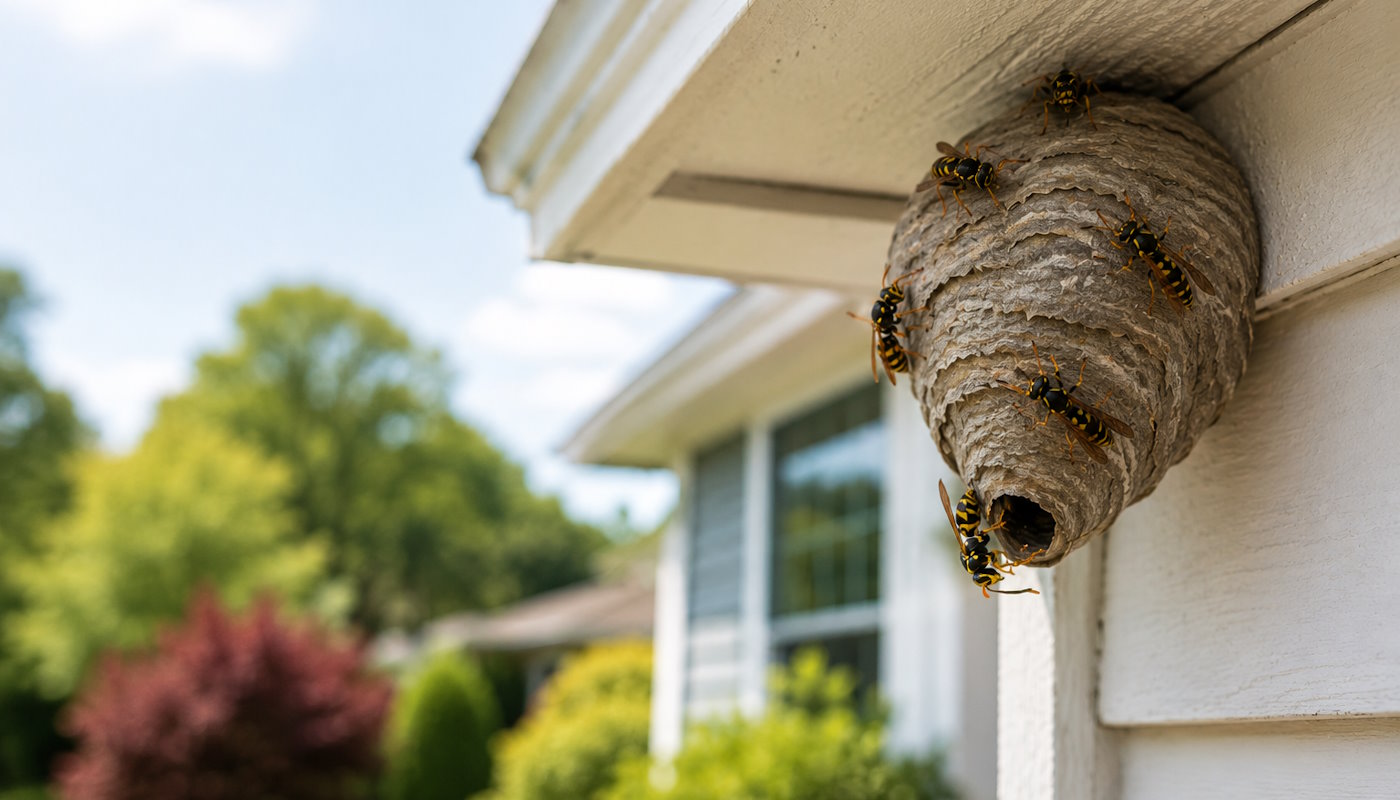
Wasps are a common sight around homes, especially during the warmer months when they become more active in search of food and nesting sites. Their presence can be alarming for homeowners, as wasps are known for their painful stings and aggressive behavior when threatened. Understanding why wasps choose to build nests near human dwellings is crucial for effective prevention and management. By learning about their nesting habits, what attracts them, and how to safely address infestations, homeowners can reduce the risk of unwanted encounters and maintain a safer, more comfortable living environment.
What to Expect in This Guide
Why Wasps Choose Residential Areas
Wasps are highly adaptive insects that seek out environments offering both shelter and access to food sources. Residential areas often provide an abundance of these resources, making them attractive nesting sites. Homes, sheds, eaves, and even outdoor furniture can offer the structural protection wasps need to build their nests. Gardens and yards with flowering plants, fruit trees, and compost bins supply a steady source of nectar, insects, and other food items that wasps rely on to feed their colonies. Additionally, the presence of water sources such as birdbaths, ponds, or leaky faucets can further entice wasps to settle nearby. The combination of shelter, food, and water makes homes an ideal location for wasps to thrive and expand their colonies throughout the season.
Common Types of Wasps Found Near Homes
Several species of wasps are commonly found nesting around homes, each with unique behaviors and nesting preferences. Paper wasps, for example, construct open, umbrella-shaped nests under eaves, decks, and porch ceilings. Yellowjackets, on the other hand, often build their nests underground or in wall voids, making them harder to detect until the colony is well established. Hornets, which are larger and more aggressive, typically create large, enclosed nests in trees or on building exteriors. Each species is drawn to different aspects of the home environment, but all share a preference for locations that offer protection from the elements and easy access to food. Homeowners may notice increased wasp activity during late spring and summer, as colonies grow and workers become more active in foraging and nest defense. For those seeking pest control in Topeka, understanding the specific type of wasp present can help determine the most effective approach to removal and prevention.
Risks Associated with Wasp Nests
The presence of wasp nests around homes poses several risks to residents and pets. Wasps are territorial and will aggressively defend their nests if they perceive a threat, leading to painful stings that can cause allergic reactions in some individuals. Multiple stings can be particularly dangerous for children, the elderly, and those with known allergies. In addition to the immediate health risks, wasps can disrupt outdoor activities, making it difficult for families to enjoy their yards or gardens. Pets may also be at risk if they inadvertently disturb a nest while playing outside. Furthermore, some wasp species can cause structural damage by chewing through wood or creating nests in wall cavities. Early detection and prompt action are essential to minimize these risks and prevent the colony from growing larger and more difficult to manage.
How Wasps Build Their Nests
Wasps are skilled builders, using materials readily available in their environment to construct intricate nests. Most social wasps, such as paper wasps and hornets, gather wood fibers from fences, decks, or trees, which they chew and mix with saliva to create a papery pulp. This material is then shaped into cells and layers, forming the familiar nest structures seen hanging from eaves or tree branches. The queen initiates the nest in early spring, laying eggs that hatch into workers who continue to expand and maintain the nest throughout the season. The location and size of the nest depend on the species and the availability of suitable building materials. Wasps are meticulous in their construction, ensuring the nest is well-protected from rain and predators. Understanding their building process can help homeowners identify early signs of nest formation and take preventive measures before the colony becomes established.
Preventing Wasps from Nesting Around Your Home
Preventing wasps from building nests near your home involves a combination of proactive maintenance and environmental management. Regularly inspecting your property for early signs of nest construction, such as small papery structures under eaves or in sheds, allows for prompt removal before the colony grows. Sealing cracks and gaps in walls, roofs, and around windows can reduce potential entry points for wasps seeking sheltered nesting sites. Managing food sources is also important; keeping garbage bins tightly sealed, cleaning up fallen fruit, and minimizing exposed sugary drinks or food outdoors can make your property less attractive to foraging wasps. Removing standing water and maintaining landscaping to reduce dense vegetation near the home further discourages nesting. By consistently applying these preventive measures, homeowners can significantly reduce the likelihood of wasps establishing nests in close proximity to living spaces.Taking proactive steps to address seasonal insect behaviors helps minimize unexpected infestations around residential areas. For property owners seeking dependable ways to secure their surroundings, consulting an expert in pest control in Helena can provide structured guidance and effective inspection schedules. Maintaining clean property margins limits nesting options, allowing families to comfortably utilize their backyards throughout the active summer months.
When to Seek Professional Help
If a wasp nest is located in a hard-to-reach area or has grown too large to safely remove, it is advisable to seek professional assistance. Attempting to remove a nest without proper equipment and knowledge can result in multiple stings and increased risk of injury. Professionals have access to protective gear and safe removal techniques that minimize harm to both residents and the environment. They can also identify the specific wasp species and recommend targeted solutions for long-term prevention. In cases where individuals have allergies or there are young children and pets in the home, professional intervention ensures the situation is handled safely and effectively. Prompt action is important, as wasp colonies can grow rapidly and become more aggressive as the season progresses.
Quick Tips for Immediate Wasp Problems
If you encounter a wasp nest unexpectedly or notice increased wasp activity, remain calm and avoid sudden movements that could provoke the insects. Keep windows and doors closed to prevent wasps from entering your home. If possible, mark the location of the nest and keep children and pets away from the area until it can be safely addressed. Avoid using household sprays or attempting to knock down the nest, as this can agitate the colony and increase the risk of stings. For immediate concerns, consider contacting a professional for advice on the safest course of action.
Conclusion
Wasps build nests around homes because residential environments offer abundant resources and shelter, making them ideal for colony growth. Their presence can pose health risks and disrupt daily life, but understanding their behavior and nesting habits is key to effective prevention and management. By maintaining your property, reducing attractants, and addressing nests promptly, you can minimize the likelihood of wasp infestations. When nests are difficult to access or pose a significant threat, seeking professional help ensures safe and thorough removal. Staying informed and proactive allows homeowners to enjoy their outdoor spaces with greater peace of mind, free from the dangers and discomfort associated with wasp nests.
