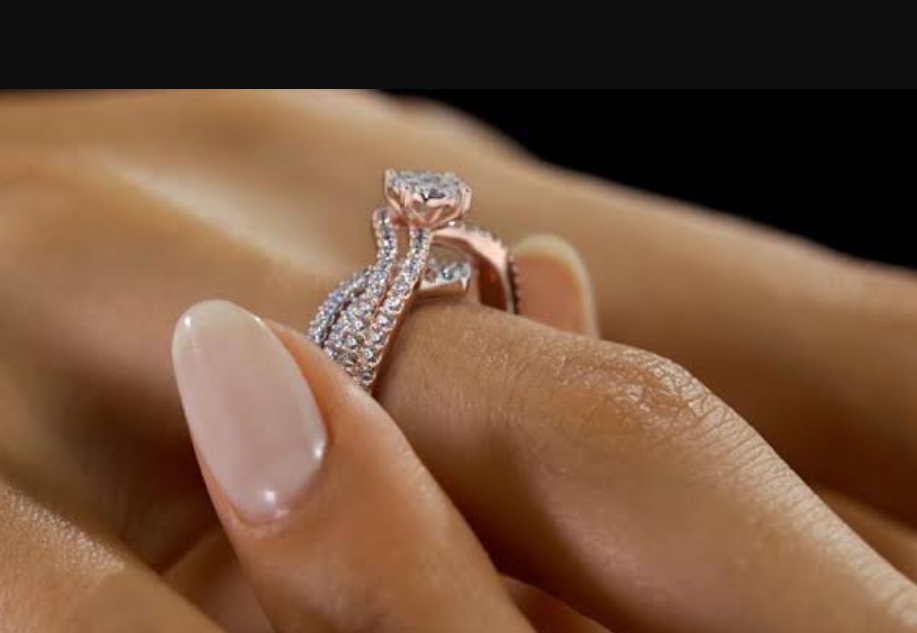
An engagement ring is often chosen with both the heart and the eye. It needs to feel meaningful, beautiful, and personal, but it also needs to be practical enough to wear comfortably in daily life. Among all the details that shape the decision, carat weight is usually one of the first questions people ask. How large should the diamond be? Is one carat enough? Should the ring feel delicate, noticeable, classic, or bold?
Carat weight can influence the presence of an engagement ring, but choosing the right carat is not simply about selecting the largest stone within a budget. A diamond’s weight should work with the wearer’s hand, the ring design, the diamond shape, and the balance of the other 4Cs. A ring that looks impressive in a display tray may feel different when worn every day.
The right diamond carat is the one that suits the person, the setting, and the story behind the ring. It should feel considered rather than chosen only for a number.
Carat Weight Should Match the Wearer, Not Just the Budget
Many engagement ring searches begin with a target carat weight. Some buyers imagine a one-carat diamond because it sounds traditional and familiar. Others may want something larger for stronger presence, while some prefer a more understated size that feels elegant and easy to wear. These preferences are personal, and none of them are wrong.
The important point is that carat weight should match the wearer’s lifestyle and taste. Someone who enjoys minimal jewelry may prefer a smaller diamond with refined proportions. Someone who likes statement pieces may feel more comfortable with a larger center stone. A person who works with their hands often may prefer a lower-profile setting or a carat weight that feels secure and practical.
Hand shape and finger size can also influence how a diamond appears. The same carat weight may look bold on one hand and subtle on another. A 0.70-carat diamond may appear graceful and balanced on a slim finger, while a 1.50-carat diamond may feel more natural on someone who prefers a stronger visual presence.
This is why choosing carat weight should not be treated as a competition. An engagement ring is not only a measured object. It is something worn closely, often every day, and it should feel natural on the person who receives it.
Shape and Setting Can Change How Large a Diamond Looks
Carat weight measures how much a diamond weighs, but it does not fully describe how large the diamond appears. Shape and setting can change the visual impression dramatically. A one-carat round diamond, oval diamond, pear-shaped diamond, and emerald-cut diamond may all carry the same weight, yet each can look different on the hand.
Elongated shapes such as oval, pear, marquise, and emerald cuts often create more length across the finger. This can make the diamond feel larger or more elegant, even when the carat weight is similar to a round stone. Round diamonds are admired for brilliance and symmetry, while cushion cuts often feel soft and romantic. Each shape gives carat weight a different personality.
The setting also matters. A slim band can make the center diamond appear more prominent. A halo setting can create the impression of a larger face-up size by surrounding the center stone with smaller diamonds. A bezel setting may feel modern and secure, but it can slightly change how the diamond’s outline is perceived. Prong settings often allow more light and visibility around the stone, giving the diamond a more open appearance.
For buyers comparing rings, this means the right carat may not be the highest carat. It may be the carat weight that works best with the shape and setting. A thoughtfully designed 0.90-carat ring can sometimes feel more beautiful and wearable than a larger diamond placed in a setting that feels heavy or unbalanced.
Balancing Carat with Cut, Color, and Clarity
Carat is only one part of the 4Cs. It gives the diamond physical presence, but cut, color, and clarity shape how that presence is experienced. For engagement rings, this balance is especially important because the diamond will be viewed often, in different lighting, and from many angles.
Cut quality has a strong effect on sparkle. A well-cut diamond can appear bright, lively, and full of movement. If the cut is weak, a higher carat diamond may look less impressive than expected. This is why buyers should be careful about sacrificing cut quality only to increase carat weight. A slightly smaller diamond with excellent light performance may feel more luxurious than a heavier stone that appears dull.
Color also affects the final look. In white gold or platinum settings, a diamond’s color grade may be more noticeable. In yellow gold or rose gold, a slightly warmer diamond may still look beautiful because the metal complements its tone. Clarity should be considered practically as well. Many diamonds with minor inclusions appear clean to the naked eye, allowing buyers to choose a balanced stone without paying only for the highest technical grade.
For a more thoughtful approach to choosing the right diamond carat weight, buyers should consider how carat works with the full character of the stone rather than treating size as the only priority.
Thinking Beyond the One-Carat Expectation
The one-carat diamond has become a familiar benchmark in engagement rings. It sounds complete, classic, and easy to describe. Because of this, many buyers feel that one carat is the goal. But in real selection, there are many beautiful options just below or above that number.
A diamond weighing 0.90 or 0.95 carat can look very close to a full one-carat stone, especially when well cut and set in a flattering design. Choosing slightly below a popular carat milestone may allow the buyer to invest more in cut quality, color, clarity, or a setting with better craftsmanship. This can create a more balanced ring overall.
On the other hand, choosing above one carat can be meaningful for someone who wants a more noticeable ring. Larger diamonds can be striking, but they should still be evaluated carefully. The stone should not feel too deep, too heavy, or visually unbalanced. A larger carat weight should enhance the ring, not overwhelm it.
The best engagement ring decisions often come from comparing real options rather than relying only on a number. Seeing diamonds side by side helps buyers understand how weight, shape, sparkle, and setting work together. It also helps them recognize when a ring feels right, which is something a certificate alone cannot decide.
Conclusion
Choosing the right diamond carat for an engagement ring is not simply about selecting the largest stone available. Carat weight matters because it shapes the presence of the ring and influences price, but it should be considered alongside comfort, style, proportion, and the other 4Cs. A diamond that feels right on the hand is often more satisfying than one chosen only because the number sounds impressive.
The ideal carat weight depends on the person who will wear the ring. It should match their lifestyle, their sense of beauty, and the way they want the ring to feel in daily life. Shape and setting can change how large a diamond appears, while cut, color, and clarity determine whether the stone looks refined and lively.
A well-chosen engagement ring has balance. The diamond has enough presence to feel special, enough quality to remain beautiful, and enough personal meaning to feel timeless. Carat weight helps define that presence, but it does not create the entire story.
When buyers understand carat as part of a complete design decision, they can choose with more confidence. The ring becomes less about reaching a number and more about finding a diamond that feels elegant, wearable, and deeply connected to the moment it represents.
