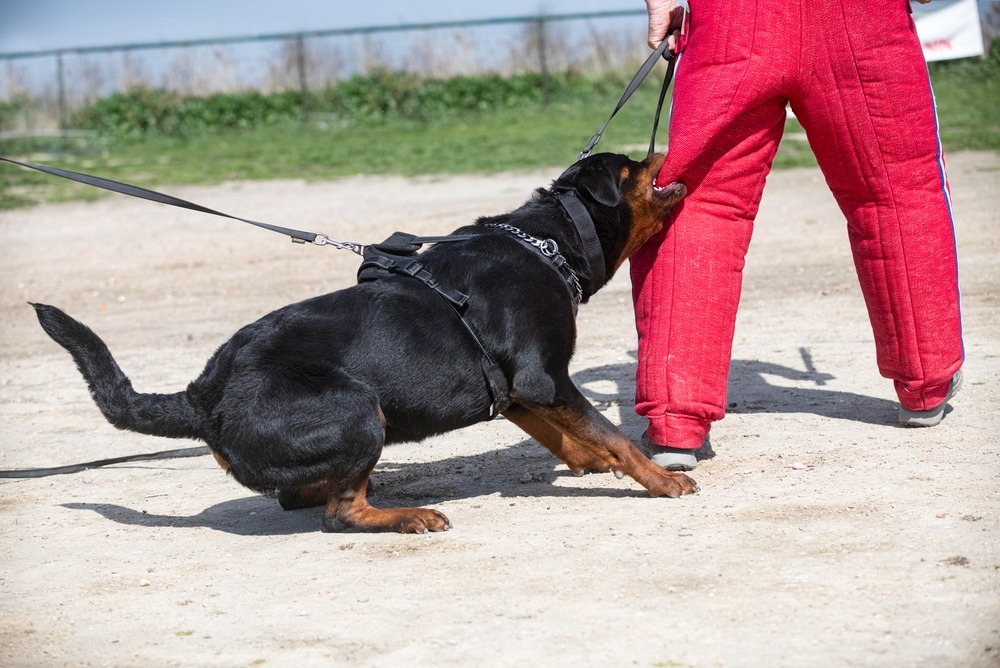
A dog bite claim is built on facts, not just a report. A wound may show that someone was hurt, but it does not always show who should be responsible. Details about the dog, its owner, the property, and events before the bite can all matter.
An attorney for dog bite victims may collect records, check available evidence, and bring those details together. The goal is not to promise a result but to create a factual record. Here is what that process may involve. For readers, those facts can matter.
Start With What Happened Before the Bite
The story starts before the bite. Events leading up to it may show how the encounter happened and who controlled the dog. An attorney may review the location, how the person encountered the animal, and whether the dog was loose, leashed, or restrained.
A gate may have been open, a warning sign may have been posted, or the owner may have given instructions. Putting these facts in order can create a clear account.
Determine Who Controlled the Dog
Dog bite laws differ by state, so responsibility depends on the applicable law and facts. An owner may have certain duties, but another person may also have been caring for or controlling the animal.
An attorney may review leash rules, animal control requirements, property rules, and other duties. This can identify who controlled the dog and which responsibilities may apply. Ownership alone does not settle liability.
Check the Dog’s History
A dog’s past may provide useful information. Earlier complaints or reports may show that concerns about the animal had been raised before.
Possible sources include animal control agencies, police records, property managers, or neighbors. An attorney may look for information about what the owner or handler knew. A prior complaint does not automatically establish liability, but it may become part of the evidence.
Reconstruct the Scene With Evidence
Evidence from the location can support an account of the incident. Photos may show a fence, gate, leash, door, or warning sign. Pictures of injuries can document their appearance.
Security footage may help if it exists. Witness names and contact details can preserve accounts from people who saw what happened. Messages may provide useful details. Keeping information together can prevent evidence from being lost.
Document the Effects of the Bite
Proving that a bite happened is only one part of a claim. Medical records can show emergency care, follow up visits, medication, and treatment. Bills can document medical costs, while employment records may show lost wages.
Recovery photos can record injuries over time. An attorney may organize these materials so the connection between the incident and losses is easier to review.
Look Beyond the Dog Owner
The owner may not be the only person whose role needs review. Depending on the circumstances and applicable law, a property owner, landlord, business, dog handler, caretaker, or another person controlling the animal could be relevant.
A lawyer may examine who controlled the dog and what duties applied. This does not mean another party is responsible. Each role can be considered before liability is assigned.
Handle Insurance and Disputed Facts
Homeowners or renters insurance may be relevant to a dog bite claim. An insurer may request information about the incident, treatment, and losses. An attorney may communicate with the insurer and review available coverage.
Disputes may involve warnings, permission to enter property, the dog’s behavior, or events before the bite. A lawyer may organize evidence to address these points. The result depends on facts and law.
Information to Keep After a Dog Bite
- Photos of injuries and the location
- Medical records and bills
- Names and contact details of witnesses
- Animal control or police reports
- Information about the dog and its owner
- Photos of fences, gates, leashes, or warning signs
- Insurance information
- Messages or other communications about the incident
From Bite to Liability: Connecting the Evidence
A liability claim depends on facts fitting together: what happened, who controlled the dog, what rules applied, what evidence supports the account, and what losses followed.
An attorney may organize these details and identify missing information. Liability must be supported by evidence and determined under applicable law.
Clear Facts Make a Claim Easier to Review
A dog bite claim can involve medical records, witness accounts, animal history, property details, insurance information, and control questions. An attorney may bring these pieces together while examining facts that support or challenge responsibility.
No attorney can guarantee an outcome. A well-organized claim with an attorney for dog bite victims may rest on clear records, reliable evidence, and careful legal analysis. Keeping useful information together can give the claim a clear factual foundation.
