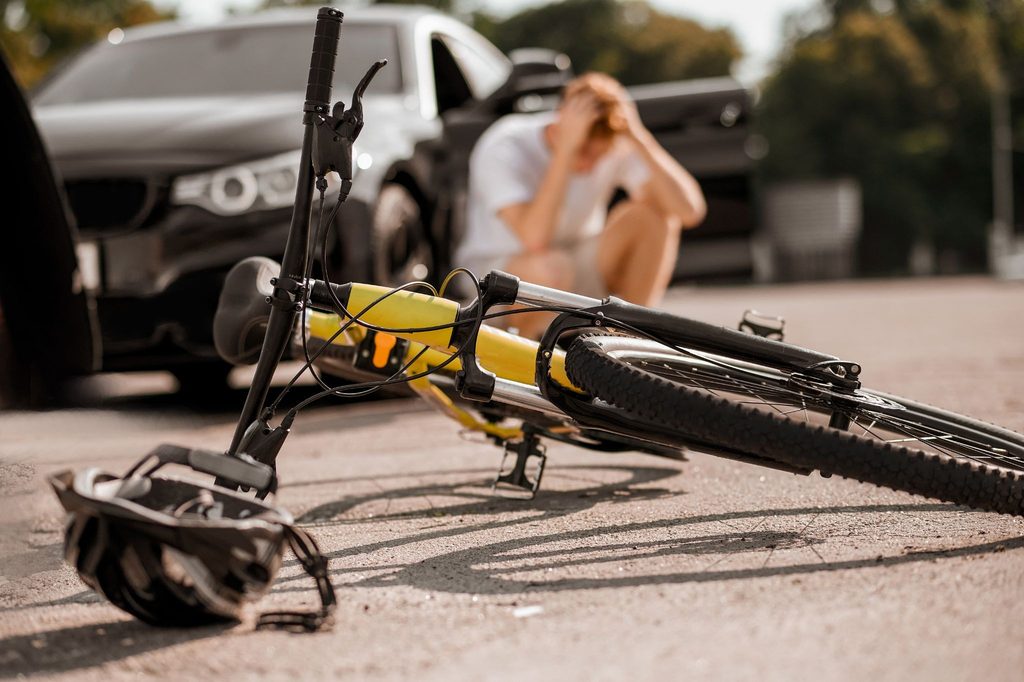
A bicycle crash can leave behind more than a damaged bike and medical bills. It can also leave questions about what happened, who was involved, and what losses followed. Road conditions change, vehicles move, and witnesses may leave before details are recorded. Good evidence can preserve facts that might otherwise become unclear.
Photos, reports, medical records, witness details, and financial documents can each add another part to the story. For anyone pursuing compensation after a bicycle accident, keeping these records organized can make the facts easier to review. Here are the types of evidence that may matter most.
Start With the Accident Scene
The crash scene can contain details. If it is safe, photographs can show the bicycle, vehicles, road surface, traffic signs, signals, debris, and visible damage. Photos may also show where the bicycle and vehicle were positioned after the collision.
Road conditions can change quickly. Scene photographs may preserve details that could otherwise disappear.
Check the Police or Accident Report
A police report can provide a useful starting record. It may contain the date, time, location, driver information, witness details, officer observations, and information about reported traffic violations.
The report is one source of information and may be reviewed alongside other evidence.
Keep Witness Information
A witness may remember details that are not clear from photographs alone, such as vehicle movement, traffic signals, lane position, or events leading to the collision.
If witnesses share their names and contact details, keeping that information with the accident records can be useful. Their accounts may add context to the available evidence.
Look for Photos and Videos
Video can provide a detailed record of what happened. Footage may come from dashcams, traffic cameras, security systems, mobile phones, or helmet cameras.
Some recordings may only be kept for a limited period. Video may show vehicle movement, traffic signals, road conditions, or events before the collision. It can sometimes clarify details that are difficult to establish from written statements.
Medical Records Help Document Injuries
Medical records connect reported injuries with treatment received after a bicycle accident. Emergency room records, doctor notes, diagnostic tests, prescriptions, therapy records, and specialist reports can all provide useful information.
Medical bills also show treatment costs after the crash, so keeping these records together can create a clearer record of care, treatment, and related expenses.
Financial Records Show Other Losses
A bicycle accident can create costs beyond medical care. Financial records may help document expenses linked to the crash, including bicycle repairs, replacement costs, transportation, and missed work.
Useful records may include:
- Medical bills and pharmacy receipts
- Bicycle repair estimates and receipts
- Pay stubs and employment records
- Transportation receipts
- Records of other accident-related expenses
Organized records can help identify losses and connect them to the accident.
Preserve the Bicycle and Other Physical Evidence
The bicycle itself may contain useful information about the collision. Photographs can document broken wheels, damaged frames, bent parts, or other visible problems. Vehicle damage can also be recorded.
Protective equipment and clothing may also provide information. Keeping physical evidence in its original condition can help preserve details.
Digital Records May Add More Detail
Modern devices can create records that help establish timing, location, or movement. Cycling apps, GPS devices, smartwatches, dashcams, and other digital tools may contain information related to a trip.
Phone records may also be relevant. Keeping original files can preserve details that may be lost through editing or screenshots.
Track How the Accident Affected Daily Life
The effects of an accident are not always shown by one medical bill. Records can also show missed work, changes in work ability, transportation needs, and difficulties with ordinary activities.
Notes about appointments, expenses, missed work, and treatment can create a simple record. Employment documents can add information about lost income.
Bring the Evidence Together
No single piece of evidence usually explains every part of a bicycle accident claim. A photograph may show the scene, while a witness explains what they saw. A police report can provide official information, medical records can document injuries, and financial records can show related losses.
A lawyer may review these materials together to identify important facts or disputed details. Evidence depends on the facts of each case.
Keep the Record Clear
Evidence is easier to review when it is organized and preserved. Keep accident reports, photographs, witness details, medical records, bills, employment documents, physical evidence, and digital files together in a safe place.
For anyone pursuing compensation after a bicycle accident, careful record-keeping can help preserve details of the crash and the losses connected to it. Professional review can consider the available evidence as a whole, rather than relying on one document or one version of events.
