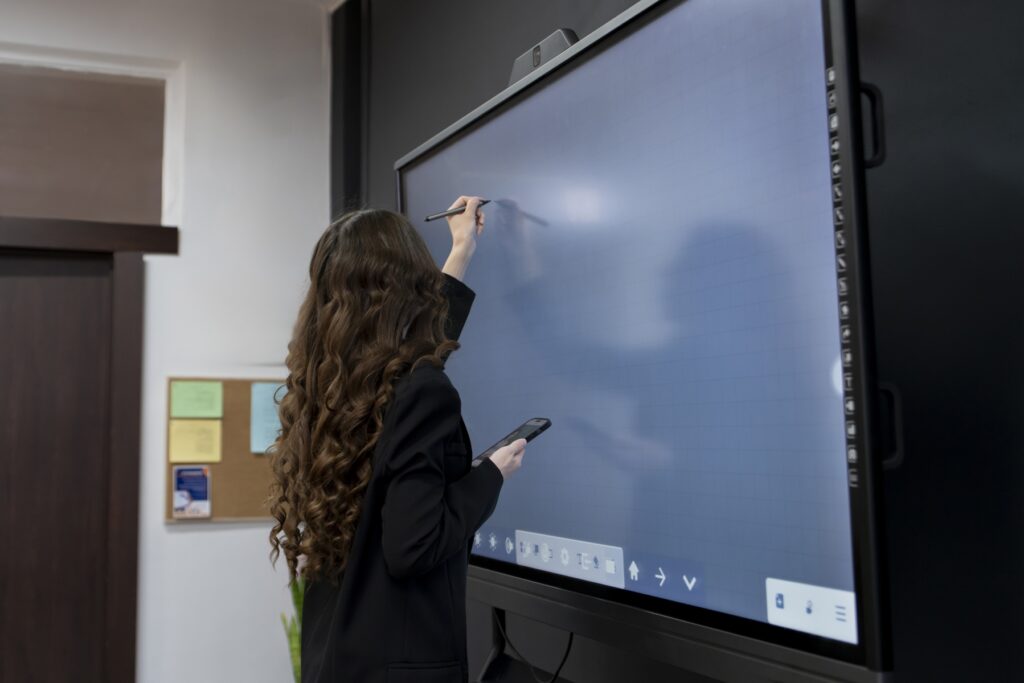
A science lesson today may look very different from a traditional classroom experience. Instead of only reading from textbooks or watching a teacher explain concepts on a board, students can explore digital models, interact with learning materials, and participate in discussions directly on a shared screen.
This change reflects a larger transformation in education. Digital technology is not replacing teachers, but it is changing how knowledge is delivered, explored, and understood.
Among the many tools shaping modern education, interactive displays are becoming an important part of digital classrooms. Their value is not simply providing a larger screen. The real impact comes from helping schools create more engaging, collaborative, and student-centered learning environments.
Moving From Teacher-Centered Lessons to Active Learning
For many years, classroom learning followed a teacher-centered model. Teachers delivered information, students listened, and learning materials were often presented through textbooks, printed resources, or traditional boards.
This approach remains valuable, but modern education increasingly recognizes the importance of active learning. Students learn more effectively when they participate, ask questions, explore ideas, and interact with information.
Interactive displays support this shift by creating a more flexible learning environment. Instead of being limited to static materials, teachers can combine videos, digital resources, visual models, and interactive activities within a single lesson.
For example, during a science class about ecosystems, a teacher can display an interactive model showing how different elements connect. Students can explore the content, identify relationships, and discuss their observations together.
The technology does not replace the teacher’s role. Instead, it gives educators new ways to explain complex topics and encourage deeper understanding.
How Interactive Displays Improve Classroom Engagement
One of the biggest challenges in modern education is maintaining student attention while supporting different learning styles.
Students do not all learn in the same way. Some respond better to visual explanations, while others benefit from discussion, experimentation, or hands-on activities. Digital classroom technology allows teachers to create more diverse learning experiences.
Interactive displays help transform lessons from one-way presentations into collaborative activities. Students can write directly on the screen, solve problems together, and participate in group discussions.
For teachers, this also creates more opportunities to adjust lessons in real time. If students are struggling with a concept, additional examples or visual explanations can be introduced immediately.
This flexibility is especially valuable in blended learning environments, where schools combine traditional classroom teaching with digital resources.
The goal is not simply to introduce more technology into classrooms. The goal is to create learning environments where technology supports better communication, exploration, and understanding.
The Growth of Digital Learning Infrastructure Around the World
As schools continue adopting digital learning methods, investment in education technology infrastructure is increasing globally.
Different regions are developing digital classrooms based on their educational goals, available resources, and technology needs. In Southeast Asia, for example, many schools and educational organizations are exploring solutions that support more connected learning environments.
The development of the Philippine interactive display supply chain reflects a broader movement toward improving digital learning infrastructure in the region. As education systems continue modernizing, schools are looking for technologies that can support interactive teaching and long-term classroom transformation.
This trend shows that digital education is expanding beyond a small number of advanced schools. More institutions are recognizing that technology can help create more accessible and engaging learning experiences.
Beyond Classrooms: Building Connected Learning Ecosystems
The future of education technology will not be limited to individual classrooms. Schools are increasingly becoming connected learning ecosystems where students, teachers, and administrators interact with digital systems.
Interactive technology can support communication beyond lessons themselves. Smart campus solutions, digital information systems, and interactive access points can help improve how students and staff interact with educational environments.
For example, universities and larger educational institutions may use interactive kiosks to provide campus information, support student services, or improve navigation across facilities. The development of solutions such as Interactive Kiosk In China demonstrates how interactive technologies are expanding into broader educational environments.
These developments suggest that future schools will not simply have digital classrooms. They will develop connected spaces where information is easier to access and learning experiences are supported by technology throughout the campus.
The Future of Interactive Learning
The most important change brought by interactive displays is not the replacement of traditional teaching tools. It is the shift toward more flexible and student-focused learning.
Technology alone cannot improve education. The effectiveness of digital classrooms depends on how teachers use these tools to encourage curiosity, collaboration, and deeper understanding.
The future classroom will not be defined by how many digital devices it contains. It will be defined by how effectively technology helps students engage with knowledge.
As education continues evolving, interactive displays will become part of a broader digital learning ecosystem where teachers have more creative teaching possibilities and students have more opportunities to actively participate in their own learning journey.
