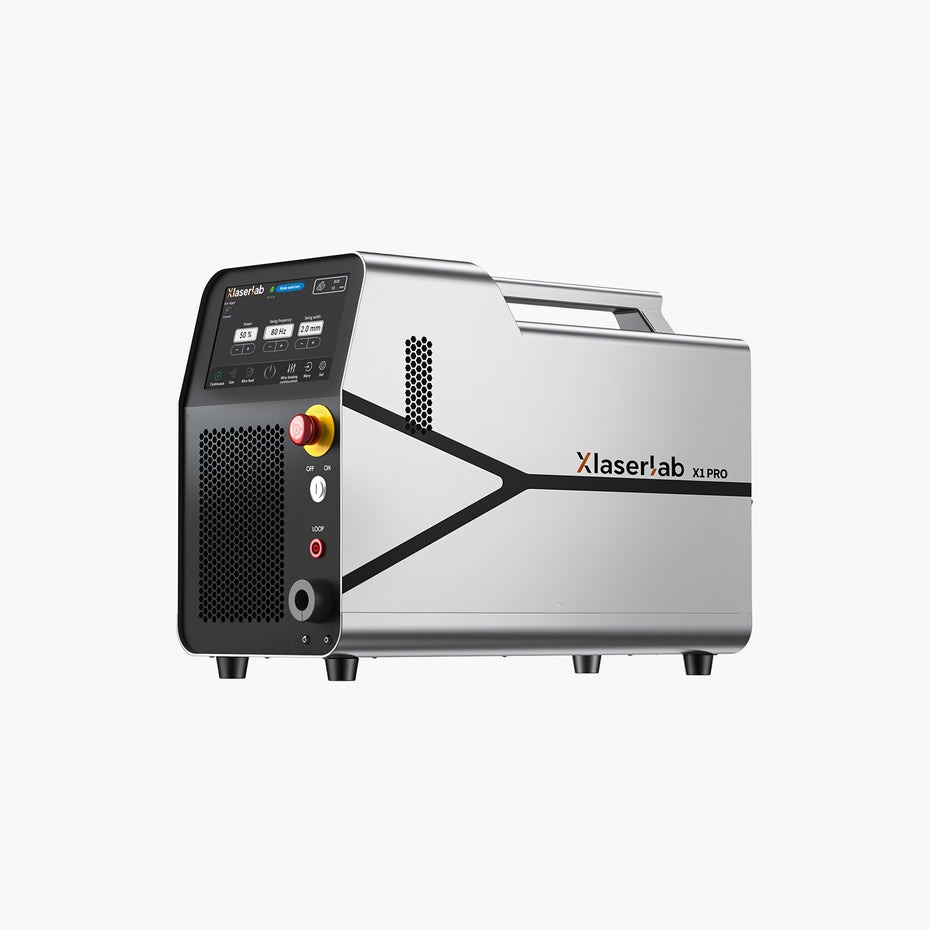
For fabricators who have spent years perfecting a TIG puddle, the idea of putting the torch down feels like abandoning a craft. The reality on today’s shop floor is different. Backlogs are growing, junior welders take months to reach production speed, and thin stainless jobs that used to be a specialty are now everyday work. Laser welding steps into that gap, delivering seam quality that rivals TIG at speeds that used to belong only to MIG. The transition, however, is not a matter of unboxing a machine and pointing it at a joint. Weld preparation, fit-up tolerances, shielding gas behavior, and operator habits all shift. This guide walks through what a working fabricator actually needs to change to move production from TIG to laser welding without compromising the seams that customers already trust.
Why TIG Habits Both Help and Hurt on the Laser
Experienced TIG operators bring an advantage the laser rewards: patience with fit-up and a trained eye for puddle behavior. Where they struggle is with the assumption that more heat and a longer dwell will fix a bad joint. A fiber laser welds by keyhole or conduction mode, both of which fail in unpredictable ways when the gap opens beyond roughly the beam diameter. TIG welders who are used to filling gaps by dabbing wire and slowing down often try the same instinct on the laser and end up with undercut, blow-through, or a seam that porosity tests later reject.
Retraining the Puddle Instinct
The first week of laser work should focus on unlearning heat management. On the laser, output is set once, and control is transferred to travel speed and wobble amplitude. Coach operators to think of the laser more like a pen than a torch: constant pressure, steady rhythm, and small oscillation to widen the seam rather than long pauses to grow it.
Joint Preparation and Fit-Up That the Laser Rewards
Laser welding is intolerant of the gaps and misalignments that TIG can compensate for with a wider tungsten and a slower pass. Most job shops moving from TIG report that up to a third of the transition effort goes into upstream processes: fixture design, laser or waterjet cutting tolerance, and edge deburring standards. The payoff is that once the fit-up discipline is in place, cycle times drop sharply and rework almost disappears.
Practical Fit-Up Targets
A useful starting rule for stainless and mild steel under three millimeters is to keep butt-joint gaps below ten percent of the material thickness. For thin sheet, that often means clamping in a purpose-built fixture rather than tacking by hand. Lap joints are more forgiving and are a good first project when training a former TIG operator, because vertical alignment matters more than gap width.
Shielding Gas, Wire, and Consumables in a Laser Workflow
TIG operators bring a strong intuition for argon coverage, and much of that carries over. What changes is flow strategy. Laser welding uses a coaxial or side-blown shielding nozzle at flow rates that look low compared to a TIG cup, but the coverage window is smaller and travel-speed-sensitive. Argon remains the default for stainless and aluminum, while a mixed argon-helium blend is common on thicker aluminum sections where deeper penetration is needed.
Wire feeding is optional on many laser jobs, and that alone reshapes purchasing. Where a busy TIG cell might consume dozens of pounds of filler per week, a laser cell running autogenous welds on trimmed panels may go weeks between wire spools. Where wire is used, feed accuracy matters more than it did on TIG. A wobble amplitude of a few tenths of a millimeter leaves no room for a wire that wanders off the seam.
Setting Realistic Quality Benchmarks During the Transition
A common transition mistake is comparing early laser welds to the shop’s best TIG output and concluding the laser is inferior. The right benchmark is a production sample, not a showpiece. During the first month, focus on repeatability across a shift, seam appearance after passivation or brushing, and destructive test results on representative coupons. Machines from suppliers such as Xlaserlab typically ship with parameter libraries for common stainless, carbon steel, and aluminum grades, and those libraries are a faster starting point than tuning from scratch.
Documenting Parameters as Living Recipes
Treat each accepted parameter set as a recipe that lives with the part number, not with the operator. Record power, travel speed, wobble pattern, gas flow, focus position, and stand-off distance for every production seam. A shop that captures this data during the pilot phase avoids the classic problem of a strong first operator leaving and taking the settings with them.
Training and Certification Gaps to Close Early
Most welding codes still reference TIG, MIG, and stick procedures, and formal laser welding certification is uneven by region and industry. That does not remove the responsibility to qualify procedures. Run a written weld procedure specification for each material and thickness the shop plans to produce, and hold operators to a coupon-based qualification before they touch production parts. This is especially important for pressure vessel, food-grade, and structural work where customers may audit the process even without a code stamp requiring it.
Making the Transition Stick
Moving from TIG to laser is less about buying a faster tool and more about tightening every upstream and downstream step around a new heat source. Shops that invest in fit-up discipline, parameter documentation, and structured operator training usually recover the machine cost within the first year and hold onto their reputation for clean seams. The craft that experienced TIG welders bring does not disappear on the laser; it moves upstream into fixture design and process control, where it quietly delivers the quality that customers already expect from the shop.
