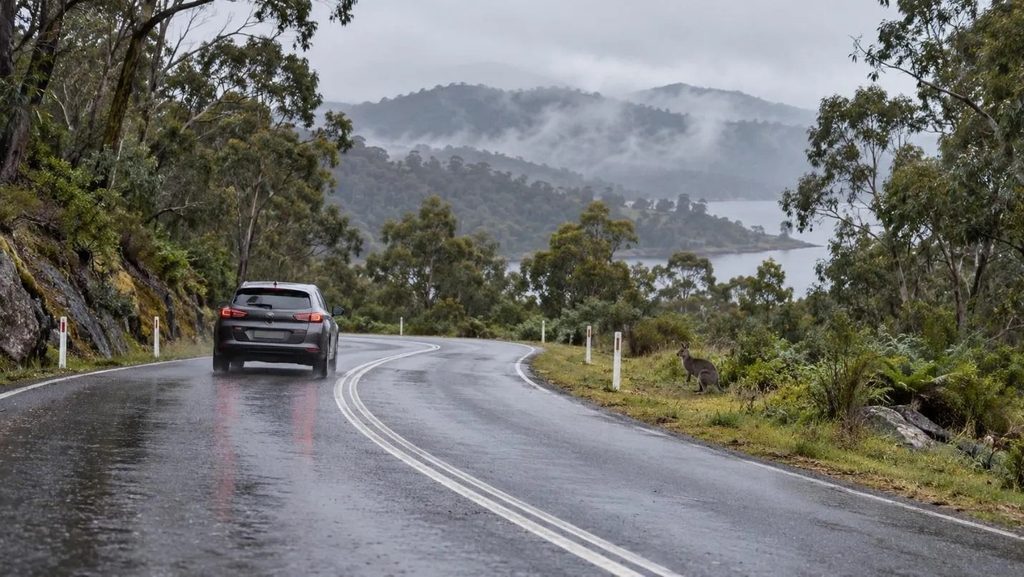
Tasmania offers some of Australia’s most scenic driving routes, but its roads also present conditions that demand careful attention. Winding highways, remote stretches, unpredictable weather and wildlife activity can turn an ordinary journey into a challenging one.
Many serious incidents do not result from a single cause. They develop when factors such as speed, fatigue, poor visibility and unfamiliar roads combine. Understanding the most common hazards can help motorists make safer decisions before and during every journey.
Speed That Does Not Match the Conditions
A posted speed limit indicates the maximum legal speed under suitable conditions. It does not guarantee that travelling at that speed is always safe.
Tasmanian drivers regularly encounter sharp bends, narrow lanes, steep gradients and sections where visibility is limited. Rain, frost, loose gravel and roadside debris can further reduce traction. On these roads, slowing down before entering a bend is safer than braking heavily while turning.
Drivers should also leave more space between vehicles when the surface is wet or visibility is poor. Additional distance provides more time to react if traffic suddenly slows, an animal enters the road or another hazard appears.
What Road Safety Data Can Tell Drivers
Crash data provides more than a record of past incidents. It can reveal recurring patterns, identify vulnerable road users and show how factors such as speed, distraction and road conditions contribute to serious outcomes.
Reviewing recent Tasmania road accident statistics can give motorists a clearer understanding of the risks present across the state. This information is particularly useful when preparing for regional travel or driving on unfamiliar roads.
Organisations such as Tasmania Police and the Department of State Growth also publish road safety information and advice. Drivers can use these resources to check current conditions and better understand the behaviours that contribute to crashes.
Fatigue on Long and Regional Journeys
Fatigue can affect judgement, concentration and reaction time well before a driver falls asleep. This makes it one of the most difficult road safety risks to recognise.
Long stretches of road, limited visual stimulation and travel during normal sleeping hours can all increase tiredness. Warning signs include frequent yawning, difficulty remembering the previous few kilometres, drifting within the lane and missing road signs.
Opening a window or turning up the music is not a reliable solution. Drivers who notice signs of fatigue should stop somewhere safe and rest. Planning regular breaks before departure is particularly important when travelling through regional areas where suitable stopping points may be widely separated.
Wildlife and Livestock Near the Road
Wildlife is a familiar hazard on many Tasmanian roads, especially around dawn, dusk and at night. Animals can emerge with little warning, while livestock may also enter the roadway in rural areas.
Drivers should reduce their speed in signed wildlife zones and scan the road edges as well as the lane ahead. High-beam headlights can improve visibility where permitted, but motorists must dip them when approaching other vehicles.
If an animal appears, controlled braking is generally safer than making a sudden turn that could send the vehicle into another lane, a tree or a roadside barrier. Drivers should prioritise maintaining control of the vehicle and avoiding danger to other road users.
Rapid Weather Changes and Poor Visibility
Tasmanian weather can change quickly, and conditions may differ significantly between coastal, rural and elevated areas. Rain, fog, frost and strong winds can all affect how a vehicle handles.
Heavy rain reduces visibility and increases the risk of losing traction. Fog can make bends, intersections and stopped traffic difficult to see. Frost may create slippery surfaces that are not immediately obvious, particularly on shaded sections of road and bridges.
When conditions deteriorate, drivers should switch on appropriate lights, reduce speed and increase their following distance. Sudden acceleration, braking or steering should be avoided where traction may be limited.
Distraction and Inattention
A driver can travel a considerable distance during only a few seconds of inattention. On winding or unfamiliar roads, that may be enough to miss a sharp bend, an animal or a vehicle braking ahead.
Mobile phones are an obvious source of distraction, but they are not the only one. Navigation systems, passengers, food and adjustments to in-car controls can also divert attention from the road.
Drivers should set their route, music and vehicle controls before departing. If something requires more than a quick glance, the safest approach is to stop in a suitable location before dealing with it.
Unfamiliar Roads and Tourist Traffic
Visitors may underestimate travel times because a route appears short on a map. In practice, bends, gradients, changing limits and slower regional sections can make a journey more demanding than expected.
Unfamiliar drivers may brake suddenly, hesitate at intersections or drift toward the centre line while concentrating on navigation. Local motorists should allow extra space and avoid assuming that another driver knows the road.
Visitors can reduce their risk by reviewing the route beforehand, allowing additional travel time and avoiding an overly ambitious itinerary. Arriving later is preferable to rushing along an unfamiliar road.
Vehicle Problems in Remote Areas
A mechanical problem that would be a minor inconvenience in a town can become a serious safety issue on an isolated road. Worn tyres, weak batteries, overheating, brake faults and insufficient fuel are among the problems that can leave a vehicle stranded.
Basic checks before a longer journey should include tyre condition and pressure, fluid levels, lights, brakes and fuel. Drivers should also carry a charged mobile phone, water and suitable clothing, particularly when travelling through areas with limited services.
Based on years of assisting motorists after breakdowns and collisions, Underground Towing & Salvage has observed that the location of a disabled vehicle can be as important as the original fault. A breakdown near a blind bend, narrow shoulder or fast-moving traffic requires an especially cautious response.
Preparing for Tasmania’s Road Conditions
According to Joshua Harrison, Founder of Underground Towing & Salvage, drivers should prepare for Tasmanian roads based on the conditions they may encounter rather than relying only on the expected travel time. Winding routes, wildlife activity and sudden weather changes can quickly alter a routine journey. Checking the vehicle, slowing down when visibility or grip deteriorates, and knowing what to do after a breakdown can significantly reduce roadside risk.
Preparation does not remove every hazard, but it gives drivers more options when conditions change. A well-maintained vehicle, realistic schedule and clear emergency plan can prevent a minor problem from escalating.
What to Do After a Crash or Breakdown
The first priority after an incident is protecting everyone at the scene. If possible and safe, move the vehicle away from active traffic and switch on the hazard lights. Drivers and passengers should avoid standing on the roadway or between vehicles.
Emergency services should be contacted when someone is injured, a vehicle is creating an immediate danger or the road is obstructed. Motorists should provide a clear description of their location, including the road name, direction of travel and nearby landmarks where possible.
A damaged vehicle should not be driven if its steering, brakes, tyres, lights or structural safety may have been affected. Professional towing or recovery assistance may be necessary to remove it without creating additional risk.
Safer Driving Begins Before the Journey
Tasmania’s road safety risks are varied, but many can be managed through preparation and sound decisions. Driving at a speed appropriate for the conditions, resting before long journeys, watching for wildlife and maintaining the vehicle all reduce the likelihood of an incident.
Conditions can change quickly, particularly on rural and unfamiliar routes. Drivers who remain alert, allow extra time and have a plan for emergencies will be better equipped to protect themselves, their passengers and everyone else using the road.
