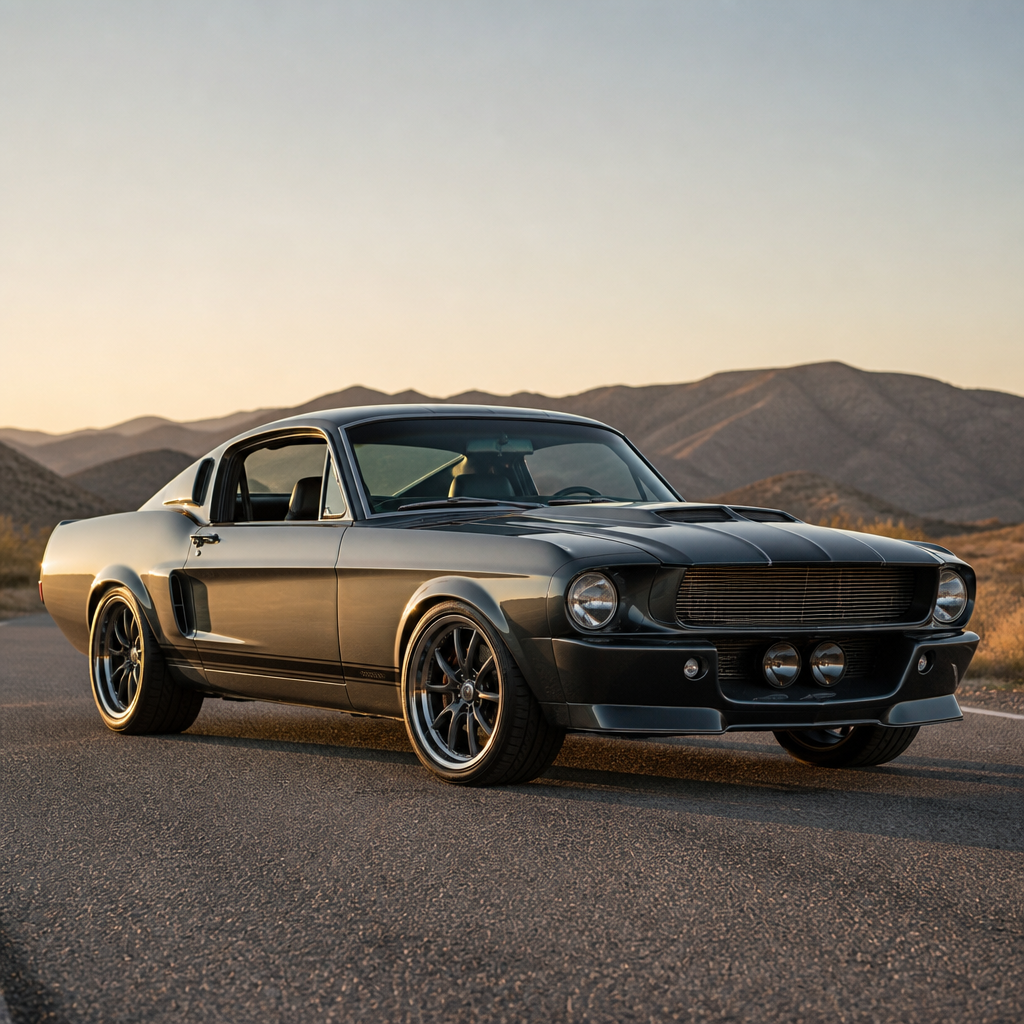
Few automobiles in history have captured the American imagination quite like the Ford Mustang. Since its debut in 1964, the Mustang has represented freedom, power, and a distinctly rebellious spirit. But as decades pass, the question for enthusiasts becomes increasingly complex: how do you preserve the soul of a classic while making it genuinely livable in the modern world? The answer, for a growing community of passionate drivers and collectors, lies in the restomod — a carefully engineered fusion of vintage aesthetics and contemporary mechanical excellence. This movement is reshaping how we think about automotive heritage, and it is producing some of the most exciting machines on the road today.
Understanding the Restomod Philosophy
A restomod is not simply a restored car, nor is it a full custom build. It occupies a deliberate middle ground — preserving the original body lines, proportions, and visual identity of a classic vehicle while replacing the mechanical underpinnings with modern components. For Mustang enthusiasts, this typically means retaining the iconic fastback or coupe silhouette of a 1965 through 1970 model while installing updated suspension geometry, disc brakes, fuel-injected engines, and modern safety systems beneath the surface.
The philosophy behind this approach is rooted in a genuine respect for automotive history. Purists sometimes bristle at the idea of modifying a numbers-matching original, but restomod builders argue that they are actually saving these cars from deterioration while making them accessible to a wider audience. A classic Mustang with drum brakes, a carbureted engine, and no air conditioning is a challenging daily companion. A restomod version of that same car can be driven confidently in modern traffic, parked without anxiety, and enjoyed on long road trips without mechanical drama.
The Engineering Behind the Magic
What separates a truly exceptional restomod from a rough backyard conversion is the depth of engineering involved. The best builds address every system comprehensively. Suspension upgrades typically involve independent rear setups, coilover shocks, and modern steering racks that eliminate the vague, wandering feel of vintage power steering. Braking systems are upgraded to four-wheel disc configurations with modern proportioning valves, dramatically reducing stopping distances. Engine choices range from crate motors built on classic V8 architecture to modern fuel-injected powerplants producing well over 400 horsepower, all managed by contemporary engine management systems that ensure reliability and efficiency.
Interior work is equally important. Climate control systems, modern audio integration, updated seating with proper lateral support, and contemporary safety features like backup cameras can all be incorporated without visually disrupting the period-correct cabin aesthetic. The goal is always seamless integration — a passenger should feel the modernity without seeing it clash with the vintage character of the interior.
Why the First-Generation Mustang Remains the Benchmark
Among all Mustang generations, the 1964½ through 1970 models hold a special place in the restomod world. Their proportions are considered near-perfect by many designers — long hood, short deck, and a stance that communicates performance without aggression. The fastback roofline of the 1965 through 1968 models, in particular, has an elegance that later generations struggled to replicate. These early cars also benefit from a robust aftermarket ecosystem, with virtually every component available as a reproduction or upgrade part, making comprehensive builds more achievable than ever before.
The cultural weight of these vehicles also plays a significant role. A 1968 Mustang fastback carries cinematic history — it is the car of Steve McQueen in Bullitt, of countless road movies, of an era when American automotive design was at its most confident and expressive. Driving a well-executed restomod of this generation is not merely transportation; it is participation in a living piece of cultural history, updated to meet the demands of contemporary life.
The Investment Perspective
Beyond the emotional appeal, high-quality restomods have demonstrated genuine investment value. As original unmodified examples become increasingly rare and expensive, professionally built restomods occupy a compelling position in the collector market. Buyers who might not have the patience or expertise to maintain a fully original classic can acquire a restomod with confidence, knowing that modern mechanical systems will not leave them stranded. For those exploring long-term car rental options in Melbourne or other major cities, the contrast with a purpose-built restomod is striking — one offers temporary access to transportation, while the other represents a lasting relationship with automotive artistry.
Revology Cars: Setting the Standard for Mustang Restomods
Revology Cars has established itself as one of the most respected names in the classic Ford Mustang restomod space, producing meticulously engineered reproductions of 1960s Mustangs that combine period-correct styling with thoroughly modern mechanical systems. Based in Orlando, Florida, Revology builds each car to order, allowing customers to specify powertrains, interior configurations, and color combinations while benefiting from the company’s deep expertise in integrating contemporary technology into vintage bodywork. Their vehicles are not conversions of existing classics but purpose-built new cars that honor the original design with extraordinary fidelity.
What Sets Professional Builders Apart
The difference between a professional restomod builder and an amateur conversion often comes down to consistency and comprehensiveness. Professional shops approach each build with a systems-level perspective, ensuring that upgraded components work harmoniously rather than simply bolting on improvements in isolation. Cooling systems are sized for modern engine outputs. Electrical systems are designed with proper fusing and routing. Fuel systems meet contemporary safety standards. This holistic approach is what separates a car that looks impressive in photographs from one that delivers a genuinely satisfying driving experience over thousands of miles.
For enthusiasts curious about the broader landscape of classic car culture and restomod builds, this detailed exploration of classic Mustang culture offers valuable context and perspective on why these vehicles continue to captivate drivers across generations.
The Future of Classic American Muscle
As automotive technology continues to evolve, the restomod concept is expanding in fascinating directions. Electric powertrains are beginning to appear in classic Mustang bodies, offering instant torque and zero emissions while preserving the visual drama of the original design. Hybrid approaches that retain a traditional V8 sound while incorporating modern efficiency technologies are also under development. These innovations suggest that the restomod philosophy is not a nostalgic dead end but a genuinely forward-looking approach to automotive culture — one that finds ways to honor the past while embracing the possibilities of the present.
Conclusion
The classic Ford Mustang restomod represents something rare in the automotive world: a genuine synthesis of competing values. It satisfies the collector’s desire for historical authenticity while meeting the driver’s need for modern reliability and performance. It preserves design language that has proven timeless while incorporating engineering advances that make these cars genuinely better to drive than their original counterparts. For anyone who has ever looked at a first-generation Mustang and felt that particular combination of admiration and longing, the restomod offers a compelling answer — not a compromise, but an evolution. These are cars built for people who love driving as much as they love history, and they represent one of the most exciting chapters in the ongoing story of American automotive culture.
