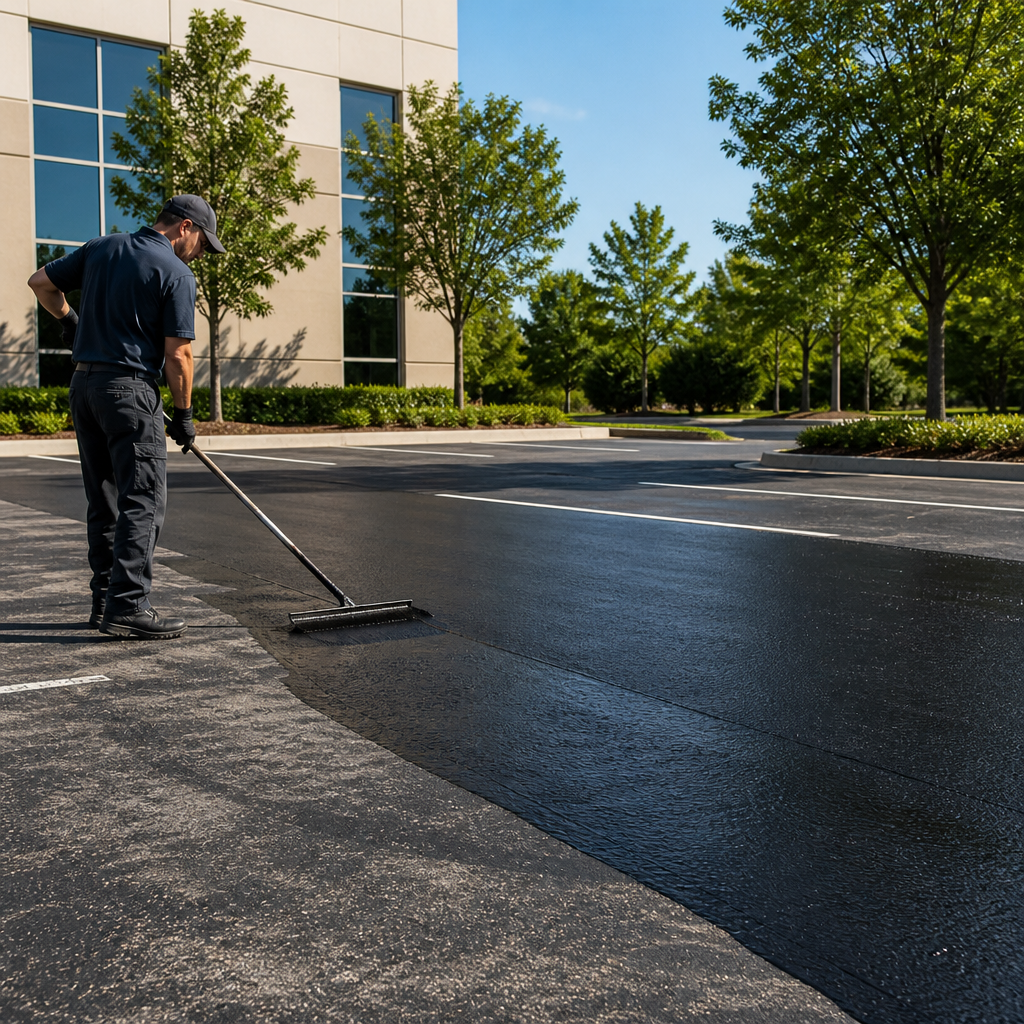
Why Pavement Protection Should Be a Priority for Property Owners
Asphalt is one of the most widely used materials in commercial and residential paving, and for good reason. It is durable, cost-effective, and relatively easy to install. However, asphalt is not immune to the relentless forces of nature. UV radiation, water infiltration, freeze-thaw cycles, and the constant weight of vehicle traffic all conspire to degrade pavement over time. Without a proactive maintenance strategy, even a well-installed parking lot can begin showing signs of wear within just a few years. Cracks form, surfaces oxidize, and structural integrity weakens — all of which lead to costly repairs or full replacement. The most effective and affordable way to combat this deterioration is through a consistent sealcoating program that shields the surface from the elements and extends the life of the pavement significantly.
Understanding What Sealcoating Actually Does
Sealcoating is not simply a cosmetic treatment, though it does restore the rich, dark appearance of fresh asphalt. At its core, sealcoating is a protective barrier applied over the surface of existing pavement. The sealant — typically a coal tar or asphalt emulsion-based product — fills minor surface voids, repels water, and blocks the oxidizing effects of sunlight. When applied correctly, it creates a flexible membrane that moves with the pavement through seasonal temperature changes rather than cracking under stress. This flexibility is one of the key reasons sealcoating is so effective in climates that experience harsh winters or intense summer heat. Beyond protection, sealcoating also makes surfaces easier to clean and maintain, reducing the accumulation of oil, grease, and debris that can further degrade pavement over time.
The Role of Surface Preparation in Sealcoating Success
No sealcoating application will perform well on a poorly prepared surface. Before any sealant is applied, the pavement must be thoroughly cleaned to remove dirt, oil stains, vegetation, and loose debris. Existing cracks must be filled and allowed to cure, and any areas showing signs of structural failure — such as alligator cracking or significant depressions — should be repaired or patched beforehand. Skipping these preparatory steps is one of the most common mistakes property owners make, and it results in premature sealcoat failure. Proper surface preparation is not optional; it is the foundation upon which a successful sealcoating job is built. Professional contractors understand this and invest significant time in preparation before a single drop of sealant is applied.
The Step-by-Step Process Behind a Professional Application
Understanding the full scope of a professional sealcoating job helps property owners make informed decisions and set realistic expectations. The process begins with a thorough inspection of the pavement to identify problem areas. Crews then clean the surface using blowers, brooms, and sometimes pressure washers to ensure a clean bonding surface. Cracks are filled with hot or cold pour crack filler, and oil spots are treated with a primer to improve adhesion. Once the surface is prepared, the sealcoat is mixed according to manufacturer specifications — often with additives to improve performance — and applied in two coats using either a squeegee, brush, or spray system. Each coat must dry fully before the next is applied, and the finished surface must cure for a minimum of 24 to 48 hours before it is reopened to traffic. For a detailed breakdown of this process, Parking Lot Sealcoating professionals at Asphalt Coatings Company provide an in-depth look at each phase of the application, helping property owners understand exactly what to expect from start to finish.
How Often Should Parking Lots Be Sealcoated?
The frequency of sealcoating depends on several factors, including traffic volume, climate, and the age of the pavement. As a general rule, most commercial parking lots benefit from sealcoating every two to three years. High-traffic areas may require more frequent applications, while lower-traffic surfaces might extend the interval slightly. The key is not to wait until the pavement shows visible signs of distress. Sealcoating is most effective as a preventive measure, not a corrective one. Property managers who establish a regular maintenance schedule — including periodic inspections, crack filling, and timely sealcoating — consistently report lower long-term maintenance costs and longer pavement lifespans compared to those who take a reactive approach.
How Paver Installation Complements Sealcoating Programs
While sealcoating is essential for maintaining asphalt surfaces, some property owners choose to incorporate decorative or functional paver elements into their parking areas and driveways. Pavers offer a distinct aesthetic and can be used to define pedestrian walkways, entrance areas, or decorative borders within an otherwise asphalt-dominated space. Understanding how paver installation services support overall pavement design can help property owners create a cohesive, durable, and visually appealing outdoor environment. When pavers and asphalt are used together thoughtfully, the result is a surface that balances practicality with curb appeal — and both elements benefit from regular maintenance to preserve their appearance and structural integrity.
Choosing the Right Sealant Product for Your Pavement
Not all sealcoat products are created equal, and selecting the right formulation for your specific application is critical to achieving lasting results. Coal tar emulsion sealers have long been the industry standard for commercial applications due to their superior resistance to fuel and chemical spills. Asphalt emulsion sealers, on the other hand, are more environmentally friendly and are increasingly preferred in regions where coal tar products are restricted. Acrylic sealers offer excellent UV resistance and are often used in warmer climates. For property owners researching their options, consulting a comprehensive resource on the best driveway sealer products available can provide valuable insight into the performance characteristics of different formulations and help guide purchasing decisions for both residential and commercial applications.
About Asphalt Coatings Company
Asphalt Coatings Company is a trusted name in the pavement maintenance industry, offering professional sealcoating, crack filling, and line striping services for commercial and residential clients. With years of hands-on experience and a commitment to using high-quality materials, the company has built a reputation for delivering durable, long-lasting results. Their team of trained technicians approaches every project with meticulous attention to detail — from surface preparation through final application — ensuring that each job meets the highest standards of quality. Whether you manage a small parking lot or a large commercial facility, Asphalt Coatings Company has the expertise and equipment to protect your pavement investment and keep your property looking its best year after year.
Conclusion: Invest in Maintenance Before You Need Repairs
The economics of pavement maintenance are straightforward: a dollar spent on sealcoating today can save many dollars in repairs or replacement tomorrow. Asphalt is a significant capital investment, and protecting it through regular sealcoating is one of the smartest decisions a property owner can make. By understanding the process, selecting the right products, and working with experienced professionals, you can dramatically extend the life of your pavement while maintaining a clean, professional appearance that reflects well on your property. Do not wait for cracks to widen or surfaces to crumble before taking action — a proactive maintenance plan is always the most cost-effective path forward.
