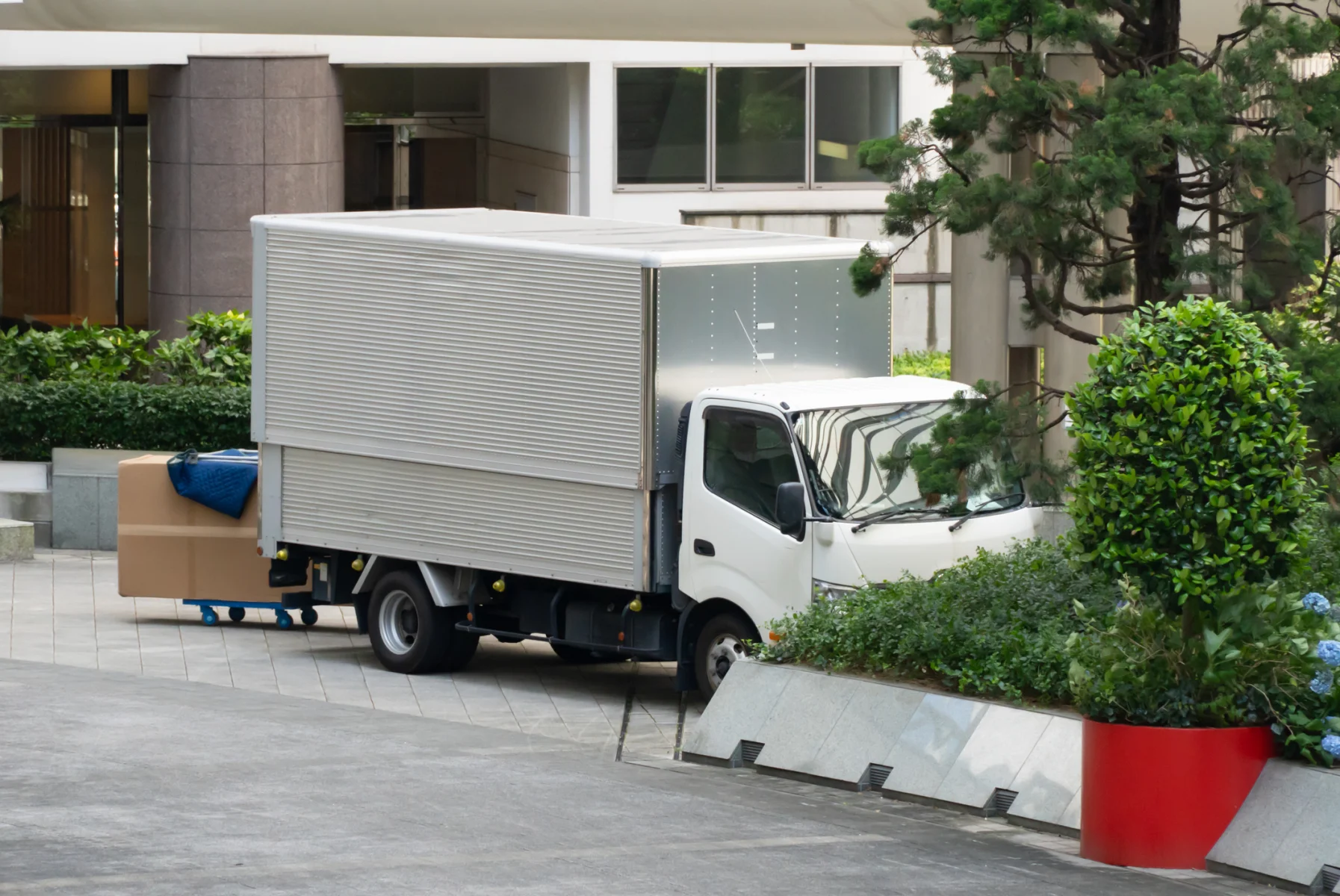
Relocating an office is an opportunity to improve workspace efficiency, support future growth, and create an environment that better serves employees and clients. At the same time, moving an office presents logistical challenges that can interrupt daily operations if the project is not carefully managed. One of the biggest concerns for business leaders is maintaining productivity while completing a successful furniture relocation. Every hour spent away from normal operations can affect customer service, employee performance, and revenue.
Planning ahead and working with experienced furniture installers can significantly reduce interruptions throughout the moving process. A well-organized relocation allows businesses to resume normal operations more quickly while protecting valuable office assets. Companies preparing for projects in Indianapolis, IN, can benefit from strategies that prioritize efficiency before, during, and after the move.
Develop a Detailed Relocation Plan
Successful office moves begin with careful planning. Before moving any furniture, businesses should evaluate the new office layout, establish realistic project timelines, and identify responsibilities for everyone involved. A detailed relocation plan helps eliminate confusion and ensures every stage of the move proceeds in an organized manner.
Planning also provides an opportunity to identify furniture to be relocated, reconfigured, replaced, or placed in storage. Addressing these decisions before moving day prevents unnecessary delays and allows installation teams to work more efficiently once furniture arrives at the new location.
Schedule the Move Around Business Operations
One of the most effective ways to minimize downtime is scheduling the relocation during periods of reduced business activity. Many companies choose evenings, weekends, or holiday periods when fewer employees are working, and customer demand is lower.
A phased relocation can also help businesses remain operational throughout the project. Departments may be moved in stages instead of relocating the entire office at once. This approach allows critical functions to continue while work progresses in other areas of the building.
Carefully coordinating schedules with moving teams and facility managers helps keep the project on track while limiting disruptions to daily operations.
Prepare the New Office Before Furniture Arrives
Complete Building Improvements First
The new workspace should be ready before furniture is delivered. Flooring, painting, electrical work, network installation, and other construction activities should be completed so furniture can be installed without interference.
When the space is fully prepared, installation crews can work efficiently without waiting for other trades to finish.
Confirm Furniture Placement
Final floor plans should be reviewed and approved before relocation begins. Knowing exactly where workstations, conference tables, storage cabinets, and collaborative furniture will be placed allows installers to position each item correctly the first time.
Accurate planning reduces the need to move furniture repeatedly after installation, saving both time and labor.
Work With Experienced Furniture Installers
Professional furniture installers understand how to manage commercial relocation projects efficiently. Their experience with modular workstations, executive offices, conference rooms, and specialized furniture systems enables them to complete installations in accordance with manufacturer specifications while maintaining organized workflows.
Experienced installation teams also coordinate furniture assembly, workstation placement, leveling, and final adjustments as part of a structured process. This organized approach reduces delays and allows businesses to occupy their new workspaces sooner.
Professional installers also identify potential challenges before they escalate, helping projects stay on schedule throughout.
Maintain Clear Communication Throughout the Project
Communication is one of the most valuable tools during any office relocation. Employees should understand project timelines, temporary work arrangements, and expectations throughout the move. Vendors, building managers, and relocation teams should also remain informed about schedules and site access requirements.
Regular communication helps identify potential scheduling conflicts before they affect the project. When everyone understands the plan, relocation activities tend to proceed more efficiently while reducing unnecessary interruptions.
Clear communication also provides employees with confidence as they prepare to move into their new workspace.
Focus on Returning Employees to Work Quickly
The ultimate goal of every office move is restoring business operations as efficiently as possible. Organized planning, experienced installation professionals, and careful coordination all help reduce downtime while maintaining the quality of the finished workspace.
Rather than viewing relocation as a disruption, businesses can use the opportunity to improve office layouts, enhance collaboration, and create work environments that better support future growth. A professionally managed relocation helps organizations return to normal operations with minimal interruption while protecting valuable furniture investments.
Frequently Asked Questions
How can businesses reduce downtime during a furniture relocation?
Careful planning, phased scheduling, preparing the new office in advance, and hiring experienced professionals all help minimize disruptions during a relocation.
Why should businesses hire professional furniture installers?
Professional furniture installers have the experience, tools, and knowledge to complete commercial relocations efficiently while protecting valuable office furniture.
When should office furniture be relocated?
Many businesses schedule furniture relocation during evenings, weekends, or other periods of reduced activity to minimize interruptions to normal operations.
What should businesses do before relocating office furniture?
Businesses should finalize floor plans, complete construction work, coordinate deliveries, communicate with employees, and confirm installation schedules before moving begins.
Reducing downtime during an office move requires preparation, organization, and experienced professionals who understand commercial relocation projects. By planning carefully and partnering with qualified furniture installers, businesses can complete a furniture relocation efficiently while maintaining productivity and protecting valuable assets. These strategies help organizations throughout Indianapolis, IN, return to normal operations with confidence and a workspace designed for future success.
For professional commercial relocation services, visit Quality Installers. Their experienced team provides nationwide furniture relocation, installation, reconfiguration, and warranty repair services, helping businesses complete office projects efficiently, safely, and with exceptional attention to detail.
